

Trump Reports ‘Energy Ceasefire’ Between Russia and Ukraine; Zelensky Dismisses Claim

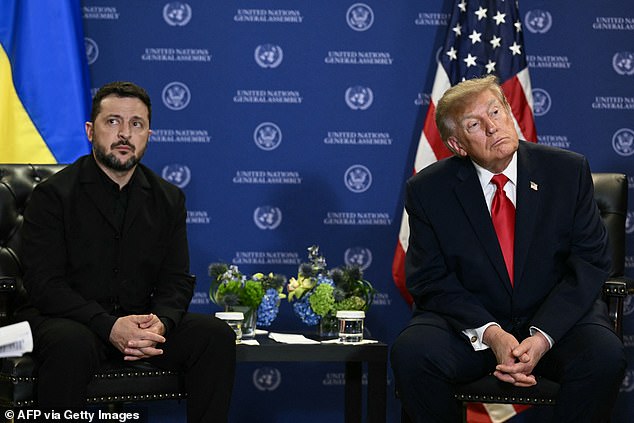
Donald Trump has recently asserted that Russia and Ukraine have come to an agreement on an “energy ceasefire.” This claim has been met with skepticism, particularly from Ukrainian President Volodymyr Zelensky, who stated he had no knowledge of such an accord.
Posting on his platform, Truth Social, Trump stated, “Effective immediately, there is an ENERGY CEASEFIRE in the War between Russia and Ukraine. Both parties have agreed. Do not break it! Thank you for your attention to this matter. President DONALD J. TRUMP.”
In contrast, President Zelensky mentioned that the announcement was surprising to him but indicated a willingness to discuss a ceasefire if Russia was indeed in agreement. He expressed readiness to hold elections following a complete two-month ceasefire.
Since the inception of the conflict in 2022, Russian assaults on Ukraine’s energy infrastructure have severely weakened its output capacity, reducing it to approximately one-third of its pre-war levels.
At the same time, Ukraine has escalated its strikes against Russian oil installations, a move that has contributed to the rising global energy prices.
On Friday, Trump claimed that President Vladimir Putin had consented to release 300,000 tonnes of diesel immediately to global markets, emphasizing the need to gain support ahead of the upcoming U.S. midterm elections amid soaring fuel costs. An additional 500,000 tonnes is expected to be released in November, followed by a million tonnes thereafter. Zelensky criticized this arrangement as a “gift” to Putin.
Following Trump’s announcement of the energy ceasefire, Zelensky countered that Russian attacks using drones had proliferated in Ukraine’s airspace, and numerous strikes on energy facilities had occurred over the past week.
Zelensky detailed that Russia had conducted over 200 strikes against Ukraine’s electricity generation and transmission networks and an additional 17 focused on gas and oil sites, resulting in significant casualties among civilians.
While Ukrainian leadership has proposed multiple steps toward de-escalation, the response from Putin has been consistently negative. Zelensky harbored hopes for a genuine peace negotiation, urging Putin to communicate constructively with the world.
Earlier, Zelensky expressed his lack of knowledge regarding the alleged ceasefire but pledged agreement if Russia was indeed onboard, urging quick communication of the starting date for such an agreement from Trump.
He stated, “We are ready and we will accept it,” stressing that Ukraine supports the cessation of hostilities as long as Moscow reciprocates.
The proposal for an energy ceasefire has been a subject of speculation and negotiations, with Zelensky seeking clarity from the U.S. side.
In a follow-up reaction to Trump’s diesel deal with Russia, Zelensky decried it as a favorable concession to Putin, underscoring the importance of addressing ongoing military strikes rather than fuel agreements. In his communication with Trump, Zelensky remarked that the choice of leadership would ultimately reside with the Ukrainian populace.
Amid rising diesel prices, Trump is reportedly facing mounting pressure from American voters regarding the war context and supply issues. The situation has drawn responses from various quarters, including former U.K. Prime Minister Boris Johnson, who condemned Trump’s agreement as detrimental to unity against Russia.
U.S. officials have noted that Zelensky risks damaging his rapport with Trump by continuing to hit Russian refineries. This backdrop of ongoing contention and negotiation continues to evolve, with Zelensky advocating for a united front in the struggle against aggression.
Editor’s Take
This development highlights the complexities of international negotiations and the intricate balance of power during a conflict. For users and businesses reliant on global energy markets, the implications of such political agreements can significantly affect fuel prices and energy availability. As diplomatic tensions persist, the stakeholders involved must navigate these challenges cautiously to ensure regional stability.
Source: www.dailymail.com