

Humankind has long grappled with the concept of an impending apocalypse, a topic that has inspired both dread and fascination. From the apocalyptic visions in the Bible’s Book of Revelation to the Islamic narrative of a judgment day, humanity’s fear of an end has found numerous expressions. In Christian doctrine, particularly among evangelicals, there’s a belief that the righteous will be saved during a final rapture, while the rest face dire consequences. Yet, as outlined in Matthew’s gospel, many may ignore or mock such warnings, echoing sentiments expressed by Peter, who noted, “In the last days, scoffers will come, scoffing and following their own evil desires.” This skepticism, however, may paradoxically heighten the risk of a catastrophic event.
The alarming denials from former President Donald Trump regarding the perils of artificial intelligence—often seen as a potential catalyst for disaster—can be interpreted as a modern reflection of Peter’s warnings. Trump’s dismissive attitude toward these dangers casts him as a central figure in a narrative marked by both scoffing and questionable desires. In the fictional world of Robert Harris’s novel, *The Second Sleep*, various apocalyptic scenarios are discussed, including climate change and pandemics, but it is a cyber catastrophe that ultimately leads to destruction, mirroring real-world concerns of a global digital collapse.
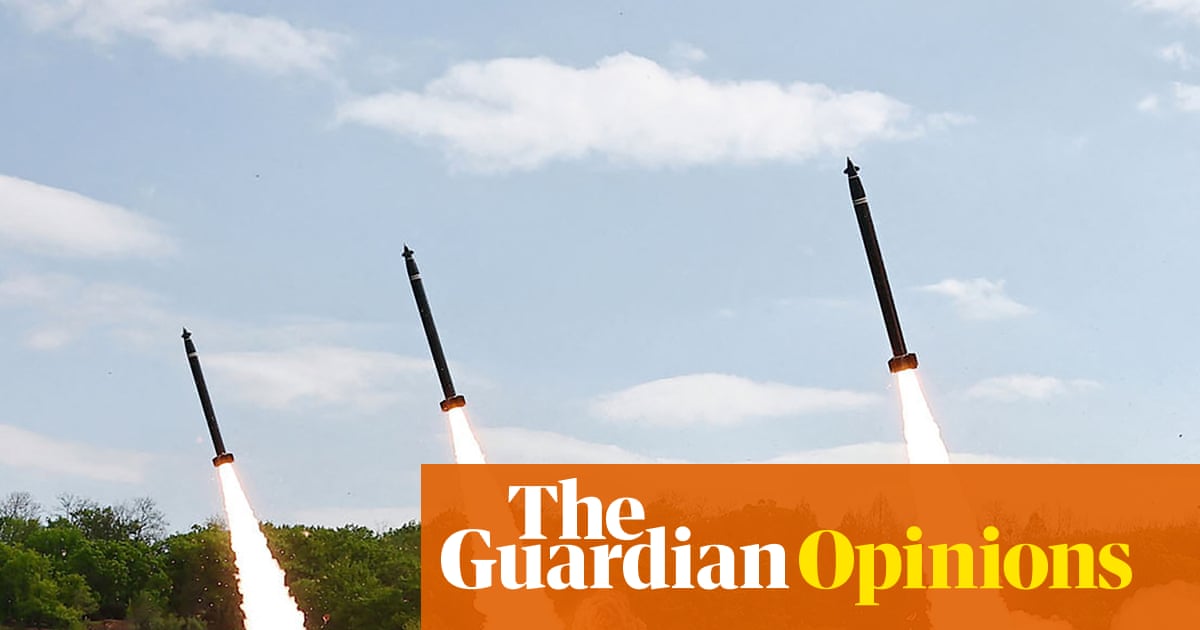
While debates continue around whether large language models will achieve consciousness and moral agency, the risk posed by existential AI threats remains significant but manageable. In stark contrast, the global community exhibits shocking complacency toward a more immediate and preventable threat: the escalating stockpile of advanced nuclear weapons. The focus has shifted from “if” a world-ending event will occur to “when” limited or extensive nuclear conflict may break out. As we mark 81 years since Hiroshima, one is left to ponder our dwindling fortune.
Alarmingly, Vladimir Putin has recently threatened to unleash Russia’s entire nuclear arsenal, consisting of approximately 4,400 warheads, against NATO countries if they follow through with supposed plans to invade the Baltic exclave of Kaliningrad. Although his credibility has waned due to frequent military posturing since Russia’s invasion of Ukraine, such threats are destabilizing. The efficacy of nuclear deterrence rests on the belief that threats are credible, and a lack of belief can lead to grave miscalculations. Concurrently, uncertainty looms as Putin struggles against Ukraine’s innovative drone and missile operations, nudging him closer to considering the use of low-yield tactical nuclear weapons.
Meanwhile, Trump’s justifications for the controversial US-Israel operations in Iran hinge upon his false claims that Tehran is on the brink of acquiring nuclear capabilities. Although he posits himself as a guardian against nuclear conflict, his suggestion to “annihilate the Islamic Republic” suggests a willingness to employ nuclear force. This hypocrisy is striking, especially given that the US itself is modernizing its own arsenal of 3,700 warheads, potentially resuming nuclear testing, while fostering Israel’s secretive nuclear program and negotiating nuclear technology deals with Saudi Arabia, prompting concerns of a regional nuclear arms race.
Similar peril lurks in Asia, where North Korea‘s leader, Kim Jong-un, has solidified his nation’s status as a recognized nuclear power. Recent reports indicate that North Korea has amassed up to 120 nuclear warheads, used as intimidation against neighboring countries. The long-held principles of reunification and denuclearization in the Korean peninsula have all but evaporated. Trump, undeterred by past failures, seeks renewed dialogue with Kim, whom he inexplicably labels as a friend, causing concern among allies like Japan and South Korea, who are now contemplating their own nuclear deterrents. China, meanwhile, continues to expand its nuclear capabilities.
Addressing the recent UN General Assembly, António Guterres, the UN Secretary-General, declared that the world has reached “the most dangerous nuclear moment” since 1989. Military expenditure globally surged to nearly $3 trillion last year, while spending specifically on nuclear arsenals increased by 20%. The absence of high-level disarmament dialogue raises alarms among experts, including Daryl Kimball from the Arms Control Association, who warns of an unprecedented nuclear buildup involving China, Russia, and the United States.
The challenges presented by a fragmented international order exacerbate the situation. The ideologies emerging during Trump’s presidency—asserting brute strength over legal norms and undermining established treaties—have accelerated our descent toward nuclear chaos. Ongoing conflicts in regions like Palestine, Iran, and Ukraine create a volatile environment, raising the specter of a potential third world war. The race for dominance in space is another critical factor, as the foundational tenets of the 1967 Outer Space Treaty are increasingly disregarded. The rapid militarization of space poses additional risks, exemplified by Russia’s pursuit of nuclear-armed anti-satellite weapons.
Should humanity persist in its reckless march towards destruction, this trajectory may lead to unprecedented consequences. Surprisingly, the public response has been one of near silence—a disengagement that borders on indifference toward this potentially catastrophic path. As we approach an inevitable reckoning, those who remain silent may find themselves complicit in their own demise. The lessons of Hiroshima should serve as a solemn reminder of our future.
Editor’s Take
This situation presents grave implications for global stability and security. The intertwining threats of nuclear proliferation and uncontrolled AI development create an urgent need for collective action. Stakeholders in technology and policy must address these challenges head-on to prevent a crisis that could affect millions.
Source: www.theguardian.com