

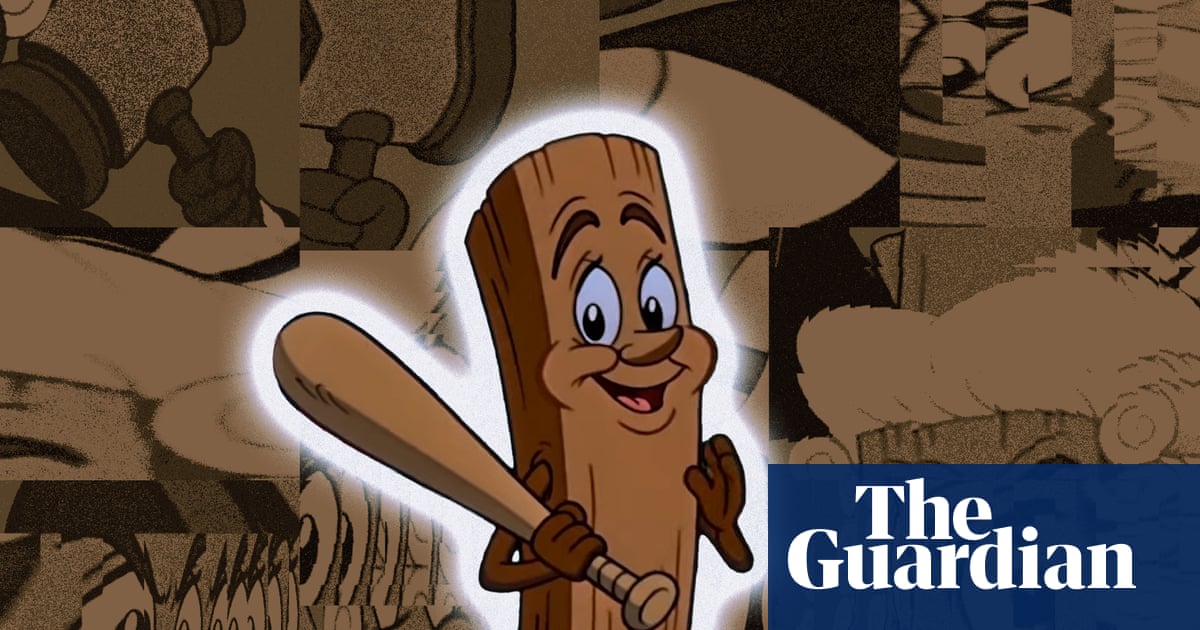

Tung Tung Tung Sahur, affectionately known as Triple T, has risen in popularity from a quirky creation to a focal point in a significant legal dispute that questions the boundaries of creativity in the age of artificial intelligence. Developed in 2025 by Indonesian teen Noxa utilizing OpenAI’s image-generation technology, Triple T is an anthropomorphized representation of a kentongan, a drum traditionally used to awaken Southeast Asian Muslims for pre-dawn meals during Ramadan.
The character has rapidly gained a global following, with millions of views on platforms like YouTube and TikTok, and has inspired fans to create merchandise, fan art, and cosplay. His upcoming presence in Fortnite as a game skin further demonstrates his widespread appeal. However, this virality has raised an important question: who truly benefits from this phenomenon?
This question is central to a lawsuit currently unfolding in the U.S. District Court for Northern California, where a gaming company is battling Mementum, a French creative agency representing Noxa, over the rights to use Triple T in a popular Roblox game.
Eben Jeda, co-founder of Mementum Lab, expressed that he aimed to modernize the economic framework surrounding internet-native content often overlooked in profit distribution. He stated, “Brain rot signifies a transformation in that internet creativity can gain global recognition instantaneously while original creators remain economically invisible.”
Conversely, some opponents argue that no single individual should claim ownership over a meme enriched by collective online contributions. Fabian Mosele, who has produced several videos featuring Triple T, noted that the essence of brain rot is inherently communal.
Defining ‘Human Authorship’ in the Age of AI
Triple T exemplifies the burgeoning genre of “Italian brain rot,” encompassing an array of bizarre AI-generated characters that resonate with Generation Alpha and younger segments of Generation Z. Other notable characters include Ballerina Cappuccina, a ballerina with a coffee cup for a head, and Tralalero Tralala, a sneaker-clad shark.
In May 2025, Do Big Studios released a game titled “Steal a Brainrot” populated with such distinctive characters, quickly becoming a hit within Roblox. However, in September 2025, the creators behind the game received a cease and desist from Mementum regarding Triple T’s inclusion. Despite initial compliance, Do Big reversed course and initiated a lawsuit against Mementum, contending that the claimed rights do not exist and positing that copyright protections necessitate human authorship, which they argue is absent in this case.
U.S. copyright law currently only applies to human-created works. A report from the U.S. Copyright Office clarifies that copyright protects “original expression” created by humans, excluding purely AI-generated works. This ambiguity raises the question of ownership in AI-influenced creations, which must be evaluated case-by-case.
Do Big asserts that the human creativity involved in Triple T’s conception is insufficient for ownership claims. Legal documents reveal that Triple T was created in just 15 minutes with merely seven prompts, such as “draw a pentungan sahur with a face.”
Aaron Moss, a copyright attorney representing Do Big, noted, “We are not claiming that AI-assisted work is entirely devoid of ownership. True creative input warrants protection. However, minimal prompts do not embody sufficient human authorship.”
Complex Dimensions of International Copyright
The intricacies of authorship amid the AI era extend beyond legal definitions. The global influence of online content complicates enforcement, as an Italian character born from a TikTok user in Indonesia is now contested in a California court. Mementum, striving for a comprehensive strategy, aims to protect their creation on multiple fronts.
Jeda emphasized that Mementum examines the situation without confining it to American legal perspectives. Recently, they successfully filed a takedown notice under the EU’s Digital Services Act, aiming to expunge Triple T from Do Big’s game, followed by a countersuit in the U.S. for trademark infringement.
Although Mementum lacks a registered trademark for Triple T in the U.S., trademark infringement claims can be pursued even before registration. According to Steven Stein, Mementum’s representative, “In this new wild west of AI creation, the focus shifts to how creators can ensure their work remains protected under intellectual property law.”
The outcome of this ongoing legal battle is anticipated to set critical precedents in copyright law concerning AI-generated material. James Grimmelmann, a legal scholar, suggests this case might determine what constitutes copyrightable material when AI is involved and establish best practices for AI usage.
Documentation of creative processes may evolve as a crucial norm. The prompts utilized in creating Triple T serve as a pertinent example contributing to both legal considerations and viral speculation surrounding the character’s origins.
As the frenzy over Triple T persists, Adam Aleksic, a content creator, remarked, “The allure of characters like Triple T lies in their mythological quality. It captures the cultural consciousness and the absurdity inherent in brain rot.”
This complex web of collective creation is simultaneously what fosters the character’s popularity and confounds potential ownership claims—a reflection of the challenges of defining originality in a digitally interconnected world.
Editor’s Take
This case highlights the pressing need for clarity in copyright laws concerning AI-generated content. As creators increasingly use AI tools, the legal frameworks must evolve to protect intellectual property rights while respecting the collective nature of digital culture. The outcome will influence how originality and ownership are perceived in an interconnected digital landscape, impacting users, businesses, and developers alike.
Source: www.theguardian.com