

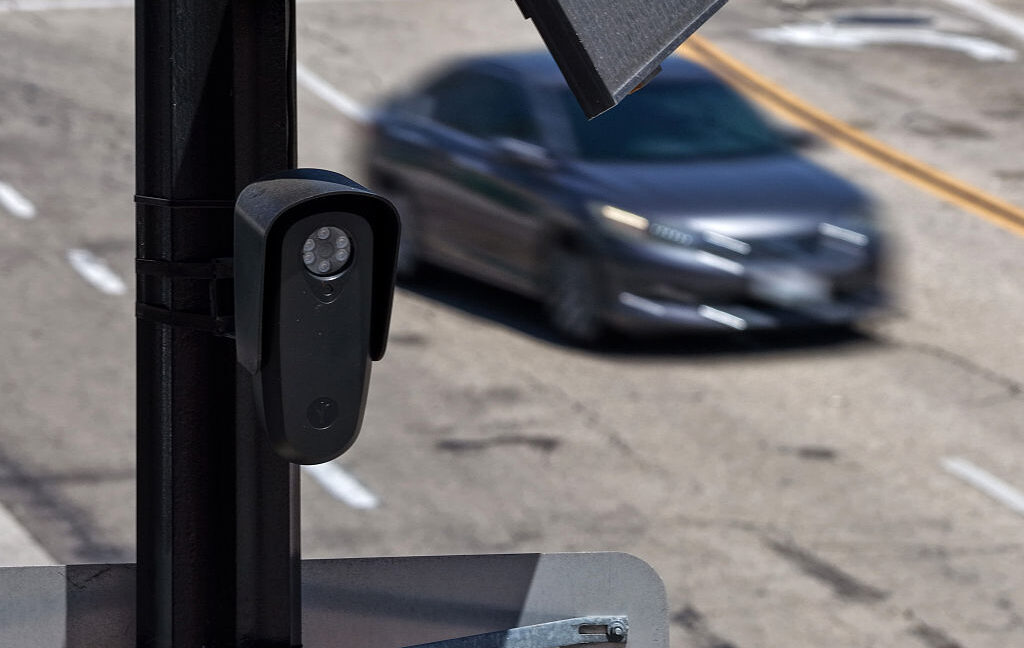

As concerns regarding privacy and the use of Flock cameras proliferate, many citizens are left in the dark about crucial details: the locations of these devices, who accesses the footage, the frequency of data retrieval, and the duration of data retention. These uncertainties have prompted calls for transparency.
Public records requests can sometimes shed light on these issues, and some law enforcement agencies voluntarily provide information through transparency portals designed by Flock. These platforms compile statistics, such as the total number of cameras installed, the number of vehicles scanned, and the frequency of police searches within particular regions.
Andrew Smith, a spokesperson for Flock, emphasized to the Texas Tribune that these portals offer agencies a means to publicly share details regarding their Automatic License Plate Recognition (ALPR) initiatives, including operational policies and access rules. This initiative aims to enhance community understanding of the technology’s application.
Despite this potential for transparency, the uptake has been limited. In Texas alone, while hundreds of agencies are utilizing Flock cameras, only 59 have opted for the transparency portals, and merely 16 of those actively share data with the public.
Advocates express concern that without judicial oversight or mandates from state and local authorities demanding greater transparency, Flock cameras will continue to monitor movements without the public’s full comprehension. The advent of artificial intelligence may further complicate privacy matters by streamlining data processing across an expanding network.
Michael Soyfer, a lawyer representing the Institute for Justice, has closely examined the misuse of Flock cameras and is engaged in multiple litigations based on Fourth Amendment violations. He cautioned that, without enhanced transparency regarding police utilization of these cameras, Flock might inadvertently develop tools that facilitate the types of police misconduct that the public finds concerning. This includes the potential for automated alerts targeting vehicle movements that could lead to false accusations or wrongful detentions.
Soyfer elaborated, noting, “We’re seeing that repeatedly with police flagging whatever they’ll call suspicious patterns of movement. Federal agents were utilizing ALPRs to track vehicles making brief trips across the border, which led to unwarranted stops, interrogations, and searches.” He foresees Flock automating similar processes, using AI to establish alerts for such travel behaviors.
Editor’s Take
This issue underscores a critical intersection of technology and civil liberties. As Flock continues to expand its surveillance capabilities, the lack of transparency could erode public trust and lead to increased misuse of data. Users and businesses alike must advocate for clearer regulations to ensure responsible use of AI technologies in surveillance contexts.
Source: arstechnica.com