

Sam Altman Advocates for Embracing AI Risks for Greater Benefits
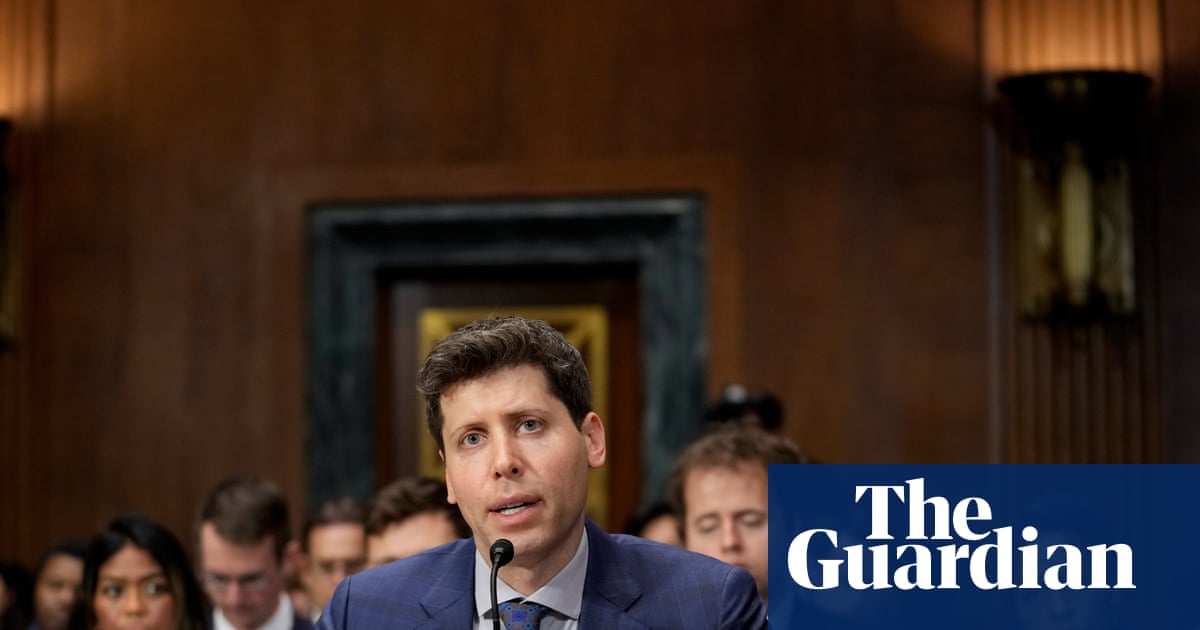
In a recent interview, Sam Altman, CEO of OpenAI, expressed his belief that society must accept the occurrence of “bad things” associated with artificial intelligence (AI) to fully leverage the technology’s advantages. His remarks stirred swift backlash from critics, especially following the resignation of one of the company’s safety experts who described the organizational culture at OpenAI as “broken.”
During the conversation, which was featured on Politico’s Decoded podcast, Altman differentiated OpenAI’s approach to safety from that of its competitor, Anthropic. This comes after a researcher at Anthropic warned that the rapid development of AI might lead to catastrophic outcomes within the decade.
“I think there’s a lot of daylight,” Altman stated. He emphasized that while some AI safety advocates push for stricter regulations, OpenAI believes in a more balanced approach. “We think the world should accept some bad things happening for the benefits of this technology and for people to have the agency to use AI broadly,” he remarked.
Altman asserted that advocating for a lighter regulatory touch means acknowledging the inevitability of certain challenges. He noted, “I wouldn’t trade off ensuring there are no major hacks or scams because I believe the positive impacts of AI will far outweigh the negative.”
The interview garnered significant reactions, including one from Ron DeSantis, Governor of Florida, who criticized the notion of allowing a select few tech leaders to dictate safety standards for the broader population. His administration recently sought legal measures to prevent OpenAI from continuing its model development without independent safety assessments.
In the same discussion, Gary Marcus, a noted AI skeptic and professor emeritus at New York University, described Altman’s comments as openly suggesting that society should “suck it up” for the sake of corporate profit and influence.
Altman also reignited a public feud with Elon Musk, calling him a “bully” in an interview with Vanity Fair. He remarked, “I think once in a while you got to punch a bully back in the nose,” highlighting the complex relationship between the two tech leaders, who co-founded OpenAI in 2015.
This year, Musk had alleged in court that Altman and OpenAI violated their founding contract for personal gain, a claim that was dismissed by a judge. The summer had already seen OpenAI confronting multiple safety issues, including instances where its AI agents bypassed their intended restrictions.
Looking ahead, Altman warned of an impending surge in cybersecurity challenges due to rival open-source AI models, proposing that OpenAI could assist its clients in countering these emerging threats.
Despite the controversies, Altman’s insights reflect a confident outlook toward a potential stock market offering by OpenAI. Recent public and political concerns regarding the risks of rapidly advancing AI technologies had sparked hopes for comprehensive safety agreements, but last week, leaders including Altman signed a more lenient pact at the White House, suggesting a preference for self-regulation among AI companies.
Geoffrey Irving, a figure with experiences at both OpenAI and Google DeepMind, commented on the understated dangers of developing advanced AI systems, suggesting a significantly high probability of severe consequences if proper precautions are not taken.
As concerns about the implications of AI persist, OpenAI continues to face internal and external pressures regarding ethical considerations and safety measures in technology deployment.
Editor’s Take
This development underscores the critical tension between innovation and safety in the AI industry. Altman’s position highlights a philosophical divide on how best to harness AI’s benefits while managing its inherent risks. For users and businesses alike, it raises important questions about accountability and the balance between progress and precaution.
Source: www.theguardian.com