
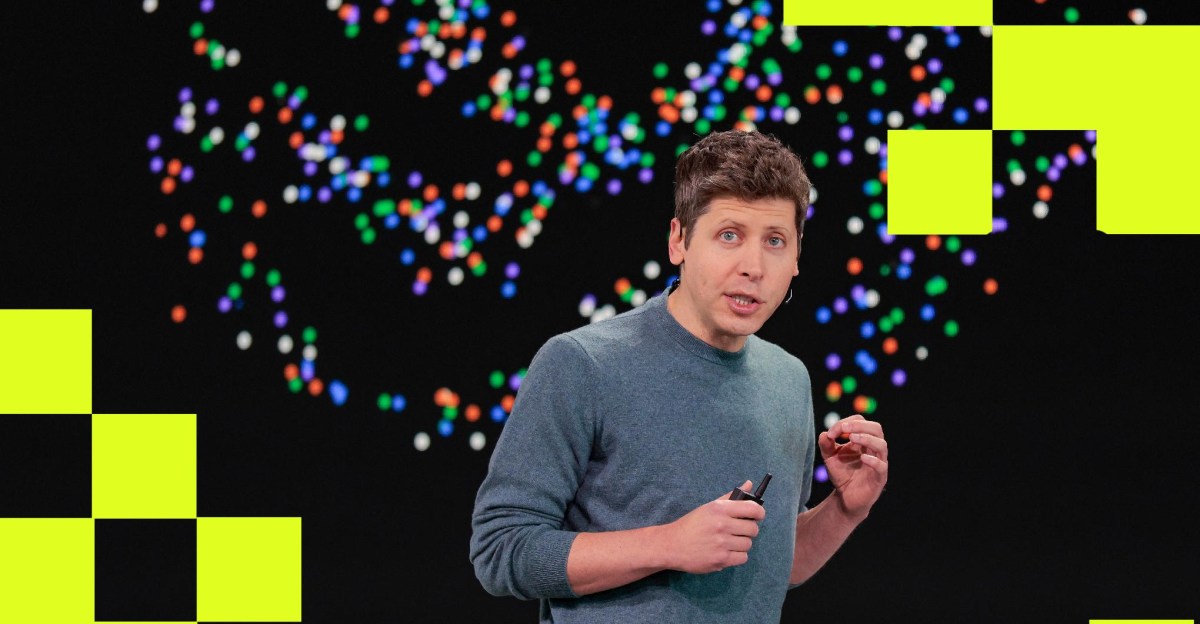

OpenAI has unveiled its latest offering, Dots, a product tailored for business applications. Priced at a minimum of $100 per month, Dots presents a polished, professional image compared to its counterpart, Muse. While users can create charming Dot characters, the primary emphasis in Dots’ early marketing is on its practical utility for business tasks, such as website launches, call rescheduling, and preparing slide decks for meetings. In contrast, Muse has a more casual approach, reminding users to revisit products they’ve previously browsed.
In the latest episode of The Vergecast, the team delves into Dots and explores the broader landscape of intelligent assistants. The discussion quickly pivots back to Muse, which the team is testing with mixed results. Notably, David Imel utilized Muse to manage his Facebook Marketplace listings, while Nilay Patel appointed it to sift through junk emails, revealing both the tool’s efficacy and the discomfort it can occasionally evoke.
Trust in artificial intelligence is another important topic of conversation this week, particularly concerning a recent initiative where tech leaders convened at the White House. They agreed to a “morally binding” compact to ensure ethical oversight and prevent their AI systems from becoming uncontrollable. However, skepticism surrounds the impact of this agreement.
The episode also features an exciting lineup of gadget news, including a revolutionary new phone-camera hybrid from Huawei, updates to the Kindle family, and speculations about the upcoming HomePod. The podcast concludes with an engaging Lightning Round, covering topics such as the new chatbot from America, restrictions on Reddit‘s access, and developments in Cybercabs.
For those interested in exploring these stories further, links are included below.
P.S. We encourage our readers to consider voting for us in the Signal Awards!
Editor’s Take
The introduction of Dots by OpenAI signifies a shift toward more specialized AI tools tailored for business environments. This could enhance productivity for companies that adopt such technology. While ethical discussions around AI oversight continue to grow, the effectiveness of self-regulation remains a point of contention. The evolution of these tools will undoubtedly shape user experiences and expectations in the AI industry.
Source: www.theverge.com