
NASA’s Future in Low-Earth Orbit: A Tough Choice Ahead
As NASA contemplates its future in low-Earth orbit, it faces a significant decision spurred by the impending retirement of the SpaceX Dragon spacecraft, which is expected by 2030. The agency is considering extending the life of the International Space Station (ISS) until 2032, alongside fostering the rise of private space stations, referred to as Commercial LEO Destinations (CLDs). Central to this evolution is the need for a reliable transportation solution for astronauts.
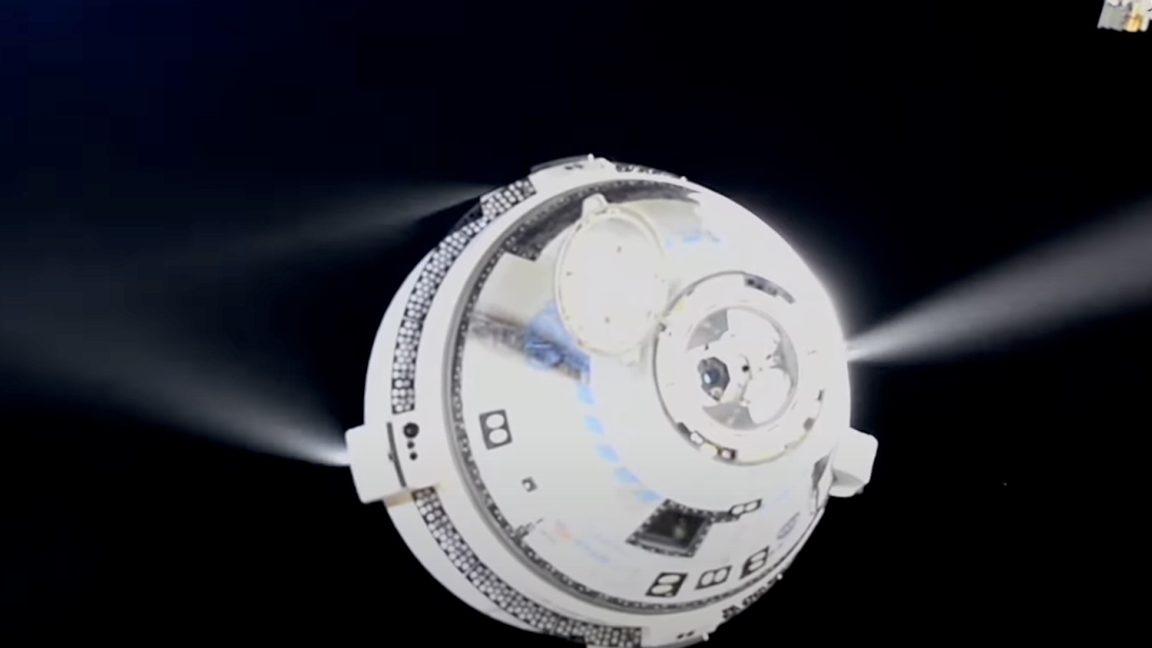
Despite its challenges, the Boeing Starliner has emerged as the most viable option available. Some experts have suggested that NASA explore a second crew competition which could include contenders like Blue Origin with its forthcoming space vehicle and others such as The Exploration Company. However, Jared Isaacman, a notable figure in commercial space flight, has shown hesitation regarding such investments, which could run into the billions.
During a recent press conference, Isaacman emphasized the expected demand for astronaut flights to low-Earth orbit, estimating a need for two seats every six to nine months. Given the substantial investments already made in the Starliner program, continuous support from NASA officials suggests it would be imprudent to abandon this venture.
Boeing appears optimistic about solidifying its position as the primary transportation provider for U.S. astronauts heading to low-Earth orbit. John Mulholland, vice president and program manager of Commercial Crew at Boeing, expressed enthusiasm regarding their partnership with NASA, stating the company’s commitment to support missions to the ISS and further operations with the certification of the Vulcan rocket.
Boeing: A Unique Status in Crew Transportation
However, to realize this vision, Boeing must address several hurdles. A key concern for both NASA and emerging private space station developers is the financial implications of current transportation strategies. With the potential exit of Dragon from the market, Boeing may hold a monopoly on crew transportation for the foreseeable future.
For upcoming missions, from Starliner-2 through Starliner-6, NASA and Boeing have set a price of around $90 million per seat. Despite this agreement, negotiations over the summer revealed that Boeing was unable to confirm seat pricing for the 2030s. Mulholland noted that this uncertainty stems from the lack of certification for both the Vulcan rocket and the Starliner itself, emphasizing the need for future clarity on pricing in order to remain competitive.
Editor’s Take
This development highlights the complex interplay between government and private sector in space exploration. With Boeing positioned as a crucial partner, the future of manned missions hinges on the successful certification of new technologies. For users and businesses, this could pave the way for expanded access to low-Earth orbit and innovative commercial endeavors.
Source: arstechnica.com