
Trends in U.S. Energy Demand: A Seven-Month Update
The landscape of energy consumption in the United States continues to evolve, with the latest figures indicating a moderate rise in electricity usage. Although recent headlines have highlighted the surge in energy needs driven by data centers, the overall increase in energy demand is more tempered than expected. In fact, during the past seven months, energy use has grown by only 2 percent compared to the same period last year, a decline from the 3 percent increase noted the previous year.
This slow uptick in demand is being influenced by the ongoing shift toward electrification. Innovations such as electric vehicles (EVs) and heat pumps are transferring increased energy needs onto the electrical grid. However, advancements in energy efficiency are enabling many consumers and businesses to manage their electricity usage more effectively, which has supported a stable demand throughout the early 2000s and beyond.
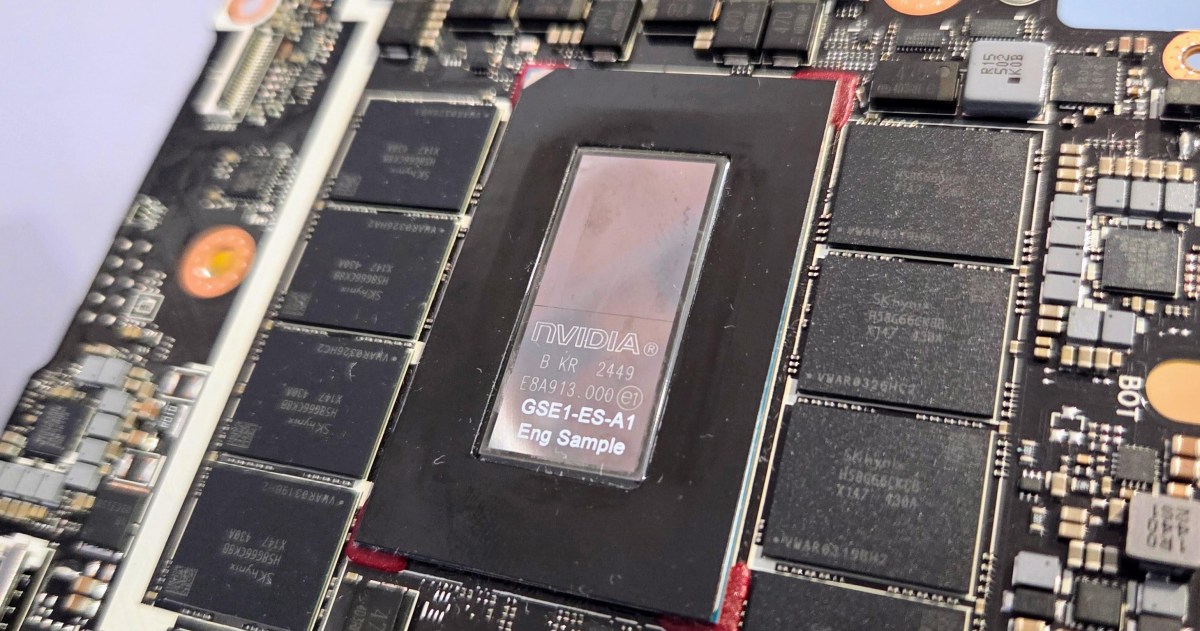
Interestingly, some of the slowing demand may be attributed to a trend where more data centers are opting to generate their own power. By doing so, these facilities reduce their dependence on the national grid, ultimately keeping their energy usage below the radar and mitigating apparent demand spikes. For now, the escalation in electricity demand does not suggest an impending crisis.
As the energy landscape grows more complex, monitoring these trends will be essential for industry stakeholders and policymakers alike, ensuring that the balance between supply and demand is maintained.
Editor’s Take
This data signifies a cautious optimism about U.S. energy consumption amidst rising electrification trends. While the demand is increasing, it remains manageable, suggesting that efficiency measures are having a positive impact. For businesses reliant on energy, understanding these fluctuations is vital for future planning and investments in sustainable technologies.
Source: arstechnica.com