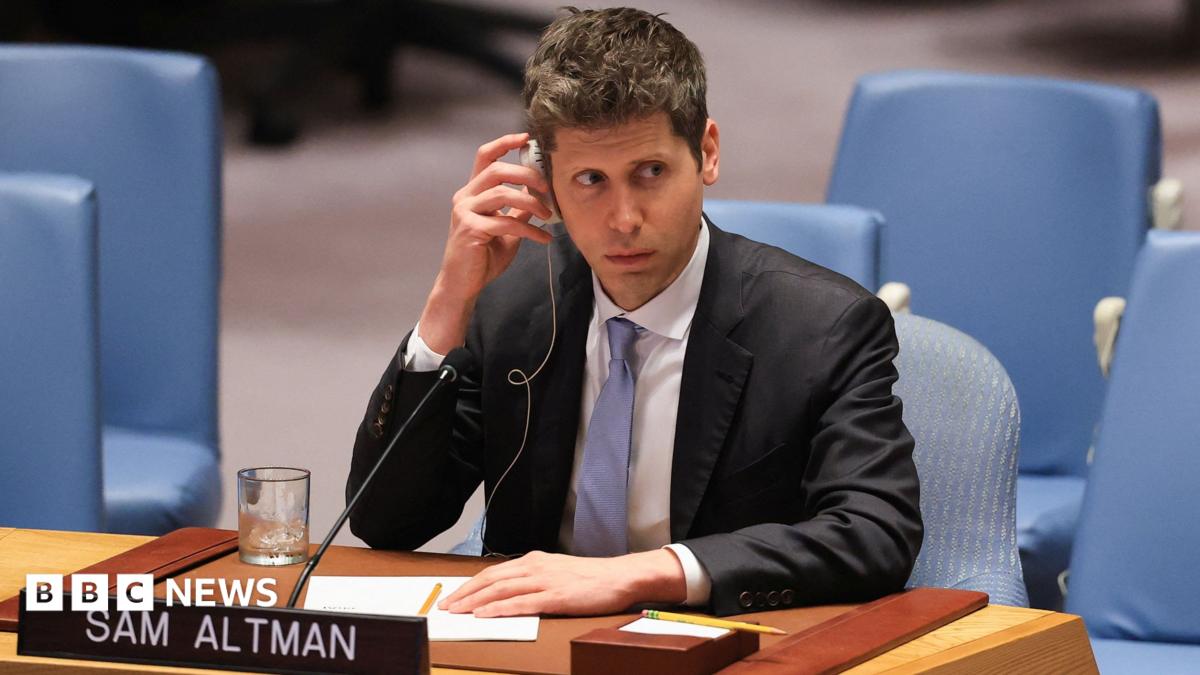

Leaders from OpenAI, Anthropic, and Hugging Face have urged the United Nations to establish international cooperation to address the rapid advancement of artificial intelligence (AI) and its associated risks to society. During a recent conference, Sam Altman, the CEO of OpenAI, emphasized the urgent need for universal standards to evaluate AI-related risks. This sentiment was echoed by Dario Amodei, the head of Anthropic, and Clement Delangue, CEO of Hugging Face.
Earlier in the month, Amodei shared an essay advocating for a deliberate pause in AI development, a call that resonated with Altman and other key figures in the field. However, not everyone at the UN agreed with this approach. Michael Kratsios, a former executive at Scale AI and a technology advisor to former President Donald Trump, dismissed the need for new regulations on AI. While acknowledging the rapid evolution and risks of AI, he argued that these concerns did not justify halting progress or imposing global governance structures.
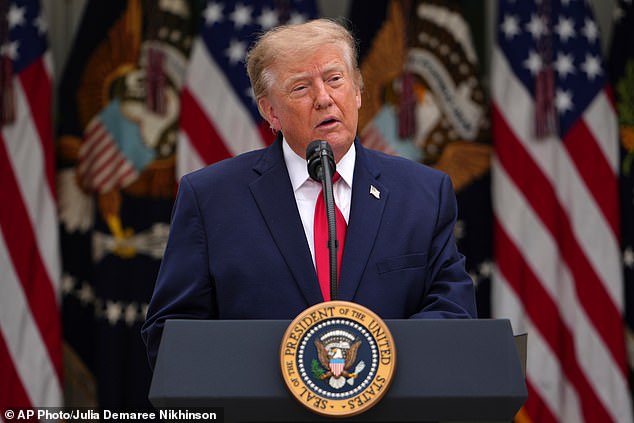
Kratsios stressed that international discussions should not veer into the territory of overarching regulations. His statements mirrored previous comments made by Trump, who recently expressed a desire to rebrand AI as “super intelligence” and strongly opposed any slowdown in AI advancements, citing the United States’ competitive edge in the domain.
“We’re leading China on AI… and frankly, I want to keep it that way, because whoever wins AI, wins,” Trump declared earlier this month.
In a contrasting perspective during his conversation with the UN, Altman advocated for a more collaborative approach to AI governance. He stated, “If AI is to be democratic, the most important decisions cannot be made by labs in San Francisco alone.” Altman called on nations to unite for the collective benefit in light of the emerging technological landscape.
He proposed the establishment of both national and international benchmarks for evaluating AI capabilities, assessing risks, implementing safeguards, and maintaining human oversight over AI technologies. Furthermore, he insisted on the necessity for swift protocols for incident reporting, classification, and knowledge-sharing to prevent minor failures from escalating into major disasters.
“We need common standards so countries can compare evidence, verify compliance, and share a common language to understand what’s happening,” Altman concluded.
Editor’s Take
This call for international collaboration reflects a critical juncture in AI development. As leaders emphasize both innovation and safety, the future of AI governance could significantly influence how technologies impact society. Balancing risk with progress will be vital for users, businesses, and developers navigating this fast-evolving landscape.
Source: www.bbc.co.uk