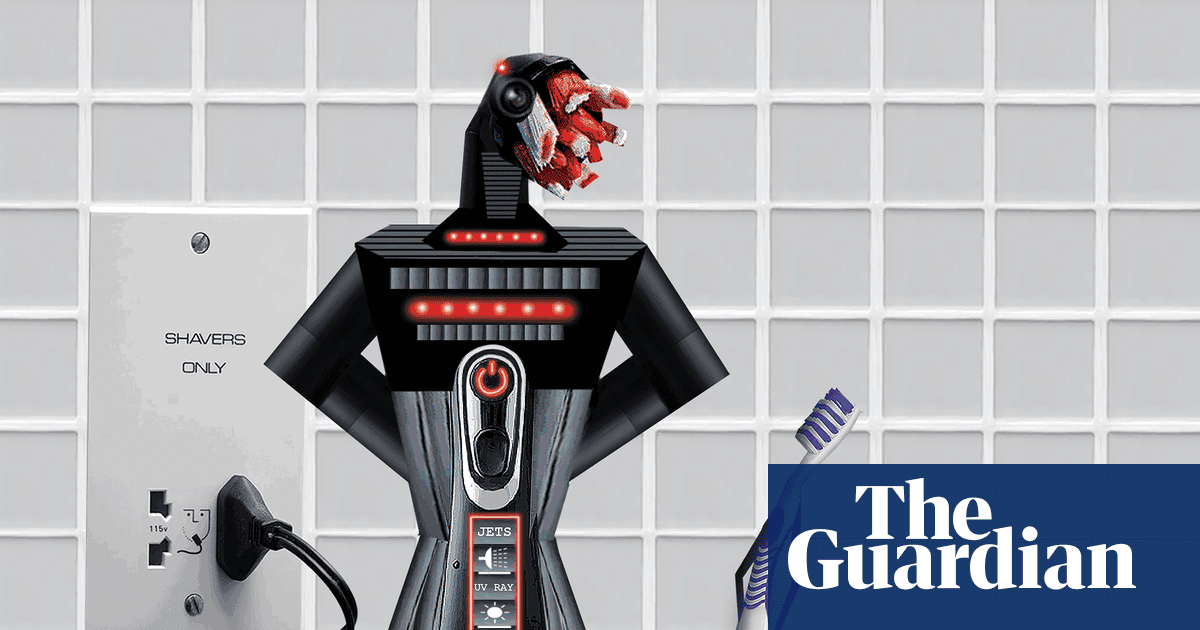

In December 1969, the consumer magazine Which? highlighted the electric toothbrush as a novel gadget likely to become a popular Christmas gift. It described this innovation as similar to a conventional toothbrush; however, the electric version offers automatic movement of the brush head, marking a significant technological advancement at the time.
Fast forward nearly six decades, and electric toothbrushes have evolved far beyond simple oscillation. Modern devices boast multiple speed settings, advanced movement sensors, and real-time tracking capabilities that monitor brushing habits. Some models even include features for gum massage or tongue cleaning. Basic models start around £25, while premium options like the Philips Sonicare can cost up to £599.99, with cutting-edge designs such as the new £419.99 Dyson CameraJet toothbrush, which combines a camera and a water jet to enhance cleaning, utilizing AI to identify gaps between teeth.
Current statistics reveal that 59% of adults in the UK now favor electric toothbrushes, with sales reaching £361 million in the past year, according to Mintel. As Rachel Bairsto, head of museum services at the British Dental Association, notes, any introduction of products by Dyson, a brand synonymous with innovation in home appliances, carries weight. “We’re witnessing a trend towards more expensive toothbrushes and toothpaste,” she said.
The perception of electric toothbrushes has shifted considerably; they are now seen as status symbols, commonly found in upscale bathrooms. Bairsto comments, “In a swanky bathroom, you’ll likely spot charging ports for high-end electric toothbrushes,” highlighting the changing social significance of oral hygiene products.
As public awareness about oral health grows, dentists like Dr. Zaeem Jafri, founder of Nova Smiles, emphasize that more individuals strive for better dental care, often turning to technology to assist them. Dr. Reena Wadia, a periodontist at the RW Perio clinic in London, also remarked that the association between gum health and broader health issues has emerged as a significant topic. Evidence indicates that compromised gum health could elevate risks for conditions like diabetes and cardiovascular diseases.
While both doctors recommend rechargeable electric toothbrushes over manual ones, they caution against overspending on high-end models without clear evidence of their superiority. Jafri’s hands-on experience with the Dyson CameraJet revealed shortcomings; he found the water jet difficult to maneuver and it failed to detect all gaps between teeth effectively.
The addition of the water jet feature raises concerns, particularly as dentists currently advise against rinsing immediately after brushing, as fluoride from toothpaste should remain on teeth longer. Dr. Wadia further warns that reliance on these new features could lead people to neglect flossing and other critical dental hygiene practices.
There have also been reports of the new toothbrush overheating and malfunctioning. Dyson acknowledges some production issues but is actively addressing these challenges. With rising demand, they are working to boost supply and ensure availability.
As the UK faces an ongoing oral health crisis, highlighted by the fact that 60% of the adult population hasn’t visited an NHS dentist within the past two years, the divide in access to high-quality oral care persists. Striking disparities exist between income levels, with electric toothbrush usage reported at 47% among lower-income groups compared to 76% in higher-income brackets. Jafri points out that those willing to invest heavily in toothbrush technology are often already health-conscious, which may not meaningfully address broader dental health issues.
The original electric toothbrushes back in the ’60s had limited functionality but coincided with a surge in dental health consciousness. The market is now predominantly controlled by brands like Oral B, giving them approximately a 60% market share. Pioneering products like the Dyson CameraJet are expected to elevate consumer expectations, compelling competitors to innovate further.
New electric toothbrush entrants, such as Suri, are also gaining traction by offering eco-friendly options, highlighting the industry’s commitment to reducing environmental impact. As noted by Damien Walmsley, an emeritus professor of dentistry, while innovative features can draw consumer interest, the longevity of these trends remains uncertain.
Editor’s Take
This development signals a growing intersection between technology and personal health care, particularly in oral hygiene. As companies like Dyson venture into this market, it raises critical questions about the balance between innovation and actual health benefits. Users may benefit from enhanced features, but the essential fundamentals of dental care, such as technique and consistency, must not be overshadowed by novel gadgets.
Source: www.theguardian.com