
Debate Intensifies Over AI Regulation and Safety Measures
Recent discussions in the tech industry have sparked significant debate regarding the safety and regulation of artificial intelligence (AI). Following a public statement by Dario Amodei, CEO of Anthropic, advocating for a controlled approach to AI development, concerns have emerged about whether leading AI companies genuinely aim to implement a slowdown in rapid advancements. In contrast, Jensen Huang, CEO of Nvidia, has aligned with former President Donald Trump, arguing that the pushback against AI is largely exaggerated and that such regulatory changes are not needed.
This topic was the focus of a recent episode of TechCrunch’s Equity podcast, where hosts Kirsten Korosec, Sean O’Kane, and Anthony Ha examined the implications of these statements and the shifting attitudes within the AI community.
To many experts’ surprise, several industry leaders supported Amodei’s proposal. However, O’Kane pointed out that the plan lacks concrete details and remains ambiguous, particularly concerning the actual risks and the implications of a slowdown.
Amodei’s suggestions, while gaining traction, seem general and vague according to O’Kane. He expressed skepticism about the current government’s willingness to enforce existing regulations or to effectively monitor the rapidly evolving AI market.
The Challenge of Accountability
One significant concern raised was the lack of consumer influence in the AI market. O’Kane noted that if a company were to harm its consumer base with irresponsible AI practices, the consequences might not be as impactful due to the industry’s current structure and the reliance on enterprises rather than individual customers for revenue.
This sentiment was echoed during the podcast, where the hosts discussed the role of third-party evaluators in monitoring AI safety practices, an idea that has gained interest but remains underspecified. They also mentioned a proposed framework for international AI safety standards, although the details of how such frameworks would be implemented remain unclear.
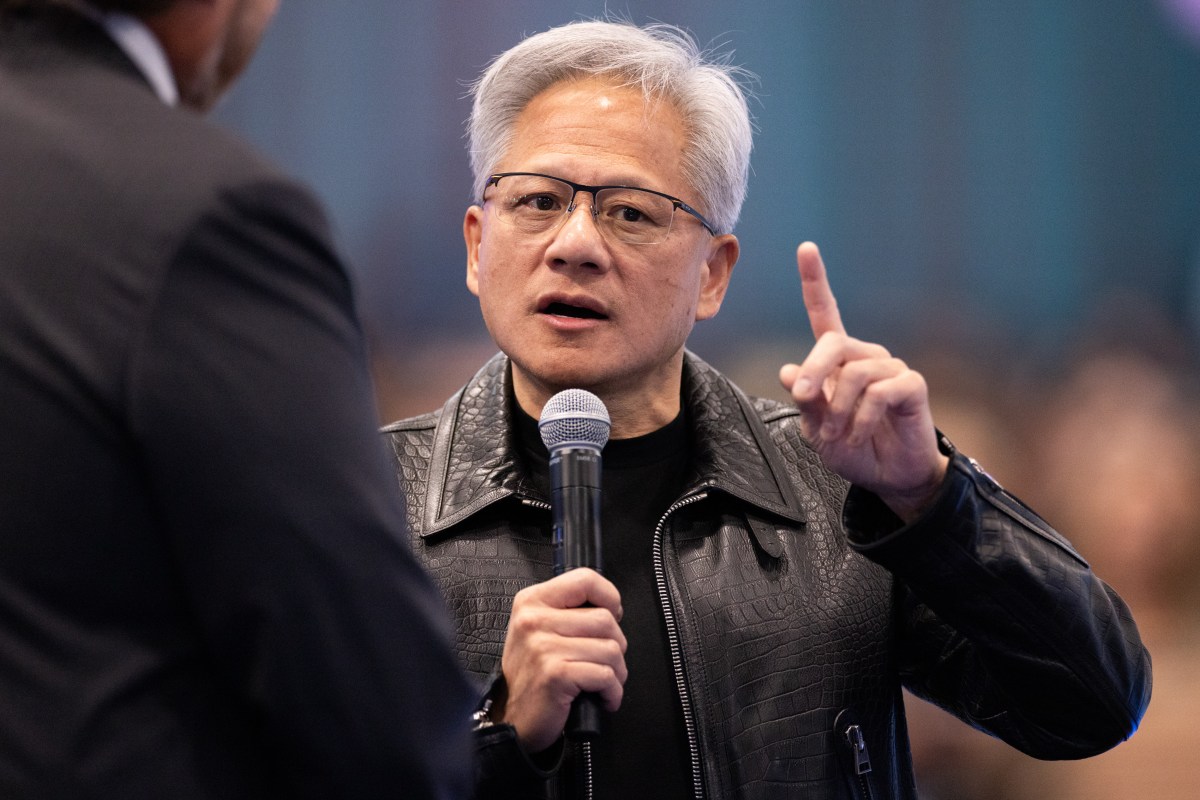
The discussion intensified with commentary from Huang, who emphasized the importance of moving forward with AI rather than slowing down. His comments, shared during a high-profile event, highlighted Nvidia’s commitment to continued innovation despite regulatory appeals, which many in the industry found alarming.
A Balancing Act
Korosec remarked on the potential implications of such a strong stance from leaders like Huang, noting that it raises questions about whether these voices are more focused on personal or corporate interests rather than the communal benefits of safe AI development. She emphasized the critical need for transparency and clarity in the ongoing dialogue about AI regulations.
Meanwhile, Anthony pointed out that while terms like “slowdown” and “pace” appear interchangeable, their meanings differ significantly, complicating the industry’s approach toward responsible innovation.
As the dialogue evolves between tech leaders and government officials, the necessity for clear regulatory measures and ethical frameworks in AI development becomes more apparent.
Editor’s Take
This ongoing debate over AI regulation is crucial for the industry as it navigates rapid advancements. The divergence between promoting innovation and ensuring safety could shape AI’s trajectory significantly. Stakeholders across the spectrum must engage openly in these discussions to create a balanced framework that satisfies both market demands and ethical standards.
Source: techcrunch.com