Australia Leads in Online Harm Prevention: Should Other Nations Adopt Its Model?

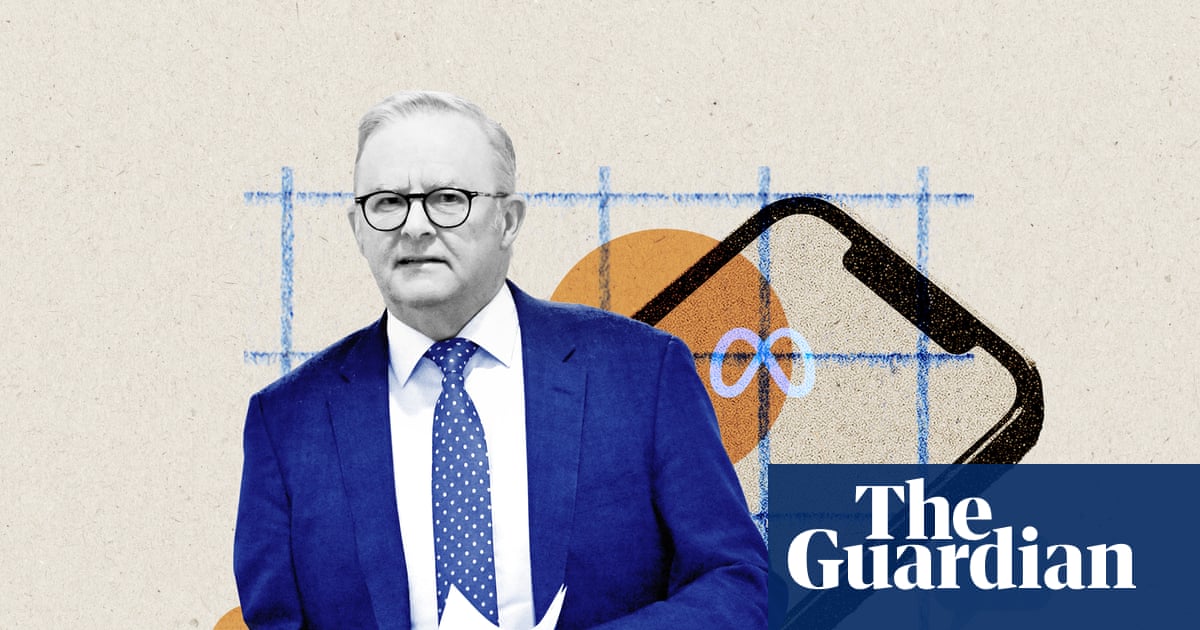
Anthony Albanese, the Prime Minister of Australia, is set to arrive in New York on Monday for the United Nations General Assembly, aiming to unite global leaders in a critical mission: to curb the influence of social media companies on children’s lives. He believes only a comprehensive international effort can effect lasting change in this arena.
Last year, during the UN leaders week, Albanese highlighted Australia’s pioneering initiative to prohibit children under the age of 16 from opening social media accounts. This move garnered attention from leaders worldwide, including Ursula von der Leyen, President of the European Commission, who remarked that the world was watching Australia closely.
As a result of these new regulations, approximately 5 million accounts have been closed in Australia. Several countries, including France, Brazil, and Indonesia, are implementing similar measures, prompting Albanese to advance the agenda further.
Recently announced plans will introduce a digital duty of care into Australian legislation, allowing users to opt-out of invasive algorithms that can exacerbate political divides and target vulnerable individuals. He emphasized, “We took action because the community said ‘enough was enough’,” as he foresees potential opposition both domestically and internationally.
As Australia endeavors to position itself as a forerunner in regulating technology’s pervasive presence in daily life, Albanese envisions stimulating “a global movement” that emphasizes accountability through public pressure and severe penalties for non-compliance.
Polling indicates robust support for these changes, with around 66% of Australians favoring the introduction of opt-out options for algorithms, while only 13% oppose them. The sentiment is that social media platforms must legally mitigate foreseeable risks for users, even if it entails restricting their operational models.
However, a growing debate surrounds AI and Australia’s datacentre expansion, raising concerns about environmental impacts. Albanese seems receptive to negotiations involving adjustments to copyright protections for corporate investments in these technologies.
Tama Leaver, a professor at Curtin University, stated that Australia’s assertive stance gives it credibility in a field often dominated by larger nations. He compared the situation to the Netherlands, where courts have mandated Meta to comply with the European Union’s Digital Services Act, granting social media users greater control over their feeds via legal channels.
Meta also recently consented to an $18 billion settlement addressing claims of harm to children in the U.S., vowing to implement measures like daily usage limits.
Labor sources describe these online safety initiatives as part of Albanese’s broader strategy of asserting Australian leadership amid global uncertainty. Both Albanese and Anika Wells, the Communications Minister, aim to create a supportive coalition for these reforms.
Wells criticized the unchecked testing of unregulated products by tech companies on Australians, declaring, “There is a global reckoning coming for big tech.” The forthcoming regulations will empower users aged 16 and above to disable algorithm-driven content, with potential fines exceeding A$100 million for non-compliance. Children under 18 will receive enhanced protections against various online harms.
The challenges ahead are marked by political opposition; the Coalition claims the Labor government seeks to exert undue control over conservative voices, while the Greens are pressing for more stringent measures, advocating for an opt-in system rather than an opt-out.
Albanese faces additional complexities in the U.S., where the White House has indicated it may pressure Australia to refrain from imposing strict regulations on American tech companies, echoing past tensions.
An evaluation of the effectiveness of Australia’s social media ban shows that over 80% of teens under 16 continue to use social media platforms. The government is responding by implementing harsher penalties and expanding the powers of the eSafety Commissioner.
Despite criticisms about efficacy, countries like Greece, Britain, and Denmark are also considering similar legislation, while existing restrictions are in place in regions such as China and Malaysia.
During a recent address, von der Leyen advocated for Europe to follow Australia’s lead with a proposed “EU Kids Act,” countering notions that big tech’s influence is insurmountable. According to the Australian eSafety Commissioner’s office, these bans challenge entrenched industry practices spanning over two decades.
Contributions from individuals affected by online risks underscore the societal urgency for reform. For instance, Wayne Holdsworth, whose son was a victim of sextortion, emphasized the long-term implications for youth mental health.
In light of these developments, experts like Jason Trethowan, Chief Executive of Headspace, believe that progress requires initiating change, drawing parallels with historical shifts in policy driven by public safety.
In summary, while Australia seeks to lead in digital safety standards, there is a call for international collaboration to further these efforts. As Albanese prepares for discussions at upcoming international summits, the world watches closely to see how Australia navigates its role—both as a leader and a participant in a rapidly evolving digital landscape.
Editor’s Take
The implications of Australia’s regulatory actions on social media are significant, establishing standards that may influence global practices. As users become increasingly concerned about online safety, businesses and developers must adapt to comply with emerging laws. This development not only shapes regulations within Australia but also sets a precedent that may inspire other nations to take action against tech companies, creating a ripple effect in the global digital landscape.
Source: www.theguardian.com