Australians’ Longevity Increases, But Treasurer Jim Chalmers Warns of Higher Costs

The future looks promising for Australians, who are expected to live into their mid-to-late 80s over the coming generations. However, achieving this longer life will require effective health policies.
This insight comes from the Treasury’s latest Intergenerational Report, set for full release on Monday, which outlines projected impacts of government policies 40 years ahead.
An excerpt released on Sunday forecasts that life expectancy at birth will approach 90 years for women by 2065/66, an increase from the current average of about 86 years. Moreover, life expectancy for men is projected to rise to 86 years, up from 82.
If these figures hold true, Australia will retain its position as one of the leading countries globally in terms of life expectancy.
Danielle McMullen, Chief of the Australian Medical Association, welcomed the encouraging news but cautioned against complacency. “While we are living longer, many are also living more years with chronic illnesses or mental health challenges,” she stated during an interview with ABC News on Sunday.
McMullen emphasized the need for increased focus on preventative health measures, suggesting that regular medical check-ups earlier in life can help mitigate issues as people age.
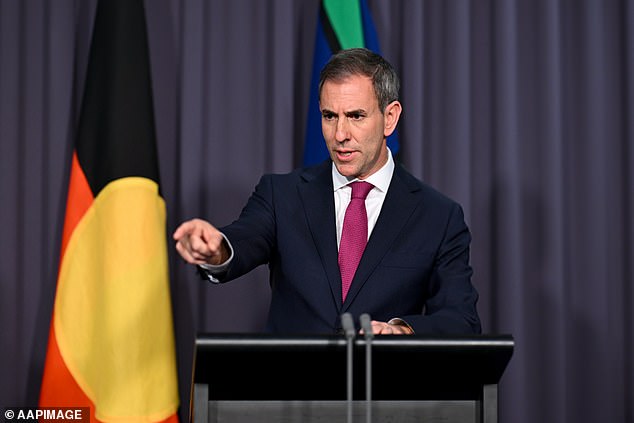
Jim Chalmers, the Treasurer, indicated that the report advocates for further investments in Medicare and the Pharmaceutical Benefits Scheme, alongside the establishment of urgent care clinics. He highlighted the potential challenges posed by a growing and aging population on long-term budget sustainability.
“While certain aspects of the intergenerational report are challenging, it is not a pessimistic outlook,” Chalmers remarked during an appearance on News24‘s Sunday Agenda program. He further noted that Australia is well-prepared to navigate the changes ahead.
By the mid-2060s, Australia’s population is expected to hit 39.3 million, but this figure is 1.8 million lower than earlier estimates from the 2023 report. The anticipated slowdown in population growth—around 0.9% annually down from 1.4%—is largely attributed to decreasing fertility rates as more women opt for smaller families.
Chalmers explained that nearly half of the drop in fertility rates results from fewer individuals choosing to have three or more children, as mothers tend to delay childbirth. The government’s initiatives aim to ease this decision, including subsidies for child care, enhanced parental leave, and increased superannuation contributions.
Opposition Leader Angus Taylor voiced concerns about young families, arguing that they should be able to afford to have children, although the Coalition has no current plans to reinstate the previous “baby bonus” policy.
The report predicts a reduction in future government debt by half a trillion dollars compared to earlier forecasts, with significant economic improvements anticipated from advancing technologies such as artificial intelligence.
“We face many challenges ahead, but there is also positive news on the fiscal front,” Chalmers added, emphasizing the diligent work necessary to manage ongoing pressures.
Previous advice from the Treasury indicated that AI could significantly boost productivity across both public and private sectors, provided Australia adapts to the global transition towards this technology.
Taylor criticized the government, suggesting that Labor is relying on overly optimistic productivity forecasts to justify future budget projections.
Editor’s Take
This report highlights crucial demographic trends that significantly impact Australia’s health and economic landscape. With increasing life expectancy paired with potential challenges in healthcare, there is an urgent need for proactive health policies. As the AI sector evolves, integrating technology into healthcare practices could pave the way for improved quality of life. Responsible resource management will be vital in ensuring sustainable growth in the coming decades.
Source: www.dailymail.com