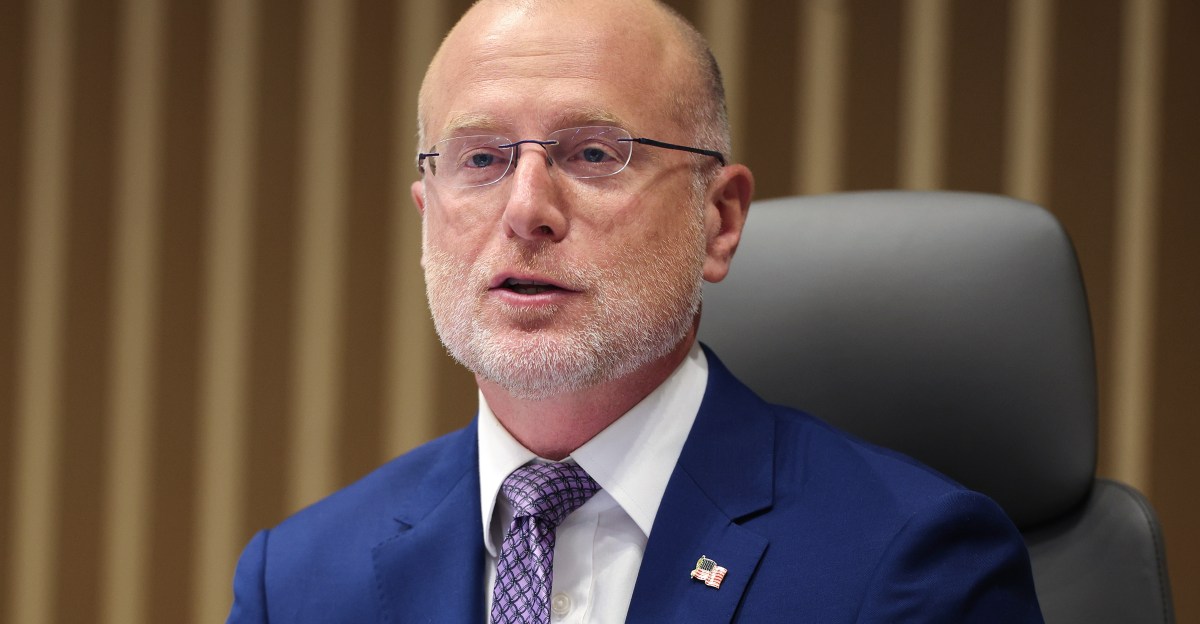
Brendan Carr’s FCC Prioritizes ‘The View’ Interviews Over Foreign Ownership of Paramount

The Federal Communications Commission (FCC) has made a significant announcement by waiving its regulations that restrict foreign equity ownership to 25% in the context of the Paramount-Warner Bros. acquisition. This decision allows for three sovereign wealth funds from Saudi Arabia, Qatar, and Abu Dhabi to acquire up to 49.5% of the combined media entity, raising concerns about foreign influence in American media.
During the tenure of Commissioner Brendan Carr, the FCC has exhibited aggressive tactics, including moves against networks like ABC, attempts to block broadcasts of interviews with Democrat politicians, and allegations of censoring late-night television personalities. Despite this, the commission appears untroubled by having repressive foreign governments take significant ownership stakes in a major U.S. media corporation.
In its ruling, the FCC defended this decision by stating that as the shares being acquired hold no voting rights, the foreign entities “will not be able to wield any influence, let alone control, over decisions involving the Licensees.” However, this stance has been met with skepticism.
Many critics, including the advocacy group Free Press and several Democratic lawmakers, have raised objections. Variety reported that Free Press contends that allowing any government to exert control over commercial domestic news media is alarming, particularly because of the potential for such media to serve as a propaganda platform.
Furthermore, Commissioner Anna Gomez, the FCC’s sole Democratic member, expressed her concerns on the platform X, asserting that granting some of the world’s most oppressive governments indirect control over a major American media company poses serious risks. “An investment this large in one of America’s biggest media companies doesn’t just buy equity; it secures influence over what gets said and made,” she tweeted.
Editor’s Take
This development underscores the growing intersection of foreign investment and American media. It poses vital questions about editorial independence and the potential implications for the integrity of news reporting in the U.S. As these foreign entities acquire influence, stakeholders in the media landscape must stay vigilant regarding the impacts on discourse, transparency, and public trust.
Source: www.theverge.com