

French Woman Documents Migrants in Life Jackets Near Her Home Amid Asylum Crisis

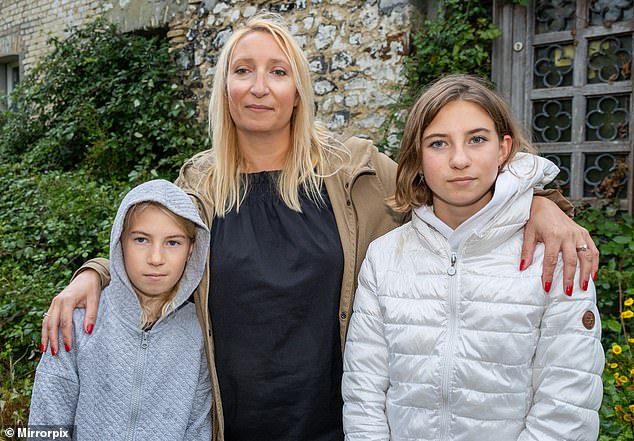
A recent account from a French resident has shed light on the growing concerns surrounding unauthorized migration along the coast of the English Channel. Héloïse Longuet, a 44-year-old mother of two, expressed her fears about the impact of migrants near her family farmhouse in Neufchâtel-Hardelot, situated south of Boulogne-sur-Mer.
Longuet noted that her 19th-century farmhouse has become encircled by young men residing in makeshift camps. Many have reportedly been drawn to the area by traffickers charging around £1,000 each for a spot on overcrowded inflatable boats heading for the UK.
Speaking to the Daily Mail, she said, “The property, which was meant to be a holiday retreat, has transformed into a gathering point for individuals attempting to reach the beach. They often check their devices for coordinates provided by smugglers before attempting to access the shoreline.” She mentioned that despite not having a direct route to the beach across her land, there had been at least three unauthorized incursions.
In an effort to safeguard her home, Longuet installed CCTV cameras with warning signs, but she has found herself increasingly anxious about the situation, particularly with two young daughters at home and minimal support from local law enforcement.
“It’s extremely frightening,” she said. “We see them in the forest living in unsanitary conditions, leaving behind a trail of rubbish.” Once a peaceful sanctuary for dog walks, the Hardelot beach has now become notorious for its use by smugglers, with attempts shifting away from Calais and Dunkirk to this more secluded area.
A recent tragic incident underscored the dangers, as a man in his thirties lost his life when a small vessel capsized, leaving six others, including a toddler, severely injured. In another incident in May, two women died from cardiac arrest aboard an overstretched boat departing from Hardelot.
Longuet highlighted escalating tensions, as frequent clashes have been reported between migrants and law enforcement who utilize tear gas to curb disorder. The strain intensified during summer heatwaves, when a series of fires ignited in the vicinity.
Longuet, who used to work as an estate agent and had previously shown empathy towards migrants—having met several during her career—now voices frustration towards the smugglers exploiting these vulnerable individuals. “I’ve encountered Afghans seeking a stable home in France, describing how, from dozens, only a few survived the perilous journey,” she shared.
While the mayor of Neufchâtel-Hardelot, Paulette Juilien-Peuvion, acknowledged that local residents often feel unsafe, she also expressed compassion for the hardships faced by migrants who have left everything in search of a better life. Reports suggest that up to 600 migrants could be present in the town at any given time.
Despite the challenges, French authorities assert they are making progress in managing the situation, having prevented 185 crossing attempts since signing a new phase of cooperation with the UK in April. This agreement, backed by £660 million from UK taxpayers, aims to bolster policing and disrupt criminal activities tied to smuggling operations.
This year, approximately 15,897 migrants have crossed the Channel—down 43% compared to last year—though the record number of crossings from single boats remains a concern. Home Secretary Shabana Mahmood emphasized that the new UK-France deal is yielding tangible results in curbing crossings and dismantling the criminal networks at play.
Editor’s Take
This situation highlights the complexities of migration and public safety in border regions. As local residents balance their concerns with empathy for migrants, the effectiveness of international cooperation in managing these issues is critical. It raises questions about how technology and stronger policies can work together to address both humanitarian and law enforcement needs.
Source: www.dailymail.com