


New Short Film Explores Dystopian Car Chase with Autonomous Threat
Road Rage, an upcoming short film, envisions an exhilarating and alarming car chase in San Francisco where the antagonist is not a human driver but an autonomous vehicle. This twist on traditional car chases reflects the cultural anxieties surrounding AI, Big Tech, and job displacement that have emerged as self-driving cars become commonplace in urban areas.
“It embodies the clash of technology—analog against artificial,” Thomassin stated in an interview with The Verge.
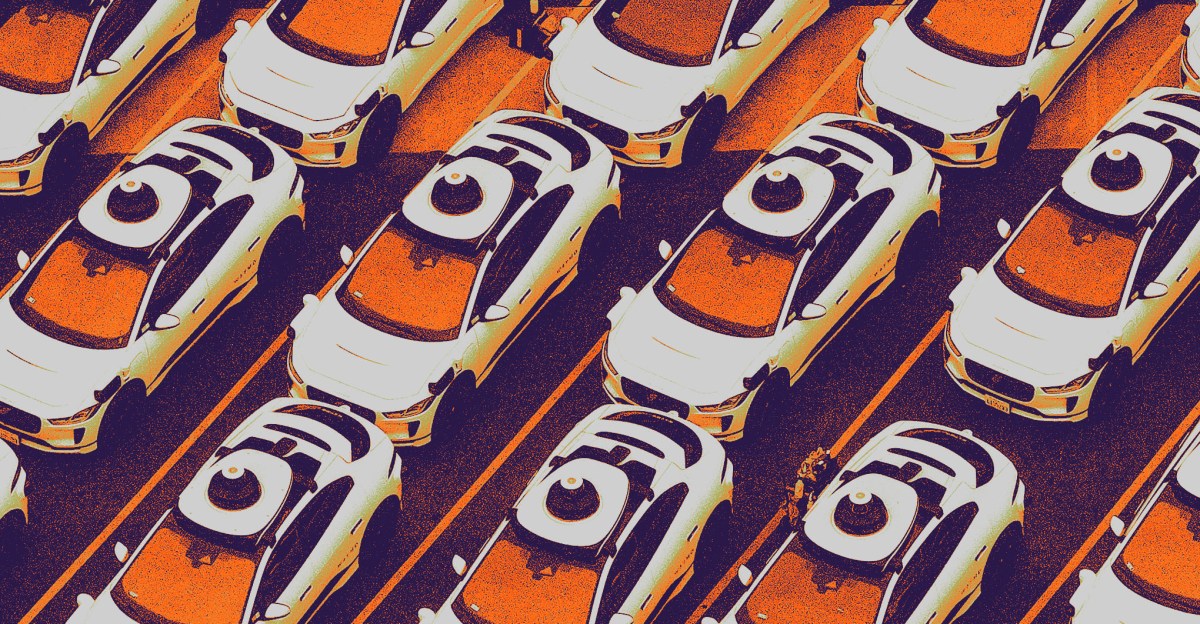
The villain in this short is represented by a retrofitted Prius, outfitted with menacing LED lights, faux cameras, and a spinning lidar-like device. Thomassin describes this creation as “a nasty Waymo,” aiming to merge the gritty aesthetics of classic car chases from the 1970s with the modern robocab landscape of San Francisco.
The film promises engaging action sequences featuring real cars and actors performing real stunts, aiming to channel the raw energy of traditional chase scenes.
“I really wanted to play the nasty, gritty look of the ’70s car chase, but with today’s robotaxi in today’s San Francisco.”
— Romain Thomassin
Central to the narrative of Road Rage is the idea that human connection is crucial. Thomassin notes that Joa’s authentic interactions with his passengers set him apart from the emotionless robotaxi. “This type of human interaction doesn’t happen in a robotaxi,” he noted.
While Thomassin does not see robotaxis as inherently malevolent, he acknowledges that such vehicles symbolize real-world tensions, especially concerning job competition. His protagonist, Joa, is a Mexican immigrant striving to survive in an increasingly expensive city, highlighting the economic pressures faced by individuals in the face of rising automation.
“Driving here serves as a metaphor for what’s occurring in cinema and filmmaking,” he explained.
The film delves into additional societal concerns, such as surveillance. Autonomous vehicles equipped with sensors and cameras raise issues about privacy, a fear that resonates with Thomassin more intensely than the notion of being driven by a machine.
In the story, this surveillance anxiety evolves into a dystopian narrative where autonomous cars could potentially act as instruments of control. He imagines a feature-length version portraying a reality in which these vehicles could trap passengers or even deliver them to immigration authorities, drawing chilling parallels between observation and control.
“The next step is that [autonomous vehicles] could become the police,” he reflected, noting the potential for connected fleets to amplify surveillance capabilities. “Imagine an army rising up.”
Robotaxis, already perceived as adversaries in cities, further complicate their role as antagonists. The public’s reaction to these vehicles has ranged from vandalism to outright hostility, with reports of people obscuring them with traffic cones and even setting them ablaze. Thomassin interprets these interactions as hostile behaviour that justifies the robotaxi’s quest for revenge in the film.
Roboride, he shares, reflects the behaviors it absorbs from its environment, learning road rage from the drivers it observes. “Humans are known to be the worst versions of themselves on the road,” he commented.
This portrayal provides a modern twist on the “killer car” trope from works like Christine by Stephen King. Instead of supernatural forces, the menace comes from an intelligent machine that learns and embodies humanity’s darker traits.
Contrasting Roboride is Joa and his manual transmission vehicle—an emblem of human agency. Driving stick is depicted as a fundamentally human act that requires physical engagement with the road, showcasing instinct and unpredictability as essential traits that help Joa outsmart Roboride during their confrontations.
“Respect your madness. Be a little mad and creative in your way of doing things, and you will be able to rise against the machines.”
— Romain Thomassin
While skeptical of AI’s potential, Thomassin is not adverse to using the technology. The production team is considering incorporating AI-generated imagery to depict what Roboride perceives, while filming the human experience through traditional cinematography. For Thomassin, using AI as a creative tool serves the narrative rather than replacing human workers.
Despite his concerns about autonomous vehicles, Thomassin is comfortable using them. He often rides with Waymo when visiting friends and family, stating, “I don’t feel in danger,” reinforcing a nuanced view of the technology. The narrative emphasizes that the true fear isn’t that robots will malfunction, but rather that they will function all too well—echoing a chilling potential in the near future.
Editor’s Take
This development highlights the growing cultural and technological tensions surrounding autonomous vehicles. As technology evolves, filmmakers are exploring the implications of AI in everyday life, stirring discussions about privacy, control, and human interaction in a rapidly changing world. The portrayal of robotaxis as antagonists may resonate with audiences who feel displaced by technological advancements, casting a spotlight on socio-economic issues that are becoming increasingly relevant.
Source: www.theverge.com