

Which? Reveals Booking.com’s ‘Unfit’ Checks After Fake 10 Downing Street Listing

Consumer group Which? has revealed significant vulnerabilities in online booking platform Booking.com after successfully creating a fake listing for the iconic 10 Downing Street, the official residence of the UK Prime Minister. This incident highlights ongoing concerns regarding the integrity of online travel platforms.
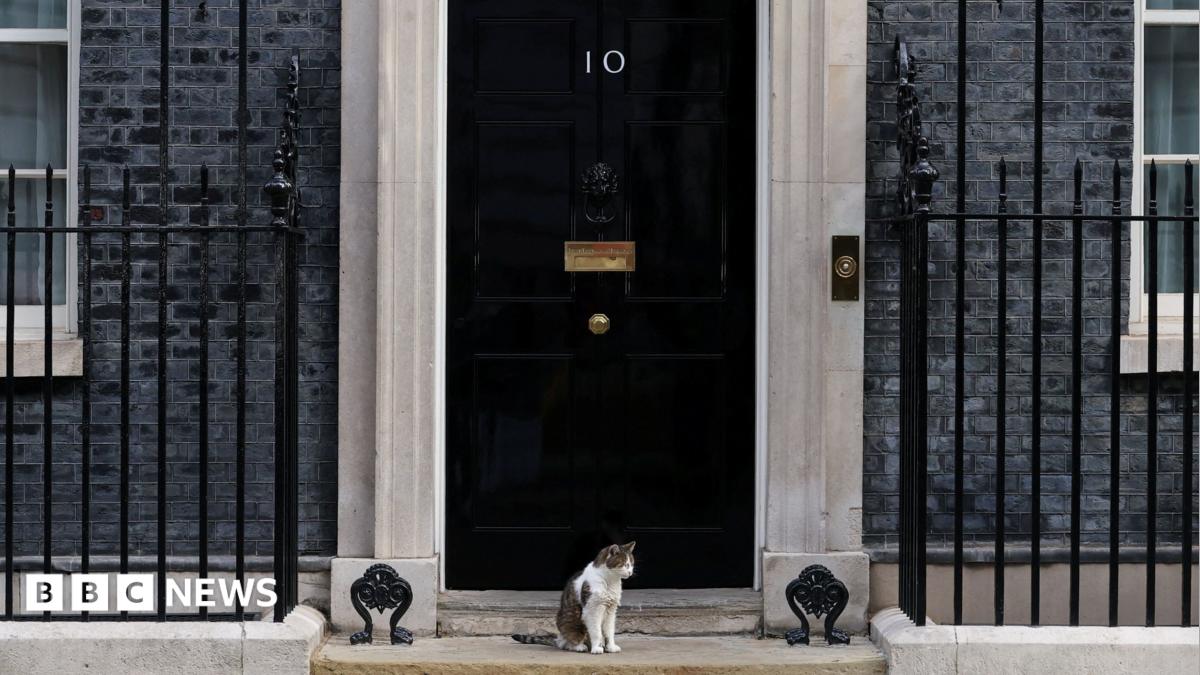
Researchers from Which? managed to reserve a fictitious stay at the Prime Minister’s residence, even leaving a fabricated review that humorously noted their experience of “hanging out” with the resident cat, Larry. The consumer advocacy group underscored that despite evident signs indicating the listing was fraudulent, it remained active on the platform for nearly two months before being removed.
A spokesperson for Booking.com responded to the allegations, emphasizing that this isolated test does not accurately represent the millions of listings on their platform. The spokesperson explained that the fraudulent listing was not visible to the general public for the entirety of its two-month presence, as it was only accessible during a brief 20-minute window set by Which? for their testing purposes.
Moreover, they stated that some of their automatic fraud detection measures did not activate because the listing was marked as “closed.” Booking.com maintains that they employ a variety of verification checks and are aided by AI technologies that can identify and remove most fraudulent listings within a 24-hour timeframe.
However, Rory Boland, the Travel Editor at Which?, criticized the effectiveness of these systems, arguing they are not suitable for safeguarding users. He highlighted the absurdity of a system that failed to recognize that 10 Downing Street is not a vacation rental, questioning how easily scammers might exploit such vulnerabilities.
Boland expressed concern for holidaymakers who could potentially lose significant amounts of money to fraudulent listings and phishing attacks, emphasizing that while the situation is humorous, the consequences could be severe.
Despite this incident, Booking.com has faced scrutiny before regarding its security protocols and customer service quality, raising questions about the effectiveness of their fraud prevention measures.
Editor’s Take
This incident underscores critical gaps in the security frameworks of prominent online platforms. As users increasingly rely on technology for travel bookings, the ability of companies like Booking.com to detect and prevent fraudulent listings will be vital for maintaining consumer trust. Enhanced verification systems and AI capabilities are essential not only for protecting users but for the overall integrity of the digital marketplace.
Source: www.bbc.co.uk