

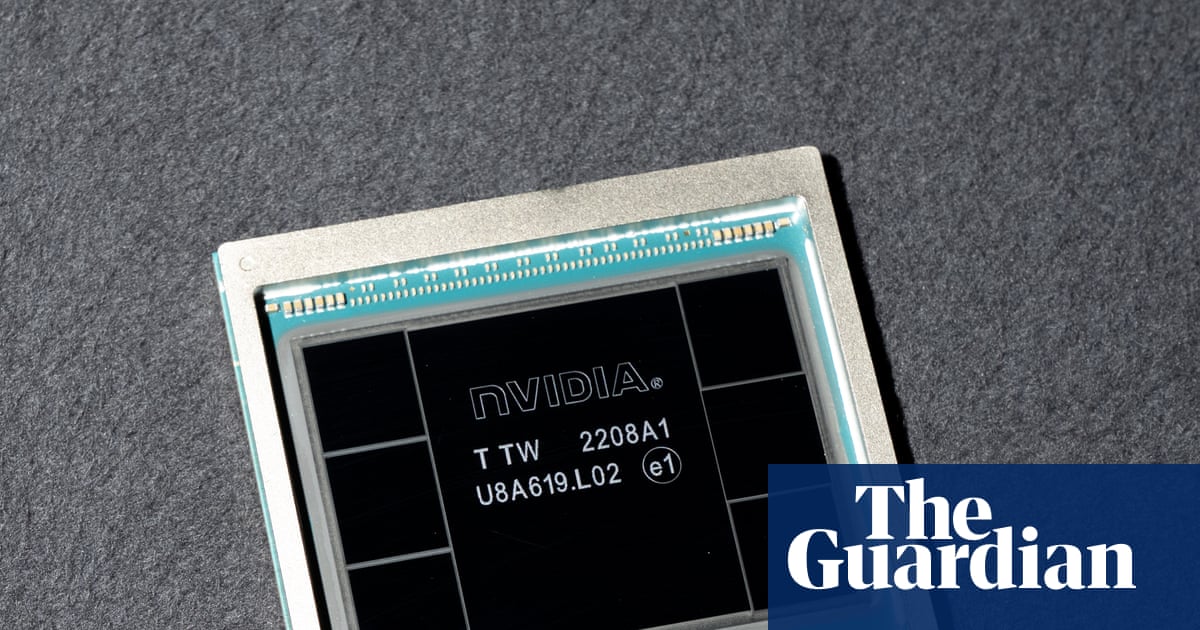

Taiwan’s prosecutors have recently charged nine individuals, including an employee from Nvidia and two from Super Micro, for the unauthorized export of advanced AI servers to mainland China. This development intensifies the ongoing technology rivalry between the United States and China.
According to the authorities, the servers in question are equipped with B300 graphics processing units (GPUs), which are currently prohibited from being sold to China. Prosecutors reported that 74 such servers successfully made their way to Chinese territory. The logistics involved 50 servers shipped via Indonesia, 16 delivered directly, while eight were routed through Japan before reaching Hong Kong and then China.
Another attempt to export 56 servers was thwarted, and those units remain in Taiwan, as stated by the prosecutor’s office.
The battle over AI infrastructure, particularly advanced semiconductors largely manufactured in Taiwan, has emerged as a significant focal point in the escalating competition between the US and China. In 2022, the US government started implementing restrictions on the export of advanced chips by Nvidia to China, with further tightening in subsequent years. By April 2025, the US had mandated that licenses must be secured for the export of Nvidia’s H20 chips to China, although selective sales were resumed later that year.
As per the export controls, any sale involving high-end AI servers necessitates a rigorous review process. A document from the Keelung District prosecutors’ office indicated that purchases exceeding eight high-end servers require on-site checks by company personnel.
Nvidia’s spokesperson, Patrick Rutherford, commented, “We will work with the Taiwan authorities to help them resolve the allegations as quickly as possible.” Meanwhile, Super Micro stated that the arrests of its former employees occurred due to its collaboration with Taiwanese authorities and affirmed its commitment to strengthening its export compliance program to safeguard American innovation.
The prosecutors are seeking maximum five-year sentences for four of the defendants, including an Nvidia manager simply identified as “Chang.” He is noted as the “key figure” who authorized the release of the B300 GPUs but exhibited a “clearly poor attitude” after the offense, based on the official document.
Some of the accused had established a company in Japan that facilitated the successful transfer of eight servers, while others allegedly created false websites and falsified information to bypass export regulations.
Editor’s Take
This incident underscores the growing scrutiny on tech companies involved in cross-border trade, particularly in high-stakes areas like AI. For businesses, compliance with export regulations is now more critical than ever, as governments tighten controls over advanced technologies. This trend could hinder innovation and collaboration but also emphasizes the importance of robust compliance frameworks in the tech industry.
Source: www.theguardian.com