


A 12TB Steam “Teraleak” Unveils a Decade of Lost Gaming Content
A significant leak from Steam has emerged, revealing over 12TB of content that includes cut elements from Portal 2 and hints at the long-rumored Half-Life 2: Episode 3. This archival treasure trove encompasses a vast range of data from titles available on Steam between 2003 and 2013, providing a rare glimpse into the developmental history of numerous beloved games.
The leak, marketed as an “as-complete-as-possible” content server dump, originates from Steam’s obsolete Steam2 server architecture. Reports indicate that the data is currently circulating via a BitTorrent tracker, with Valve unlikely to eliminate it from the internet completely. This substantial archive includes thousands of “depots” which encompass not only public releases but also previously unseen pre-release and prototype versions of various games published under the Steam umbrella.
Understanding Steam’s Evolution
The leaked contents cease abruptly in 2013, coinciding with Valve’s transition to the new SteamPipe content distribution system. This upgrade streamlined file distributions and eliminated several update bottlenecks, fundamentally changing how games were archived and managed. As a result, many early versions of games were forgotten and deemed unrecoverable, existing only on outdated local machines.
Despite the assumption that these early builds were lost to time, data miner Gabe Follower has confirmed that the contents of the teraleak were accessed through a publicly reachable API endpoint. This raises questions regarding the security integrity of Valve’s archives.
Spanish-speaking gaming analyst Scolcer corroborated this enthusiasm by stating that this leak was entirely accessible to the public, lacking any protective barriers and simply hidden in plain sight.
Community Reactions and Discoveries
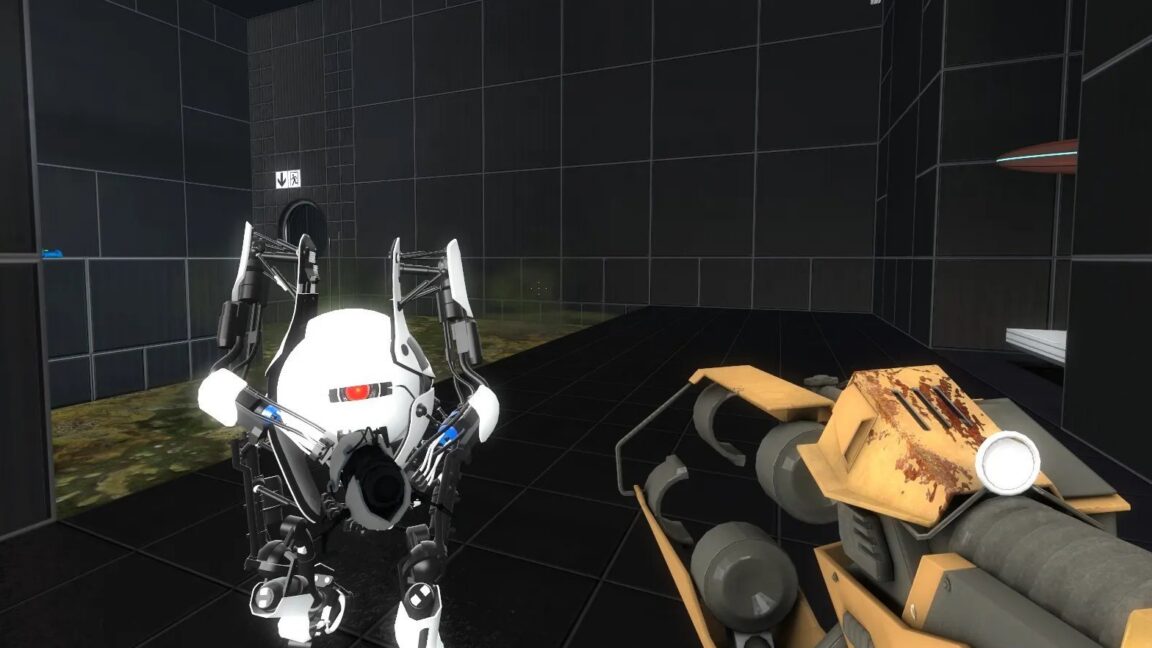
As gaming enthusiasts dive into the teraleak, they are uncovering fascinating revelations, particularly from playable versions of Portal 2. Among the most talked-about finds is newly discovered dialogue featuring GLaDOS and formerly deleted scenes that feature Cave Johnson, who expresses darkly humorous sentiments in cut dialogue.
While no playable versions of Half-Life 3 appeared in the leak, data trackers have identified files linked to the delayed Episode 3. Additionally, there are beta versions of popular titles like Left 4 Dead 2 and CS: GO, as well as early designs related to the canceled game F-Stop.
The teraleak also covers various unreleased prototypes from third-party publishers associated with Steam, including early iterations of games like Spore and Dragon Age: Origins. These documents serve not only as a nostalgic reminder of past gaming ventures but also as a study into game development methodologies.
Legal Implications and Industry Reactions
Despite the excitement within the gaming community, the implications of such a substantial leak are not without concern. The presence of third-party content in the archivally rich leak raises potential legal issues. Many analysts urge caution when handling these files, given the risk of copyright infringements.
The situation highlights the vulnerabilities inherent within Valve’s content management systems, drawing parallels to past data breaches in the gaming industry, including the infamous Nintendo gigaleak that similarly revealed hidden histories.
Editor’s Take
This teraleak is not only a remarkable find for enthusiasts but also serves as a stark reminder of the importance of digital security in preserving gaming history. It raises awareness about the vulnerabilities within major gaming companies and can potentially lead to improved practices in data handling and security measures within the industry.
Source: arstechnica.com