

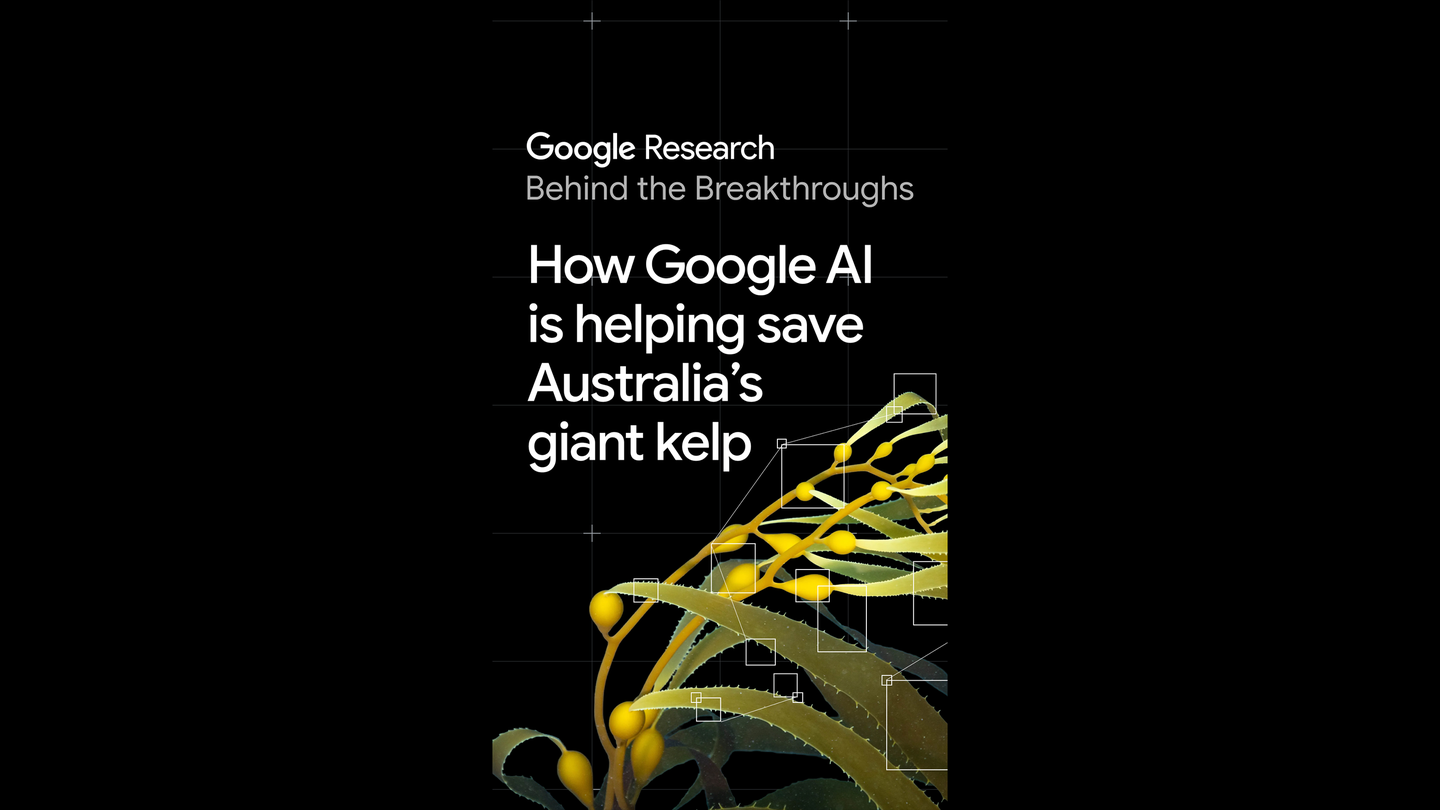

Scientists Leverage Google AI to Revive Disappearing Giant Kelp Forests
Giant kelp forests, vital ecosystems that protect coastlines and provide habitats for diverse marine life, are facing severe decline due to ocean warming. As global leaders gather for COP31 this week, a significant partnership between Google and Australia’s national science agency, CSIRO, is employing cutting-edge AI and genomics to aid in the restoration of these underwater forests.
A Groundbreaking Approach to Conservation
Recent advancements by the research team include the publication of two high-quality reference genomes for Australian giant kelp. This foundational genetic data is crucial for ongoing conservation genetics efforts aimed at reversing the alarming decline of kelp populations, which have fallen to just 5% of their historic numbers along the Tasmanian coastline.
Using Google’s open-source AI tool, DeepVariant, researchers have also analyzed DNA from 600 wild giant kelp specimens collected from 40 sites. This genetic analysis forms the basis for lab-based cross-breeding studies that aim to create resilient, heat-tolerant kelp variants capable of thriving in warming ocean conditions.
Real-World Impact and Future Directions
The ultimate goal of this research is not just theoretical; it is paving the way for practical solutions to restore giant kelp forests. By planting diverse, heat-tolerant specimens, scientists hope to rejuvenate these essential underwater ecosystems. This initiative is part of Google Australia’s broader Digital Futures Initiative, which focuses on leveraging technology for environmental and societal benefits.
Furthermore, the integration of AI tools into conservation efforts illustrates a growing trend where different models can provide tailored analyses and support various stages of scientific research. Scientists can now explore different AI capabilities in one platform, streamlining their workflows and enhancing the efficiency of their restoration strategies.
Why This Matters
The decline of giant kelp forests poses significant risks to marine ecosystems and coastal protection mechanisms. By harnessing AI technologies, researchers are better equipped to tackle the challenges posed by climate change, making strides towards restoring the balance of oceanic environments. As COP31 highlights the urgency of addressing global environmental issues, innovations like these signify hope for a more resilient planet.