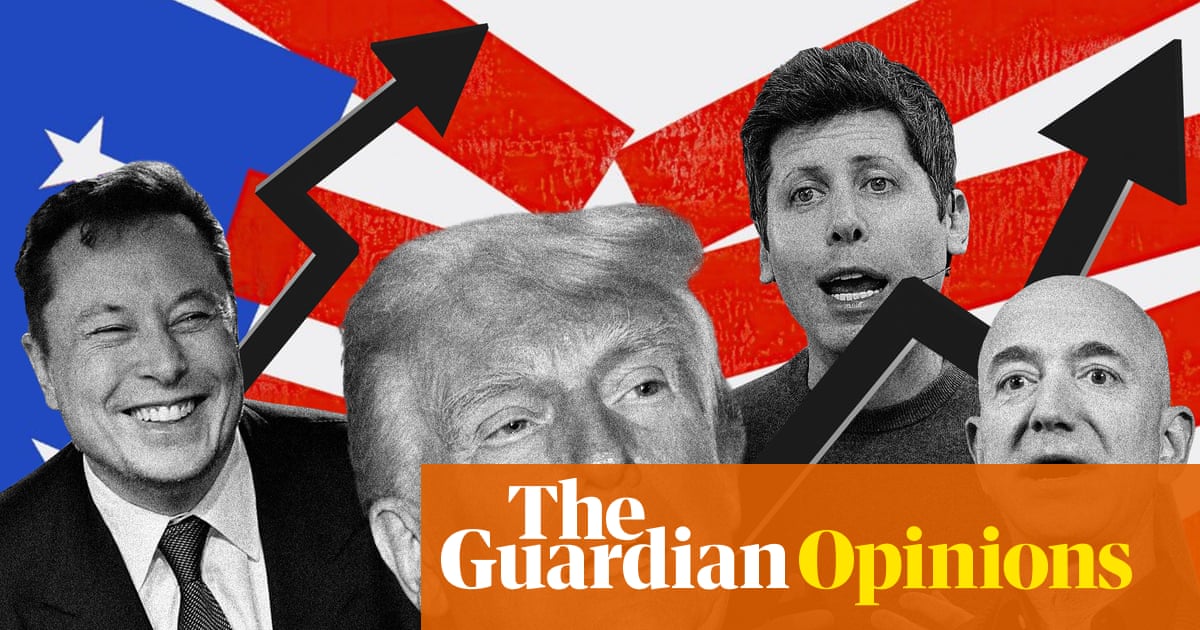
Class Politics Undermine Trump’s Coalition of Billionaires and Blue-Collar Workers

The political landscape in the United States has undergone a significant transformation, as evidenced by the recent shifts in electoral results. Just a year ago, many were heralding the return of Donald Trump and asserting that old political norms were being discarded. Columnists and corporate leaders believed this marked a new chapter where provocative language and behavior were more accepted.
One prominent banker expressed a sense of liberation, stating, “We can say ‘retard’ and ‘pussy’ without fear of being canceled …” suggesting a cultural shift that benefitted an alliance between tech leaders and blue-collar workers. This unique connection was a hallmark of Trumpism, which managed to bring together disparate groups, from minimum-wage employees to ultra-wealthy elites.
However, the recent midterm elections served as a stark rebuke to Trump’s influence. Despite hefty financial backing from wealthy donors like Elon Musk, who invested billions into candidates aligned with Trump, the walls of his coalition began to crumble. A traditional class-based political dynamic has resurfaced, highlighting the struggles of middle-class Americans coping with rising living costs.
Election analysts report that the concerns of ordinary citizens trying to afford basic necessities have become a pressing political issue. Critics within the Democratic establishment may attempt to label these as mere “economic issues,” but they stem from deeper inequities. Zohran Mamdani, a democratic socialist from New York, has articulated a platform that directly links the cost of living with income imbalances, gaining him significant influence ahead of future elections.
Decades of tax reforms across both Republican and Democratic administrations have disproportionately benefited the wealthy. The wealthiest 400 households now enjoy lower tax rates than half of all Americans. Research from economists such as Fred Magdoff and John Bellamy Foster indicates that the proportion of national income going to regular workers has declined dramatically, contributing to a growing crisis affecting the working class.
Meanwhile, the economy’s reliance on artificial intelligence (AI) has intensified. Recent data reveals that investment in AI infrastructure has dominated GDP growth, yet these gains are concentrated among a small elite in Silicon Valley. A report from Apollo highlights that while some tech firms thrive, the majority of the S&P 500 companies have seen stagnant revenues.
As the fallout from this midterm election continues, it is notable that issues surrounding data centers—often criticized for their environmental impact—factored significantly in electoral outcomes, especially in Texas. Despite substantial financial support for the Republican party, districts with data centers saw an unexpected realignment of voters towards Democratic candidates.
In the wake of these results, candidates such as James Talarico have captured attention by focusing on anti-datacenter agendas, successfully flipping districts that were previously solidly red. Talarico’s post-election remarks emphasized that the real struggle in America is not simply about political parties, but rather about the growing divide between the affluent and ordinary citizens.
The recent electoral trends suggest a newfound direction for the Democratic party—emphasizing anti-corruption, anti-war, and anti-wealth concentration. Candidates like Troy Jackson and Abdul El-Sayed have received acclaim for their bold stances on immigration reform and healthcare, indicating a shift in political priorities that could redefine future campaigns.
As political analysts reflect on the ramifications of this election, it is crucial to acknowledge that while former President Trump remains a significant figure, the narrative is shifting. His controversial assertion that he could act without repercussions may now seem less credible as a more unified progressive movement gains traction.
Editor’s Take
This election marks a pivotal moment, highlighting a resurgence of class-based politics in the U.S. The shift could lead to significant changes within both major parties, urging them to address deep-rooted economic inequalities. For voters and businesses alike, the implications are profound as the conversation evolves beyond traditional partisan divides to tackle the realities of income inequality.
Source: www.theguardian.com