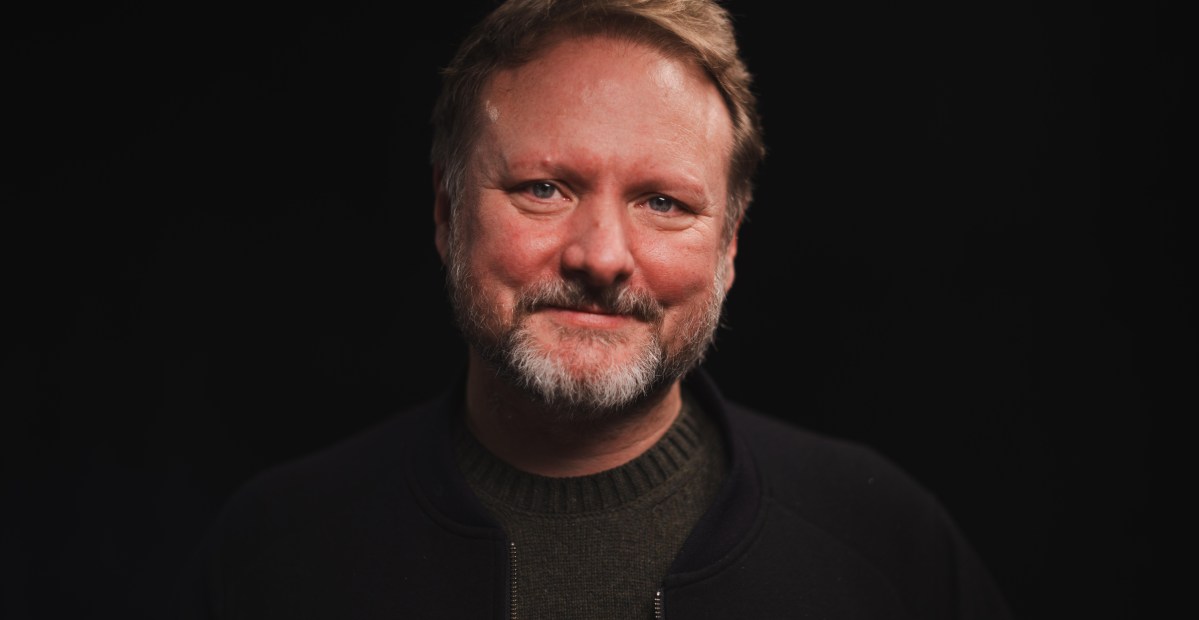

Rian Johnson Launches Chromagraph Camera App to Transform iPhone Photography
Renowned filmmaker Rian Johnson, known for his work on Knives Out and The Last Jedi, has taken strides in enhancing smartphone photography. A dedicated fan of analog photography, he often carries his Leica M6 to capture behind-the-scenes moments. However, he found himself curious about how to infuse the cinematic qualities of his film work into photographs taken with his iPhone.
The outcome of this contemplation is the newly launched Chromagraph Camera, a $13 iOS application. This innovative app circumvents certain elements of Apple‘s image processing pipeline to replicate the visual style employed in Johnson’s films. Developed in collaboration with his longtime cinematographer, Steve Yedlin, the app boasts straightforward settings, allowing users to access professional-level image processing techniques.
Reflecting on his journey, Johnson remarked, “While I cherish my Leica and other photographic equipment, carrying a large camera can be cumbersome. Having my phone at all times is simply more convenient.” Over the years, he has experimented with smartphone photography since his first Nokia phone, which had a surprisingly effective camera for its time, despite its limitations.
Although the evolution of smartphone cameras has vastly improved image clarity and brightness, it has often come at the cost of character. Modern images tend to be crisp and polished, lacking the distinctiveness once prevalent in earlier photography. Working around this usually involves shooting in RAW format and extensive post-editing, which can be time-consuming.
Recently, smartphone manufacturers have introduced features to enhance photographic character. The latest iPhone 18 Pro includes texture panels featuring film grain and halation options, while Google’s Pixel 11 adds a “Camera Looks” panel. Nevertheless, these features do not provide the same level of customization as starting with RAW images.
Yedlin is a staunch believer that, with the right algorithms and settings, discerning differences between film and digital images can be virtually impossible. He initially worked on color grading scripts aimed at achieving a traditional film look for Johnson’s projects, which eventually enabled them to apply movie-grade color processing to still images. This success inspired Johnson to adapt similar principles for mobile photography.
“I had faith he could achieve this,” Johnson said about Yedlin. “I continually pressed him to adapt these processes for iPhone photography.” The Chromagraph Camera allows not just new captures but also permits editing of existing RAW images, making it a dual-purpose tool for creators. Users can experiment with various settings like tone, color, and texture to refine their images dramatically.
As the app gains traction, initial feedback on social media has highlighted its potential to surpass the default Apple settings, capturing the interest of photography enthusiasts. Although the user interface remains a work in progress, the underlying processing power is what sets Chromagraph apart.
Despite his excitement for this digital innovation, Johnson maintains a fascination with more traditional photographic techniques. He passionately discussed his experiences with 8 x 10 wet plate photography, expressing delight in experimenting within his newly configured darkroom. “It’s an adventure in the process of creation for me,” he noted.
Photography by David Imel / The Verge
Editor’s Take
The introduction of the Chromagraph Camera app signals a significant push towards synthesizing traditional film aesthetics with modern digital photography. For users, this tool offers a unique opportunity to explore creative dimensions previously restricted to film professionals. It could also inspire other developers to innovate further in the realm of smartphone photography, blending the lines between professional and casual use.
Source: www.theverge.com