
Google Uncovers and Dismantles Botnet Operating on 1.3 Million Android TV Boxes

Curbing the Botnet Threat
Google, in collaboration with various organizations including Japan’s National Police Agency, Synthient, and Trend Micro, has successfully disrupted the malicious x.cpe network. The tech giant has undertaken legal measures to dismantle the domains and servers utilized by Videostrong in operating and installing its malware. Google also targeted command and control servers associated with Videostrong, which were involved in a wider range of malware activities. Estimates suggest that this crackdown has severed access to approximately 10 million compromised devices.
While this intervention is a positive step towards making affected devices safer, users should remain cautious. Play Protect remains inactive, and dormant malware components continue to reside on the devices. These components are installed as system apps, making them difficult for users to remove independently.
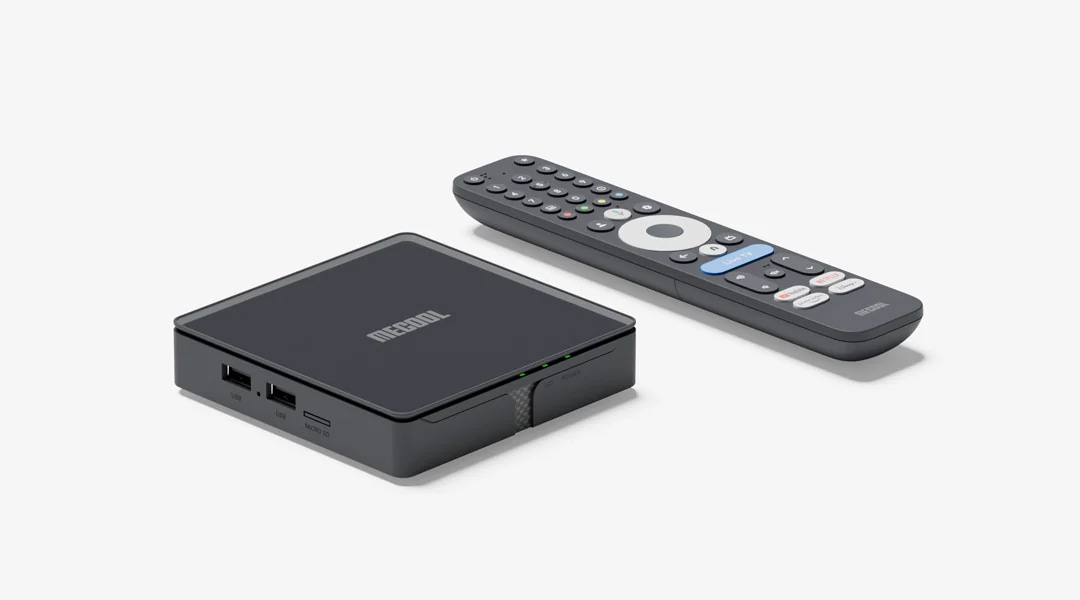
Synthient has published a comprehensive list of 182 device models that are part of this botnet, highlighting the need for individuals who own a MECOOL or any other unverified Android TV box to verify their devices. According to Trend Micro, a staggering total of 1,472,554 devices were identified as infected, exceeding Google’s earlier estimates. The majority of these devices were located in countries including Brazil, Malaysia, Iraq, Mexico, and Taiwan, with tens of thousands also affected in the US, Germany, the UK, Australia, and Canada.
Investigations revealed that this operation was not an isolated incident by a rogue entity. Consequently, Google has severed all ties with Videostrong, prohibiting the company and its subsidiaries from utilizing Google’s Android apps and services.
In response to this incident, Google is enhancing its certification process to address the security loophole that allowed Videostrong to exploit certified devices. However, given that Android is an open-source platform, a multitude of unverified Android-based TV boxes exist in the market. This means Videostrong could potentially continue selling malicious devices under different brands, albeit without access to Google’s applications. Nevertheless, they would face the significant challenge of reconstructing their malware infrastructure from the ground up.
Editor’s Take
This development is crucial as it not only protects millions of users from potential security threats but also highlights the ongoing challenges in managing malicious software within the open-source ecosystem. For businesses and developers, it underscores the importance of robust security measures and responsible practices in device certification. As the landscape of digital security evolves, this incident serves as a wake-up call to remain vigilant against emerging threats.
Source: arstechnica.com