
Fujifilm Plans 5x Increase in Tape Production to Meet Rising AI Archiving Demand

Fujifilm has announced a significant investment of approximately 10 billion yen (around $63 million) aimed at boosting its production capacity for magnetic tape by a staggering five times. This move is driven by the rising demand for archiving solutions, largely attributed to the expansion of generative AI, which is creating an “exponential growth” in global data requirements.
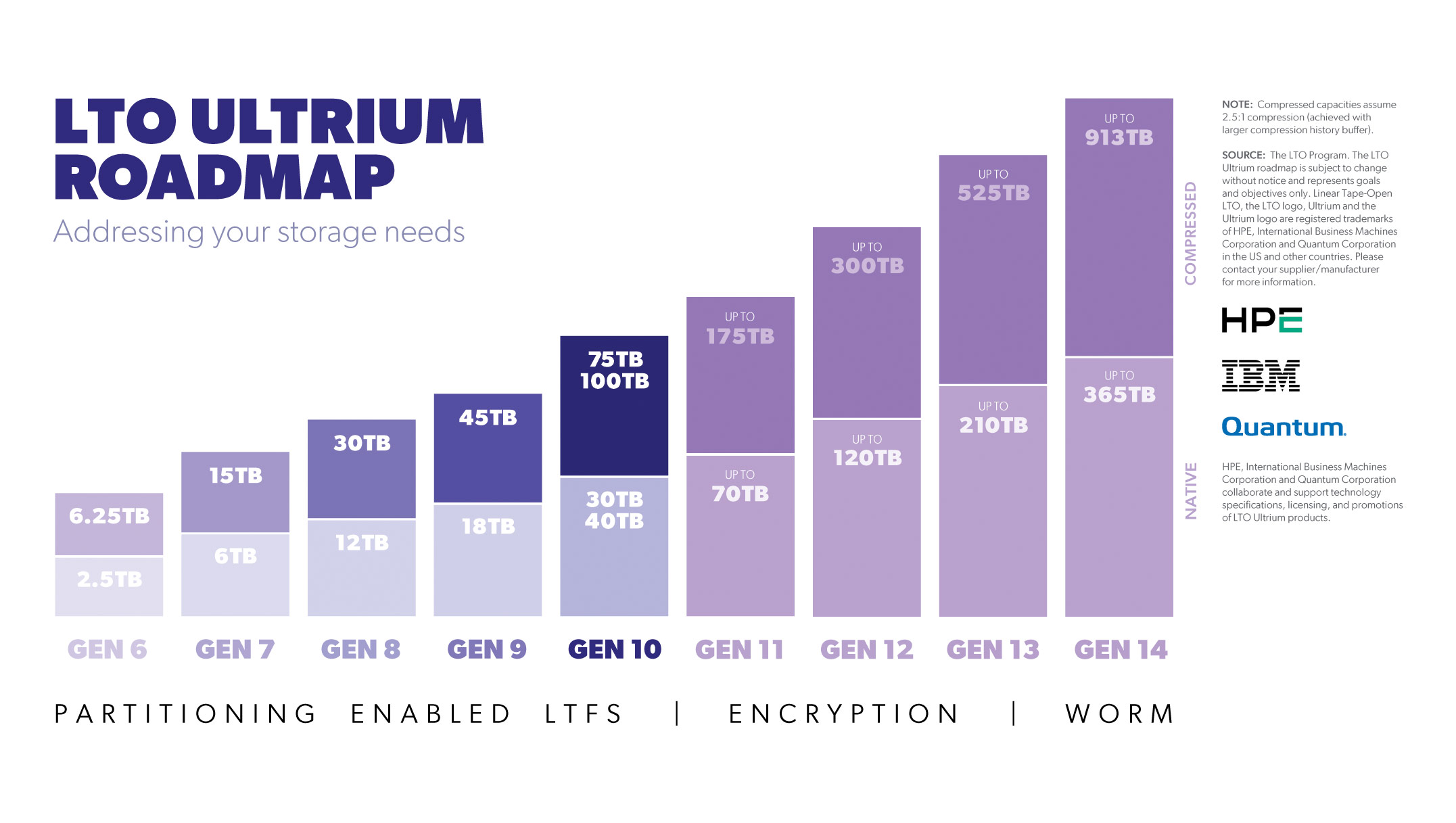
The increase in production is set to be evaluated against the production levels of fiscal year 2025. The funds will be directed towards Fujifilm’s Kanagawa Factory located in Odawara, marking it as the company’s largest investment in dedicated LTO (Linear Tape-Open) tape facilities to date. This initiative, set to unfold from 2026 to 2028, will facilitate the expansion of manufacturing capabilities and hiring of additional personnel, primarily focusing on the latest iteration of their tape product, the FUJIFILM LTO Ultrium10.
While magnetic tape may seem outdated to the average consumer, it remains indispensable in the enterprise sector. Major cloud service providers depend on tape for backing up vast quantities of data. Fujifilm has been involved in the magnetic tape industry since the 1950s, and it introduced its inaugural LTO Ultrium storage tape in 2000. The company made a significant breakthrough in 2011 as the first to commercially produce tape using barium ferrite magnetic particles, and more recently, in 2025, they launched the LTO Ultrium10, which creatively utilizes a combination of barium ferrite and strontium ferrite technologies to enhance storage capabilities.
Fujifilm states that key players in the cloud services and data center sectors are increasingly turning to magnetic tape due to its capacity to handle extensive data volumes at a relatively low cost. The nature of tape storage allows for easy disconnection and secure storage options, whether in a drawer, vault, or separate facility. Furthermore, Fujifilm highlights the critical role of tape in air-gapping, which provides a robust defense against cyber threats, including sophisticated ransomware attacks. The resurgence of interest in magnetic tape as a data protection strategy underscores its evolving relevance in today’s digital landscape.
Credit:
LTO.org
Editor’s Take
This investment by Fujifilm underscores a noteworthy shift in data storage dynamics, driven by increasing data preservation needs in the age of AI. As businesses recognize the benefits of tape, we might see a resurgence in its adoption, particularly for long-term data security. This development not only highlights magnetic tape’s longevity but also its adaptability to modern technological challenges.
Source: arstechnica.com