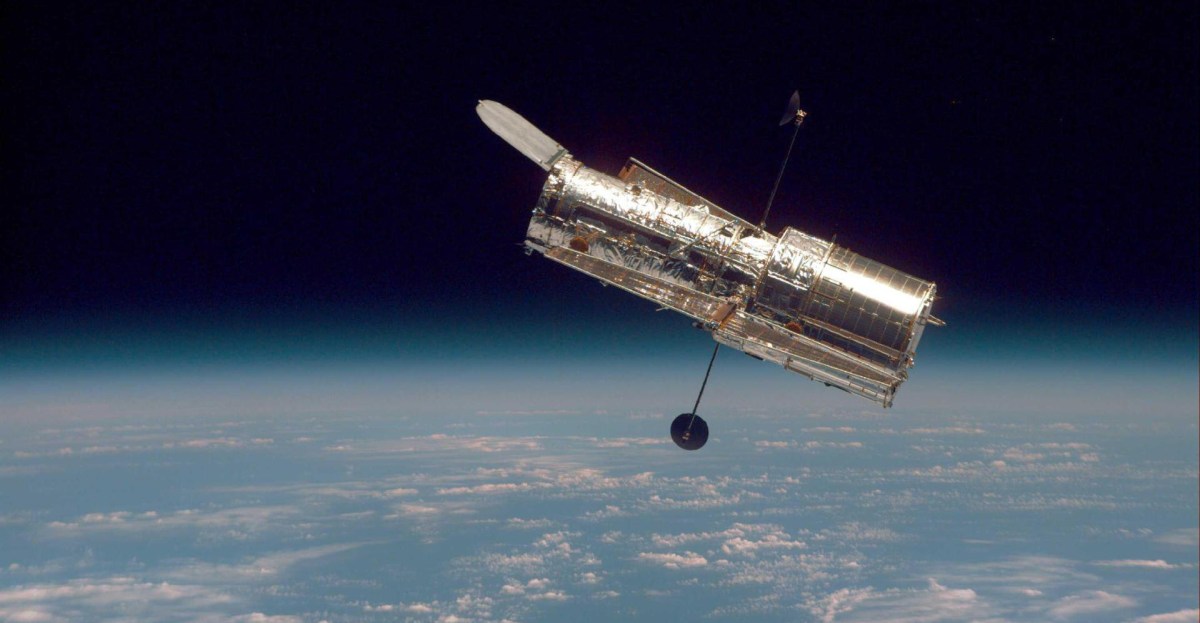

The Hubble Space Telescope, an iconic instrument in astrophysics, faces a pressing challenge as it slowly drifts towards its eventual retirement due to the relentless pull of gravity. Although the telescope is not at risk of immediate reentry into Earth’s atmosphere, experts anticipate that without intervention, its operational life could end by the early to mid-2030s. In a bid to prolong the legacy of this astronomical marvel, NASA is now inviting proposals from private companies to explore potential solutions for boosting its orbit.
NASA officials emphasized the importance of Hubble’s mission, stating, “Hubble still has important science ahead of it, and we should be looking at every reasonable opportunity to keep it delivering for as long as possible … If there are innovative and cost-effective ways to extend the life of an asset already on orbit, we owe it to the American taxpayer and the scientific community to explore them. Extending Hubble’s life would mean more discoveries, more science, and more opportunities to expand our understanding of the universe.”
The ongoing contributions of the Hubble Space Telescope to our understanding of space cannot be understated. As it continues to provide valuable data and stunning imagery, the urgency for intervention has become clear. The *telescope’s* current operational strategy relies heavily on its altitude; boosting its orbit could significantly extend its lifespan and scientific output.
As *NASA* looks to the private sector for innovative technical solutions, this initiative not only highlights the importance of collaborative efforts in space exploration but also showcases the potential of public-private partnerships in addressing pressing challenges in space technology.
Editor’s Take
This development is crucial for both scientific research and technological innovation. Involving private companies in extending the life of the Hubble Telescope emphasizes the necessity of collaboration in tackling complex issues. For the scientific community, it could mean enhanced discoveries and a deeper understanding of the universe, benefiting both academia and the broader public.
Source: www.theverge.com