Artist Alleges AI Misappropriating Indigenous Australian Art, Producing ‘Temu Slop’

Indigenous Artist Calls Out AI for Appropriating First Nations Art
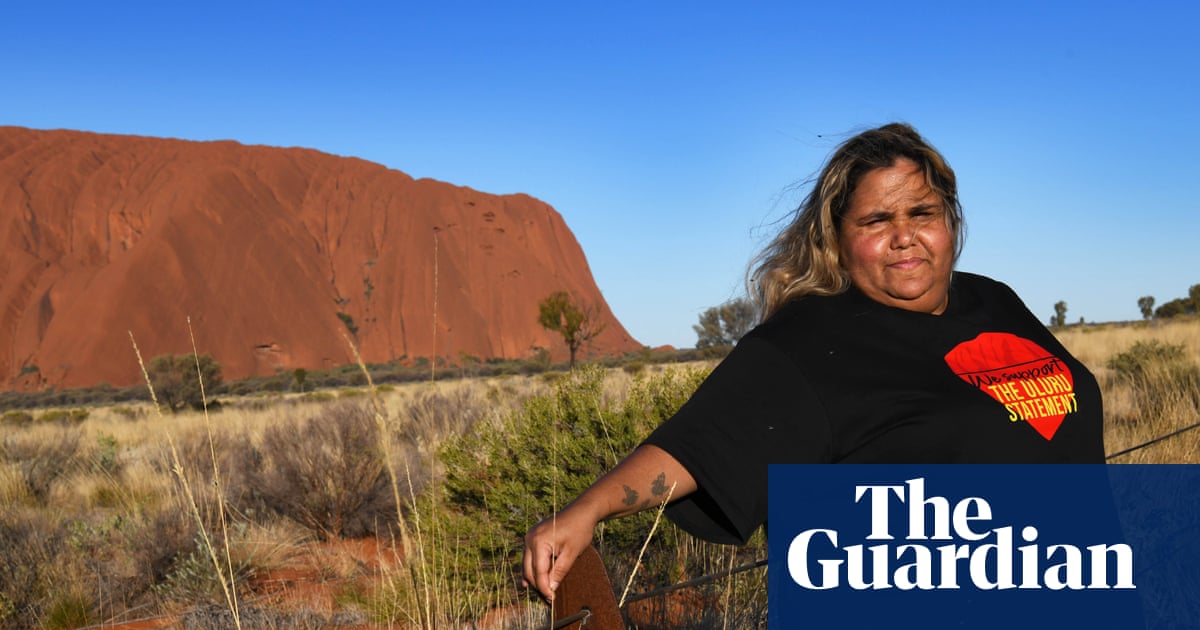
Sally Scales, a Pitjantjatjara artist and chair of the National Gallery of Australia’s First Nations advisory group, has voiced her concerns regarding artificial intelligence’s role in transforming Indigenous art into what she describes as “Temu slop.” Scales argues that this technology undermines the authenticity and agency of First Nations artists, framing it as a theft of cultural heritage.
Despite assurances from Prime Minister Anthony Albanese to safeguard Australian creatives against copyright infringement and Attorney General Michelle Rowland stating there are no intentions to weaken copyright protections, AI has already been trained on works from renowned Australian artists like Kylie Minogue and Nick Cave without any compensation.
Experts express particular alarm over the risks posed to Indigenous cultural and intellectual property rights. In an era where AI can quickly extract data from online sources, there are concerns about the potential misappropriation of songs and artworks containing sacred knowledge. Instances of AI modifying artwork, erasing artist names, and reselling altered pieces have been reported, actions that the peak body for Australian visual artists states are inflicting cultural and economic damage.
Scales elaborated on her worries by stating, “It’s in the name, it’s artificial.” She expressed doubt about whether certain works had involved input from First Nations communities or artists, suggesting that many may be generic creations lacking genuine cultural connections.
Intellectual property expert Prof. Kathy Bowrey from UNSW Law highlighted that one in five creators already faces problems related to copyright violations independent of AI. The situation is further complicated for First Nations peoples, who often grapple with issues of ownership and cultural respect. Bowrey cited instances where organizations might first compensate artists for using their work, only to later employ AI to alter it without additional consent, leading to profound implications for artist income and ownership rights.
The National Association for the Visual Arts (NAVA) emphasizes the need for Indigenous data sovereignty, advocating that First Nations peoples should maintain authority over their cultural materials and knowledge. NAVA submitted evidence to a joint select committee inquiry on AI, referencing efforts by Terri Janke, a Wuthathi and Meriam lawyer known for her expertise in Indigenous cultural property. Janke’s findings have demonstrated how AI has been used to scrape websites of Indigenous art centers, removing artists’ names and altering their work.
Janke has also highlighted the broader risks of AI reproducing cultural knowledge inaccurately or inappropriately. Concerns have been raised within NAVA about AI-generated images that mimic specific community techniques and storytelling methods, resulting in misinformation that harms First Nations artists both culturally and economically.
Bowrey and her colleague, Associate Professor Oliver Bown, have proposed a “Copyright Plus” framework designed to empower creators by mandating that AI companies disclose their data sources. They suggest granting artists the right to refuse their works being used without consent, along with introducing a levy on AI firms to fund cultural initiatives and allow for takedown notices on counterfeit content.
A spokesperson for the Attorney General assured that the government is committed to supporting Australian creatives, highlighting ongoing consultations with creators, media outlets, and AI companies to forge pathways to robust copyright protections.
Editor’s Take
This situation underscores the intersection of technology and cultural heritage, raising critical questions about the protection of Indigenous art in a digital age. For First Nations artists, the challenge is not only about copyright but also about preserving their cultural narratives against an onslaught of AI-generated imitations that lack authenticity. As the conversation evolves, we may witness significant shifts in copyright laws and practices that prioritize ethical engagement with Indigenous communities.
Source: www.theguardian.com