
Tragic Train Collision Claims Life of Esteemed Cambridge Scientist
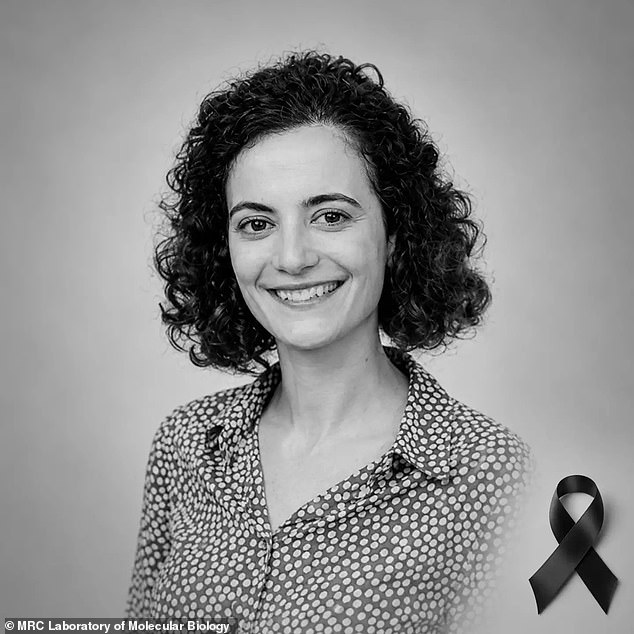
A devastating train accident in Spain has left the scientific community in mourning after confirming the death of Dr. Marta Shahbazi. The 41-year-old researcher from the University of Cambridge was among the 69 fatalities when a passenger train en route from Madrid to Seville collided with a stationary train near Toledo on Wednesday, October 28.
The crash, described as ‘apocalyptic,’ injured over 100 individuals and has raised significant concerns regarding railway safety in the country. Preliminary investigations reveal multiple system failures may have contributed to the disaster, with some witnesses likening the scene to a bomb explosion.
Dr. Shahbazi, who was traveling to accept a prestigious award for her pioneering contributions in IVF and early embryo research, was initially reported missing. Her death was later confirmed by a Spanish research institute, which expressed profound condolences to her family, including her aunt, a fellow scientist.
Described as an ‘inspiring, talented, and passionate’ individual, Shahbazi held the position of Affiliate Associate Professor at the Cambridge Stem Cell Institute and was a mother to two young children. Her brother, Carlos, reflected on her life, stating, “She lived for science and her kids. That was her whole life.” Colleagues expressed devastation, labeling her loss a ‘profound shock’ to the academic community.
The MRC Laboratory of Molecular Biology, where Dr. Shahbazi led a research group, offered heartfelt condolences following the confirmation of her death. They lauded her accomplishments and recognized her as a brilliant young researcher whose impact will be deeply missed.
As national mourning commenced, Spain’s Transport Minister, Oscar Puente, indicated a serious investigation would unfold, exposing potential failures in railway infrastructure and communication systems leading up to the collision. Reports indicate that a controller had instructed a train to resume travel despite signaling issues, which allowed the ill-fated collision to occur.
The tragic incident has sparked political backlash, particularly in light of past railway disasters in Spain, including a deadly derailment earlier this year that resulted in numerous casualties. The incident’s timing, just weeks away from national elections, has added pressure on Prime Minister Pedro Sanchez and his administration to address these safety concerns urgently.
Survivor Accounts
Survivors recounted harrowing experiences during the crash, describing the terrifying moments leading up to the impact. One individual described being violently thrown against the seats, while another recalled witnessing a severely injured passenger. The aftermath left carriages dismantled and engulfed in flames, emphasizing the scale of the tragedy.
A National Crisis
As investigations progress, officials are working to uncover technical malfunction details that contributed to this catastrophic event. Affected individuals and families have begun to navigate the complex aftermath of this disaster as the nation grapples with the implications of infrastructure safety.
Editor’s Take
The tragic loss of Dr. Marta Shahbazi highlights the critical need for robust safety measures in transportation systems worldwide. As investigations continue, it will be essential for authorities to address any systemic issues to prevent future disasters. The impact of such incidents extends beyond immediate casualties, affecting researchers, families, and the integrity of scientific progress.
Source: www.dailymail.com