Grayndler Artists Rally Against Controversial AI Proposal Amid Growing Concerns

The discontent among creatives is growing in the electorate of Anthony Albanese, the Prime Minister of Australia, as concerns mount over a proposed federal initiative that would permit AI companies to access and utilize all online content created by Australians. This discontent underscores a significant conflict between the creative community and government policy in the age of artificial intelligence.
Grayndler, Albanese’s electoral stronghold located in Sydney’s inner west, boasts over 3,000 cultural and creative businesses, with around 10% of its workforce engaged in the arts—substantially higher than the national average of 4.2%. Despite holding his seat with a secure margin for three decades, the growing urgency for protection of artists’ rights has led to rising tensions.
As the Labor government deliberates on changes to copyright law amidst reforms related to AI, energy, and data centers, creatives stress that the proposed measures could undermine their livelihoods. Albanese has reassured that his administration aims to provide “the strongest possible protection” against exploitation, labeling any failure to compensate artists for their work as “theft.” Yet, many worry that AI companies are lobbying for leniency in copyright regulations to use Australian creative content without due compensation.
Some AI companies argue it would be cumbersome to adhere to current copyright frameworks, while Anthropic has suggested an “opt-out” system that would allow them to scrape content unless creators explicitly refuse. This has led to apprehensions among industry experts and political figures, who warn that this could infringe on property rights, transforming the landscape of artistic ownership.
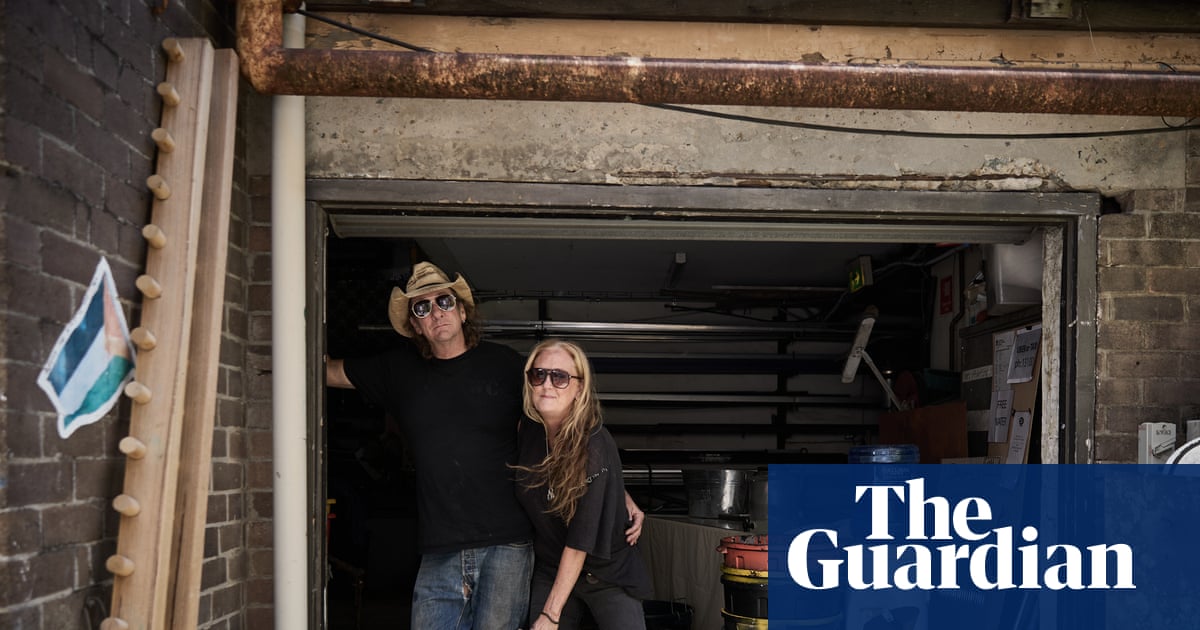
Draft laws from the federal government are expected by year-end, with further discussions slated for 2027. As these developments unfold, the creative sector’s alarm is palpable, evidenced by Pete Strong, a local screenprinter and Greens councillor based in Grayndler, who described AI as an “extraction industry” prioritizing profit for a few over artist rights. He passionately opposes the proposal, voicing concern that the burgeoning AI market feels like a “gold rush.”
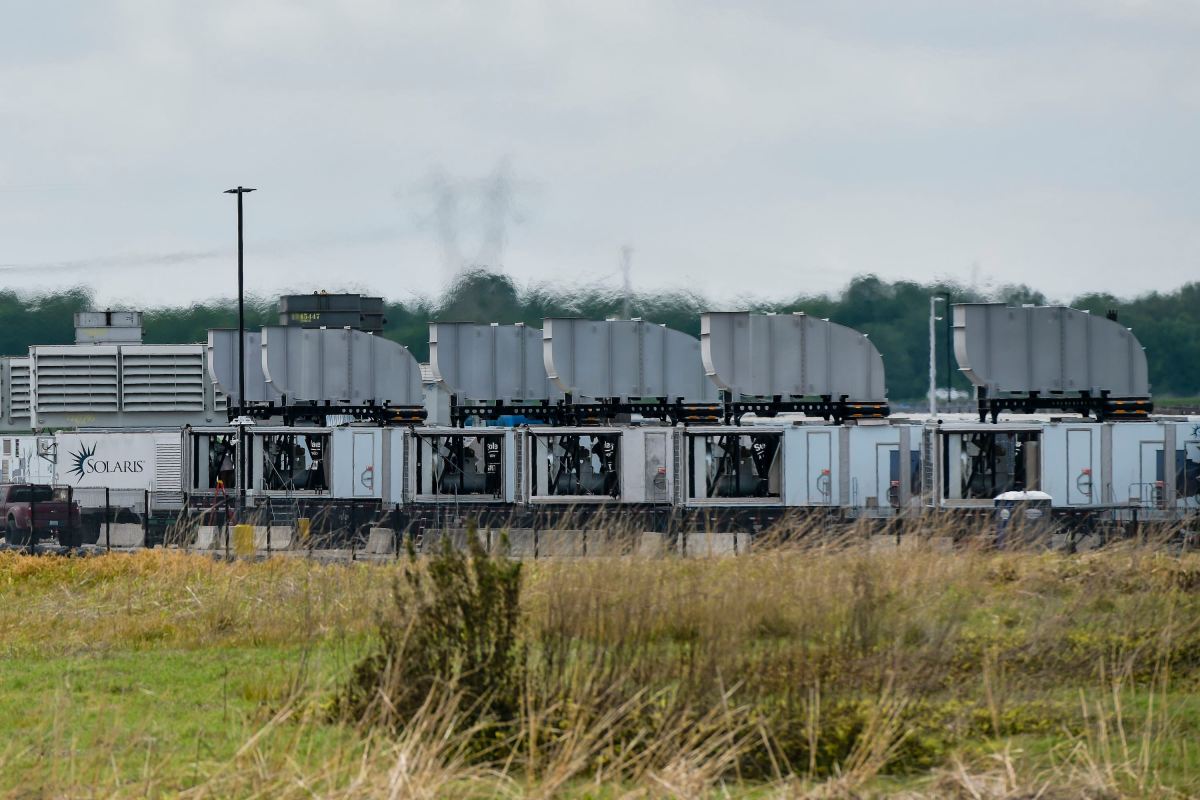
Strong has witnessed a backlash against the government’s plans, amplified by prior protests against a proposed data center in the area. In his creative undertakings, he curated a show titled “overthrow the algorithm,” which encapsulates the growing resistance against the encroachment of AI in artistic territories.
Local designer and artist Lu Campbell-Smith acknowledges that while AI has been beneficial in her work, the notion of having to opt out of content usage is “outrageous,” suggesting that Australia is being treated as a mere testing ground for profit-driven enterprises.
With the upcoming federal election, Albanese’s robust seat could face challenges from emerging figures, such as 28-year-old Hannah Ferguson, co-founder of Cheek Media, who plans to run as an independent. Polling indicates a potential shift in public support, with Albanese’s disapproval ratings reaching 56%, the highest since his inception in office.
As the creative community rallies to voice their concerns, H. Morgan-Harris, an author and director at a historic artist-led space known as Tortuga Studios, warns that the proposed AI measures could lead to the decimation of Australia’s artistic ecosystem. Furthermore, she emphasizes the critical role that the arts play in fostering human connection and societal value.
Jason Zoidberg, another local artist and co-founder of Monster Mouse Studios, labels the government’s intent to grant AI firms more privilege as “utterly crazy.” He notes a paradoxical rise in interest toward traditional art forms as a reaction against the prevalence of AI technology in creative sectors, illustrating a growing local sentiment against the exploitation of artists.
Editor’s Take
The increasing tension between the government’s AI initiatives and the creative community highlights a pivotal moment in shaping the future of artistic expression and ownership. This development not only risks undermining the livelihoods of countless artists but also raises fundamental questions about intellectual property rights in the digital age. How this conflict is resolved could set precedents that impact artists and the broader AI industry for years to come.
Source: www.theguardian.com