Energy Secretary Miatta Fahnbulleh Faces Isolation as PM and Chancellor Scale Back Net Zero Goals

Energy Secretary Miatta Fahnbulleh is facing increasing challenges within the Cabinet, as Labour insiders suggest a potential pivot away from the Net Zero agenda in response to the ongoing cost-of-living crisis.
Last weekend, reports from The Mail on Sunday revealed that both the Prime Minister and Chancellor are eager to advance drilling in the Rosebank oil field, estimated to contain 500 million barrels of oil—something Ms. Fahnbulleh has previously opposed based on environmental concerns.
In a recent development, she asserted her authority over the final decision, indicating her intention to remain steadfast. However, sources from Labour have indicated that approval for Rosebank will be a collective government decision, with Ms. Fahnbulleh merely in a confirmation role.
As the government shifts its language from an emphasis on “clean energy” to “cheap energy,” ministers are redefining priorities in light of fiscal pressures. Officials express concern that Donald Trump‘s potential mid-term election losses in the U.S. could lead him to take geopolitical measures that might further escalate energy prices.
A source highlighted, “While clean energy remains a goal, we need to focus on ‘power sovereignty’ alongside affordability.” This statement showcases a growing consensus within the party, even among figures like Ed Miliband, once seen as staunch proponents of environmental rigor.

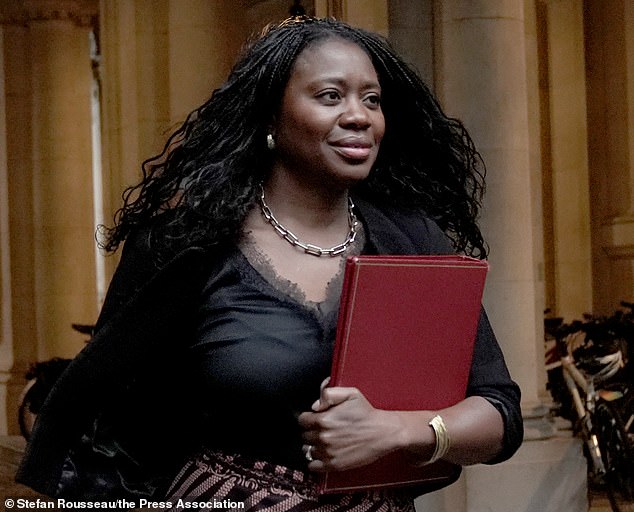
Energy Secretary Miatta Fahnbulleh at a Cabinet meeting on October 20.
Following the publication regarding the Rosebank site, aides to Ms. Fahnbulleh circulated a memo assuring MPs that she retains ultimate decision-making authority over the project. The memo stated, “No decision has been made… No other Cabinet member has any role in this decision.”
This declaration contrasts sharply with the recent Budget, which included tax projections from Rosebank, signaling a clear government interest in moving forward. In a related article published yesterday, Chancellor John Healey articulated that new clean energy projects could be blocked if they inflate taxpayer expenses related to the compensation of wind turbine operators.
Recent data revealed that September was the costliest month on record primarily due to reliance on wind energy, costing consumers an additional £505 million just to maintain grid stability. Alarmingly, the National Energy System Operator has projected that the cost of disconnecting wind turbines could escalate to £9 billion by 2029, adding about £100 to household energy bills.
On just Tuesday, over £7 million was doled out to wind farm operators for ceasing operations, while gas plants received more than £40 million as backup. Consultant Kathryn Porter criticized policies allowing wind projects to connect before grid upgrades, stressing the need for more proactive power management strategies.
In defense of the decision-making process, a spokesperson for the Energy Department reiterated, “The Energy Secretary is the sole decision-maker, and no other Minister has any involvement.”
Editor’s Take
This pivotal shift away from a strict Net Zero ideology towards prioritizing cost-efficiency reflects broader economic pressures that could influence energy strategies globally. It highlights a balancing act for policymakers as they assess the implications for energy costs and stability in a changing world.
Source: www.dailymail.com