
Study Reveals Jet Lag Affects Seabirds Too
Traveling across various time zones can lead to jet lag, a phenomenon familiar to many humans, where the body’s internal clock struggles to adjust. Interestingly, a recent study published in Science indicates that this issue extends beyond humans, affecting Manx shearwaters, seabirds capable of flying vast distances across the North Atlantic.
The research highlights that these birds experience their own version of jet lag during long flights, impacting their navigational abilities. As these seabirds primarily use the Sun for navigation, the disruption caused by jet lag results in noticeable shifts in their compass orientation.
Understanding the Manx Shearwater
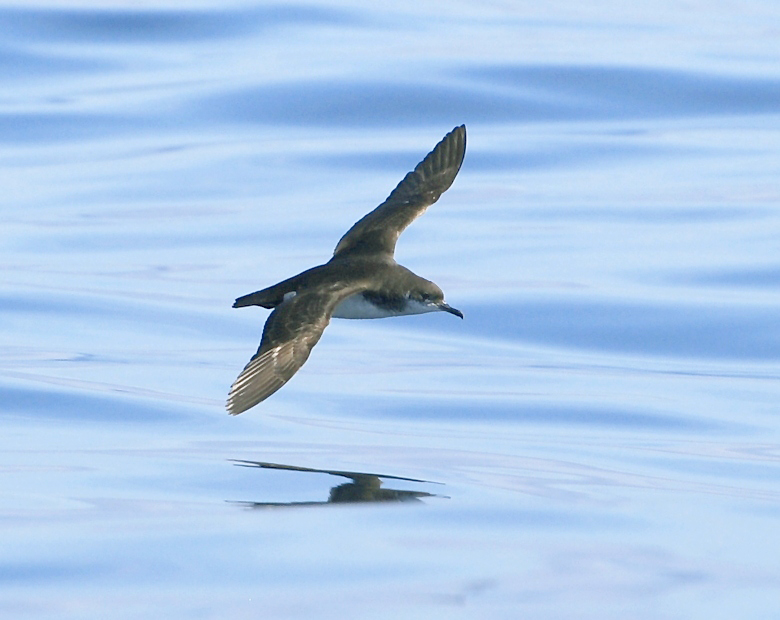
Lead author of the study, Patrick Lewin, a behavioral and sensory ecologist at the University of Oxford, provided insight into the species. “Manx shearwaters are medium-sized birds, roughly comparable to pigeons in size,” Lewin explained. They boast a distinctive appearance, with white underparts and black tops, as well as notably long wings. These birds nest in burrows located on coastal islands throughout the North Atlantic, with a significant portion of their population breeding in the UK and Ireland, particularly in Wales.
Implications of the Study
This study sheds light on the broader consequences of jet lag not only for humans but also for wildlife. It emphasizes the challenges faced by migrating species and underscores the importance of understanding these impacts as we consider the effects of climate change and human activity on animal behavior.
Editor’s Take
This revelation underscores the intricate connections between travel, time, and the natural world. For users and businesses in the tourism and wildlife sectors, recognizing the effects of jet lag on animals can enhance conservation efforts and travel planning. Understanding these dynamics could inform strategies to minimize disruption to wildlife during migratory seasons, benefiting both nature and tourism.
Source: arstechnica.com