Founder of ‘Endless Cruise’ Admits Guilt, Citing Trump’s Iran War for Passenger Displacement

The founder of the controversial ‘endless cruise’ that recently stranded its passengers in Cambodia has publicly apologized for the collapse of the venture. Mikael Petterson, who started Villa Vie Residences in 2023, expressed regret, claiming responsibility for the crisis.
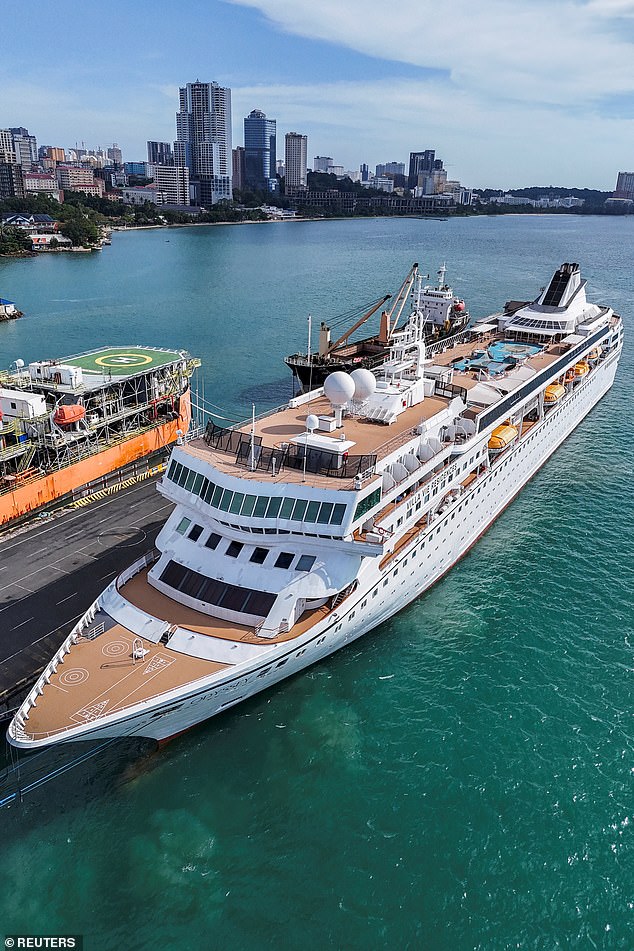
Approximately 200 passengers received only seven hours’ notice to leave the ship during a scheduled stop in Sihanoukville after the operator announced a suspension of operations. The ship, named the Odyssey, departed from Northern Ireland in October 2024, offering residents the option to either rent cabins for vacations or purchase lifetime access at prices reaching $440,000 (£330,000). Many had sold their possessions to finance this lifestyle.
‘I feel awful,’ Petterson stated. ‘I’m the villain in the story, but I’m doing everything I can to support the residents toward a solution.’ His comments reflect the frustration of passengers, who indicated they were left without assistance or communication after being dropped off in Cambodia.
The company attributed the operational failures to soaring oil prices fueled by recent conflicts in the Middle East, which significantly increased monthly fuel costs per cabin—from an initial average of $1,800 (£1,354) to estimates between $6,000 (£4,516) and $8,000 (£6,021) in parts of Asia.
Petterson noted that these financial pressures had a ‘cascading effect’ on the sustainability of the cruise service. He further blamed external factors, specifically the effects of U.S. foreign policy on oil prices, for the venture’s fallout, stating, ‘Nobody that’s tried residential cruising has succeeded, and we have gone further than anyone else.’ He claimed the operation could have thrived if not for the oil-related disruptions.
Additionally, there were multiple requests from the company for more funding during the voyage. Passengers were asked to contribute to cover escalating fuel costs, culminating in a collective loan solicitation of $2.2 million (£1.6 million) in April, the repayment of which has been a topic of contention among those affected.
According to Lynn Montoya, a passenger, there have been no refunds for money previously supplied. ‘On July 31, we were told we would get a payment in the next three days. But two days later, we were informed there was no money,’ Montoya explained.
Citing feelings of manipulation, Montoya described how residents were pressured into making further contributions to keep the cruise operational. They were often informed of financial needs shortly before docking, creating a sense of urgency. ‘We increasingly felt like we were being held captive,’ she remarked.
The situation has drawn significant scrutiny as passengers suffered deteriorating conditions onboard, including intermittent internet service and poor food quality. Complaints arose among crew members whose payments were delayed, leading residents to voluntarily contribute to their support.
The turmoil culminated this week when passengers were abruptly informed they had until 2 PM to disembark. Following the collection of a final sum of $360,000 (£270,049), most passengers resisted further funding requests, leading to their unceremonious exit from the ship.
Villa Vie Residences initially sold permanent residencies on the cruise for prices ranging between $120,000 (£90,000) and $440,000 (£330,000), while rentals averaged £3,500 per month. As residents evacuated the ship, they were transported in groups to the local town without prior arrangements for accommodation.
While Villa Vie promised to coordinate disembarkation and identify temporary living setups, Petterson admitted that expectations had collapsed for the passengers, who were initially promised a comprehensive journey with numerous port stops.
Editor’s Take
This dramatic situation highlights the vulnerabilities inherent in unique lifestyle ventures like residential cruising. It raises significant questions about consumer protections and company accountability in times of crisis. Failure to deliver on promises could have a lasting impact on trust within niche travel markets, affecting both potential investors and future customers.
Source: www.dailymail.com