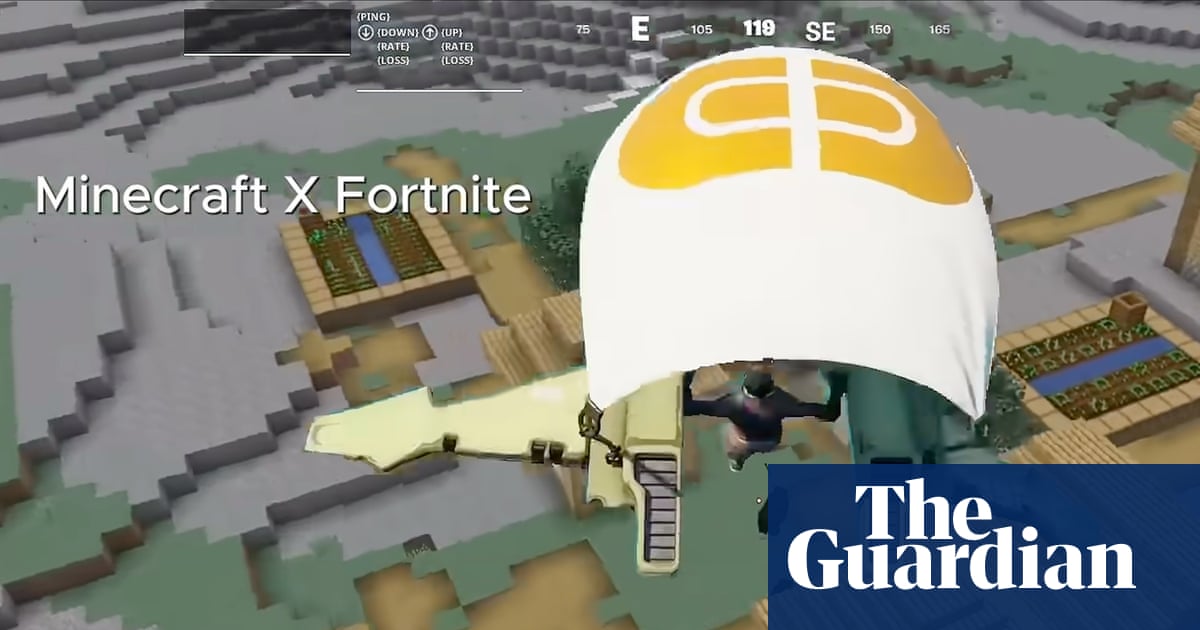

In recent weeks, gamers scrolling through social media may have noticed an intriguing trend: a surge of video game mashups, reimagining beloved titles in unexpected ways. From Skyrim within Minecraft to a playful blend of Halo with Mario, these fan-created mods captivate viewers for a brief entertainment but raise questions about their origins.
The answer to this phenomenon largely points to advancements in artificial intelligence (AI). Recent investigations, including insights from a video by Replay Mode on YouTube, have revealed that these mashup mods are a product of AI-enhanced coding techniques. Notably, the AI model Claude, developed by Anthropic, has shown remarkable proficiency in decompiling video games.
Decompiling involves reversing the compilation process of games from their binary forms back to readable source code. This complex task, which once demanded considerable time and expertise, has become significantly easier thanks to Claude’s capabilities. The AI can now generate a game’s source code overnight, allowing creators to experiment with combining games with minimal input from humans.
While human oversight remains, especially for the more intricate mashups, the time investment has drastically decreased. What once took months can now be accomplished in mere hours or even evenings.
Curious about the ease of creating such mashups, one writer posed questions to Claude about constructing a mashup. After receiving extensive guidance on various modding tools, the writer grappled with the technicalities but ultimately found Claude could generate a simple playable game in just minutes. The outcome was a rudimentary design suitable for short-form videos, showcasing AI’s ability to create without a deep technical understanding.
While there are parallels between AI-generated content—like social media images and video games—those knowledgeable about coding are making even more significant strides. Modern AI tools facilitate the running of games like Zelda: Tears of the Kingdom directly in web browsers and provide open-source frameworks for game platforms that allow users to access retro games without cost. Notably, emulation for the PlayStation 5 has advanced remarkably, enabling almost any title to be played on PCs.
However, this rapid democratization of game access poses serious legal implications. Many argue that the ease of emulation is a justified response to concerns over digital ownership—especially in light of decisions by companies such as Sony and Nintendo. These transformations in access to game code could challenge the very foundations of intellectual property in the gaming industry.
The implications extend far beyond individual gaming experiences. Video game publishers, traditionally protective of their code, now face a landscape where their work is readily available to anyone with internet access. With AI’s role in this shift becoming increasingly significant, a fundamental question arises: will AI companies take steps to address these legal and ethical challenges?
What to Play
The latest obsession for many households is Nintendo Switch Sports Resort, seamlessly blending classic motion-controlled sports like skateboarding with traditional games such as tennis and golf. The game expands on the popular Wii Sports format and promotes family engagement and physical activity, making it a hit during enforced indoor periods.
Available on: Nintendo Switch
Estimated playtime: Anywhere from 20 minutes to 20 years
What to Read
-
For those seeking cozy gaming experiences this Halloween, Keith Stuart has compiled a list of the best new indie horror games.
-
Microsoft has initiated voluntary redundancy for 60,000 staff, significantly impacting its Xbox studios, which represents a quarter of its workforce.
-
The gaming community is mourning the shutdown of BioWare, a developer famous for titles such as Mass Effect and Dragon Age, amidst concerns over mismanagement.
Question Block
Reader Chris inquires:
“What games offer the most geographically accurate experiences?”
The straightforward answer is Microsoft Flight Simulator, renowned for its impeccable geographic representation using satellite imagery. Games like Kingdom Come: Deliverance also stand out for their commitment to historical authenticity, while others like Assassin’s Creed offer architecturally faithful cities but not necessarily geographical accuracy.
If you have a question or wish to share thoughts about this newsletter, feel free to contact us.
Editor’s Take
The rise of AI-assisted modding signifies a transformative shift in gaming culture, democratizing access to game development. This evolution holds the potential to revolutionize user engagement while raising critical questions about copyright and intellectual property. As AI continues to influence creative industries, it creates challenges and opportunities for developers and publishers alike, paving the way for a new era in gaming.
Source: www.theguardian.com