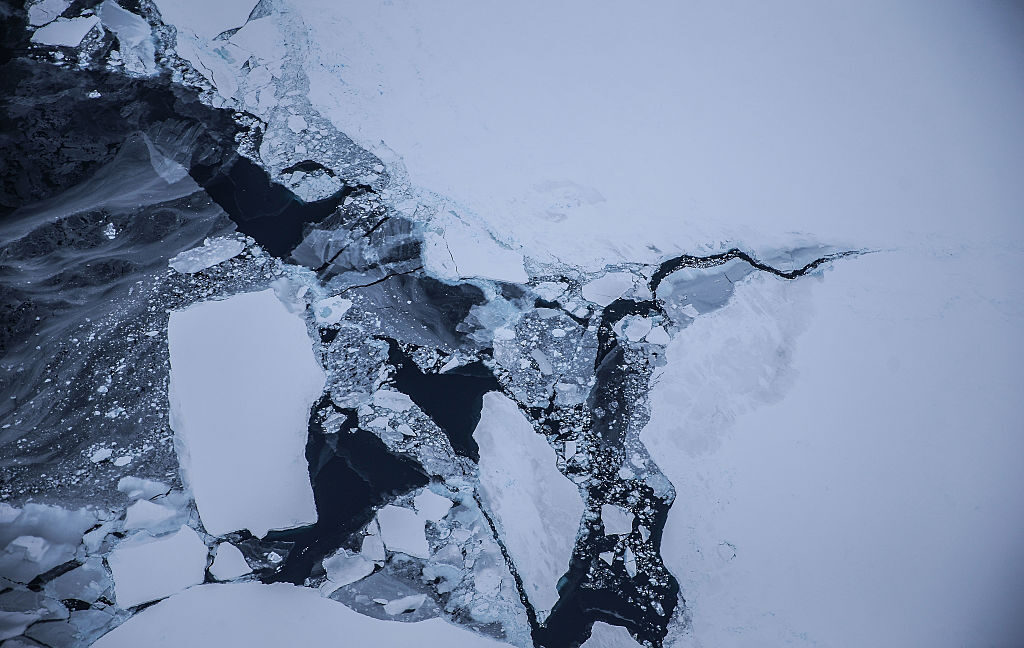

Recent studies indicate that the drastic decline of Antarctic sea ice since 2016 is not only a regional concern but is already influencing the dynamics of deep ocean waters across the globe. According to research led by Michael Meredith, a prominent oceanographer from the British Antarctic Survey, the implications of this environmental shift could be significant for the climate worldwide.
Meredith pointed out that the Southern Ocean serves as a crucial intersection for the planet’s oceans, functioning as a primary location where aged waters are rejuvenated. “This could have global consequences,” he warned, emphasizing the ocean’s vital role in regulating atmospheric conditions.
The ongoing changes, including an increase in storm frequency and a marked heat loss in oceanic regions, were highlighted in a 2024 study. Earlier this year, a significant scientific review established that alterations in Antarctic sea ice impact the global distribution of both heat and moisture, fundamentally affecting atmospheric variability. The review concluded that the accelerated rate of sea ice retreat suggests that Antarctic waters may be transitioning to a new state, which could disrupt not only local ecosystems but the broader global climate system as well.
Animation of Antarctic sea ice maximum extent, Sept. 10, 2023, to its minimum, Feb. 20, 2024.
Meredith expressed concern over the impacts of reduced sea ice on the Southern Ocean’s critical function of sequestering carbon dioxide, a key factor in moderating the effects of climate change. He noted that disturbances in major ocean cycles necessitate urgent attention.
While it remains uncertain whether the current shift in sea ice dynamics will result in a permanent state change—due to the relatively short observational data available—Meredith emphasized the importance of enhancing global climate models. He indicated that these models have yet to adequately account for recent sea ice losses, underscoring the need for continued research and monitoring.
Notably, recent investigations have also revealed that deep ocean circulation in the Southern Ocean has slowed, which has subsequently diminished the rate at which new water masses are introduced to the deeper layers of the ocean. Meredith highlighted that shifts in upper ocean circulation could impact climate within a time frame of years to decades, rather than centuries.
Bob Berwyn is an Austria-based reporter who has covered climate science and international climate policy for more than a decade. Previously, he reported on the environment, endangered species, and public lands for several Colorado newspapers, and also worked as editor and assistant editor at community newspapers in the Colorado Rockies.
This story originally appeared on Inside Climate News.
Editor’s Take
The transformation in Antarctic sea ice conditions raises substantial concerns regarding global climate projections. Businesses and policymakers alike must be prepared to adapt to the ripple effects of these changes, as they could influence everything from supply chains to environmental regulations. The urgency for innovative climate solutions is clearer than ever.
Source: arstechnica.com