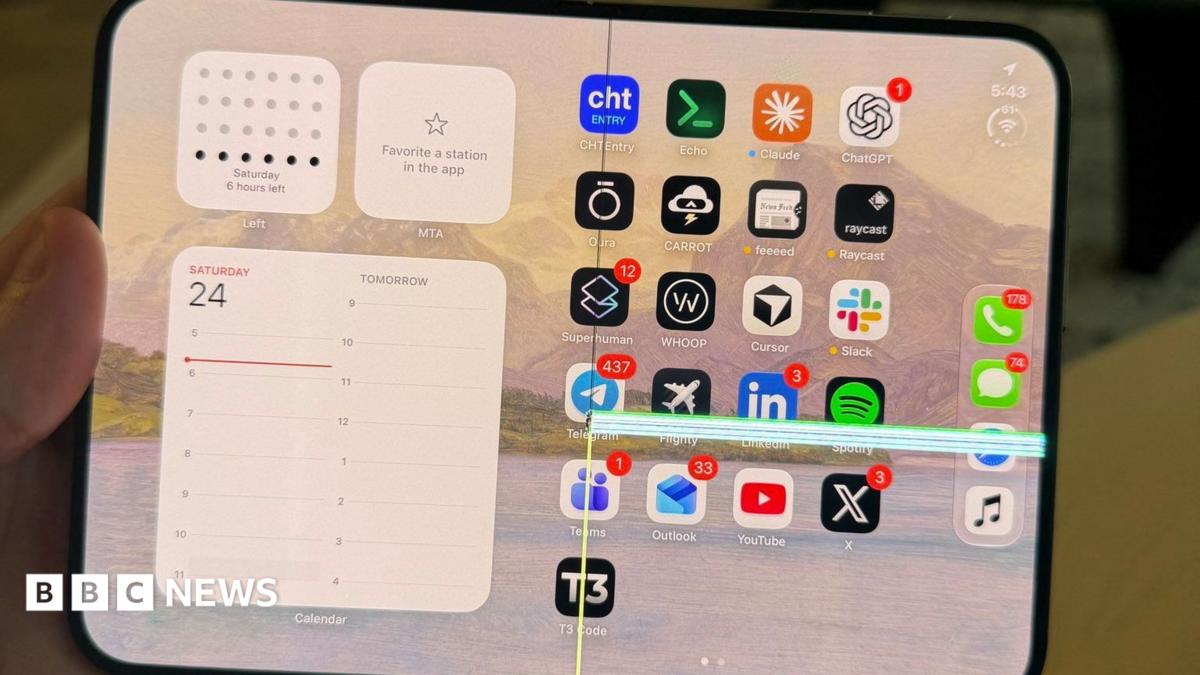

OpenAI has officially entered the competitive arena of AI personal assistants with the launch of dots, showcased during its developer event in late September. This innovative assistant operates in the background, constantly assisting users without the need for constant prompts. The proposition is simple: an always-on tool that utilizes deep learning models to enhance productivity.
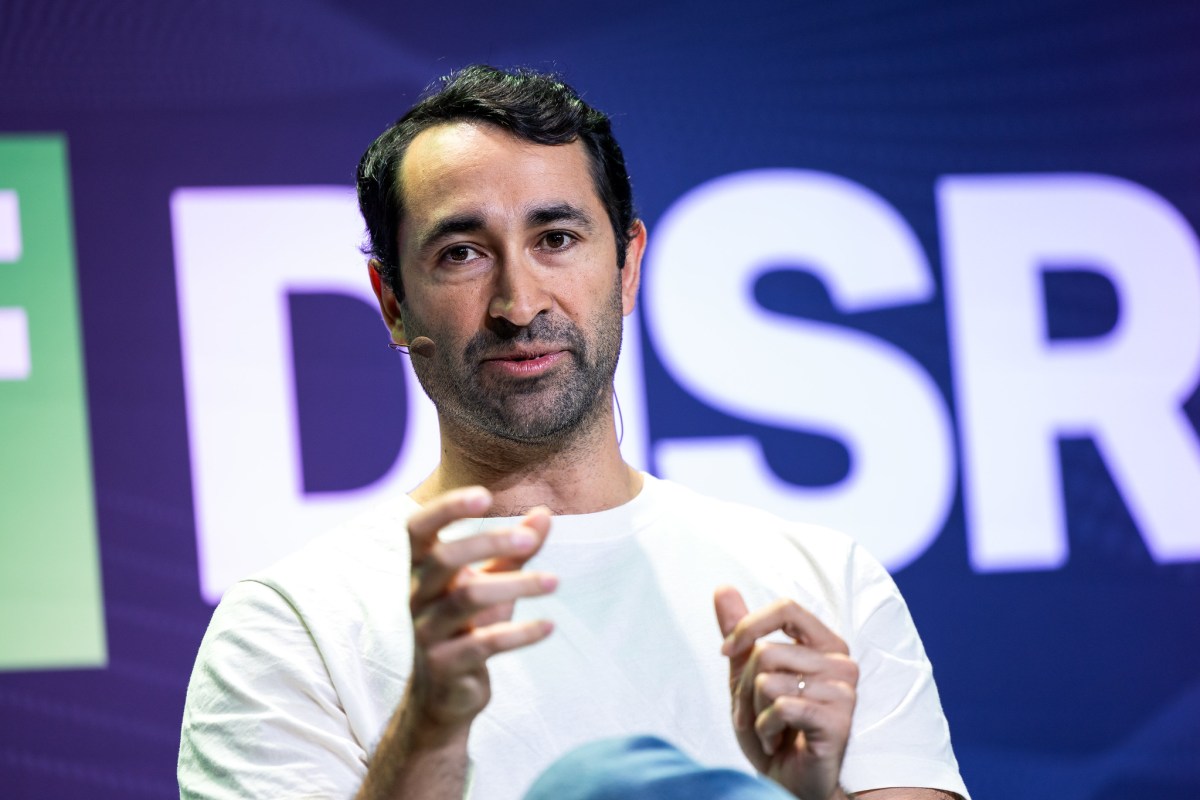
The launch follows the success of various other AI assistants, including Instinct and Muse from Meta, which have become popular for their proactive engagement models. Alexander Embiricos, who heads OpenAI’s enterprise product team, discussed the evolution of AI assistants and the trend of animating these tools with anthropomorphic features during an interview at TechCrunch Disrupt.
“There’s a convergent evolution happening,” Embiricos remarked, highlighting the focus on creating a unified conversational experience instead of fragmented interactions. The assistant is available for users subscribed to the Pro tier or higher on ChatGPT, starting at $100 per month. Once integrated with users’ calendars, emails, and other tools, dots aims to assist with workflow optimization.
During his discussion, Embiricos noted that many capabilities offered by dots can also be achieved through OpenAI’s Codex, the coding tool released earlier this year. However, he emphasizes that dots‘ capability to work autonomously brings a more user-friendly experience, illustrated by his anecdote about his wife keeping her computer on overnight for the assistant to function.
OpenAI’s approach to making technology accessible involves restructuring the capabilities of its models, a process that started as they developed ChatGPT Work, intended to simplify AI interactions for everyday users. The branding decision, including the name dots, reflects a vision of ubiquitous integration, although Embiricos did express surprise at discovering that Elon Musk owns the corresponding domain.
A central feature of dots is its proactive nature, designed to anticipate user needs without specific prompting. While this is intended to enhance user experience, Embiricos acknowledged some teething issues. For instance, the assistant’s notifications of calendar conflicts were sometimes received with too little lead time.
“At one point, it informed me of a conflict only three minutes ahead of time,” he recounted. Despite this early-stage hiccup, Embiricos remains optimistic about the assistant’s adaptability. He referenced feedback from an engineer at a drone delivery company who noted that their dot identified and analyzed an outage before the team even became aware of it.
Empowering Dots
As AI assistants like dots become more prevalent, concerns arise regarding the extent of personal data shared with these models. The Muse assistant has faced scrutiny for its data profiling capabilities, but Embiricos confirmed that dots has a unique feature named “proactive research.” This function allows the assistant to analyze user information and past conversations to offer tailored recommendations.
While OpenAI assures that dots operates under strict privacy controls similar to those of ChatGPT, questions about data usage persist. The company allows users to opt-out of having their conversations used to improve AI but acknowledges the need for more granularity in these controls.
Ambitious plans for enhancing user privacy are in sight, as Embiricos states, “We need to build extremely granular controls.” While initial feedback indicated concerns over overly conservative privacy settings, the intention is to balance user control with the assistant’s functionality.
Scalability of AI Assistants
The scalability of such personal AI agents poses another important challenge. As their popularity grows, users and businesses may find them less appealing. Embiricos expressed a personal preference for human interaction over AI when collaborating with corporate partners, implying that a balance between technology and human oversight remains crucial.
With the AI industry pushing for broader adoption of personal assistants, questions loom about the existing operational capacity of businesses and online infrastructure to support such technologies. OpenAI has emphasized collaboration with various partners, including payment processors, to explore the feasibility of enabling financial transactions through AI assistants.
While granting assistants access to email can feel intrusive, the idea of allowing them to manage financial transactions raises significant concerns for consumers—at least for now.
Editor’s Take
The development of OpenAI’s dots illustrates a significant step toward seamless AI integration into daily tasks. As these assistants evolve, they could enhance productivity while raising vital questions about data privacy and user control. The balance between functionality and security will be crucial as AI becomes more embedded in our lives.
Source: techcrunch.com