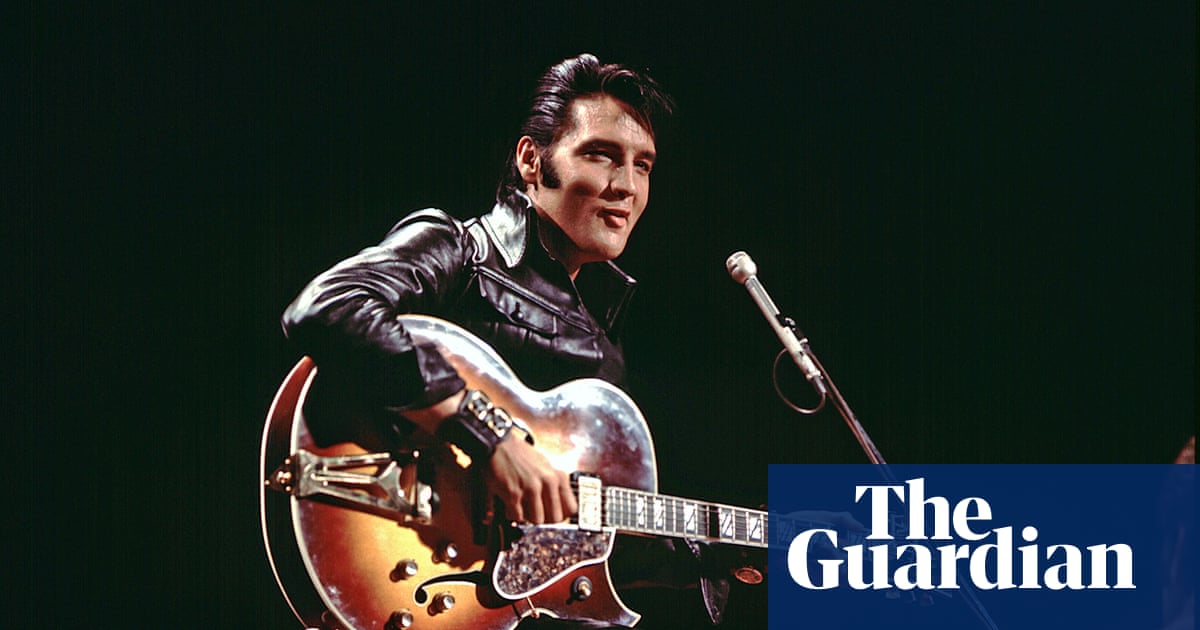

The legal landscape surrounding artificial intelligence and intellectual property continues to shift as the owners of Elvis Presley’s music catalogue have filed a lawsuit against the AI company Anthropic. The suit alleges that Anthropic has trained its AI models using Presley’s songs without obtaining permission, raising significant questions about copyright in the age of AI.
Represented by Authentic Brands Group, the organization that holds the rights to Presley’s music and likeness, the lawsuit targets a total of 274 songs by the musical icon. This case, reported initially by Billboard, was filed on a recent Friday and marks a notable escalation in the ongoing conflict between the music industry and emerging AI technologies.
While AI companies have faced copyright infringement claims from organizations like the Recording Industry Association of America (RIAA) and major music labels including Sony, Universal, and Warner Records, this lawsuit represents a pioneering move by an artist’s estate directly challenging an AI firm. The outcome could potentially establish a new legal framework affecting how AI companies interact with existing music catalogues.
In the lawsuit, lead attorney Richard Busch emphasized that the plaintiffs are taking action to protect their exclusive rights against a company whose business model allegedly relies on widespread copyright infringement. The legal document states that Anthropic’s AI model, known as Claude, has produced infringing outputs based on music from various catalogues available online from its inception.
Specific Presley songs mentioned in the lawsuit include classics such as Can’t Help Falling in Love, All Shook Up, and A Little Less Conversation. The plaintiffs are seeking damages of $150,000 for each infringed track, totaling approximately $41 million.
The suit further accuses Anthropic of being aware that its purported guardrails intended to limit copyright infringement were ineffective. It argues that the company has knowingly continued to infringe upon the copyrights of musicians’ works.
AI music platforms function by analyzing vast amounts of recorded music to learn song structures and styles, allowing users to generate new AI-composed music using text or voice prompts. However, concerns have been raised by musicians regarding the unauthorized use of their work by AI models.
Some artists fear that AI-generated music could overshadow human-created songs, while others have reported cases of AI bots impersonating real musicians on streaming platforms. Recently, Spotify disclosed that it has removed around 50 million songs categorized as AI-generated “slop” from its user recommendations over the past year.
Editor’s Take
This lawsuit underscores a pivotal moment in the intersection of technology and intellectual property rights. As AI continues to evolve, the outcomes of such legal battles could significantly influence how developers and businesses deploy AI tools in creative sectors. A ruling favoring the Presley estate may tighten regulations on AI-generated content and reshape the responsibilities of AI firms regarding copyright compliance.
Source: www.theguardian.com