

Hegseth: Prediction Market Bets May Distort Military Decisions and Risk Troops’ Safety

Department of Defense officials have reiterated the strict prohibition against military personnel engaging in financial transactions utilizing nonpublic information, emphasizing the potential risks associated with insider betting in prediction markets. In a recent memo, official Pete Hegseth noted that such activities could lead to both administrative and criminal consequences under the Uniform Code of Military Justice and related federal laws. The warning aimed at preventing conflicts of interest that may arise from financial stakes in military operations.
This memo underlines concerns that financial investments could compromise objectivity. Hegseth mentioned, “A logistician with a financial interest in a strike date may not act purely on operational security.” Consequently, military analysts with stakes in particular outcomes might face bias, undermining their roles.
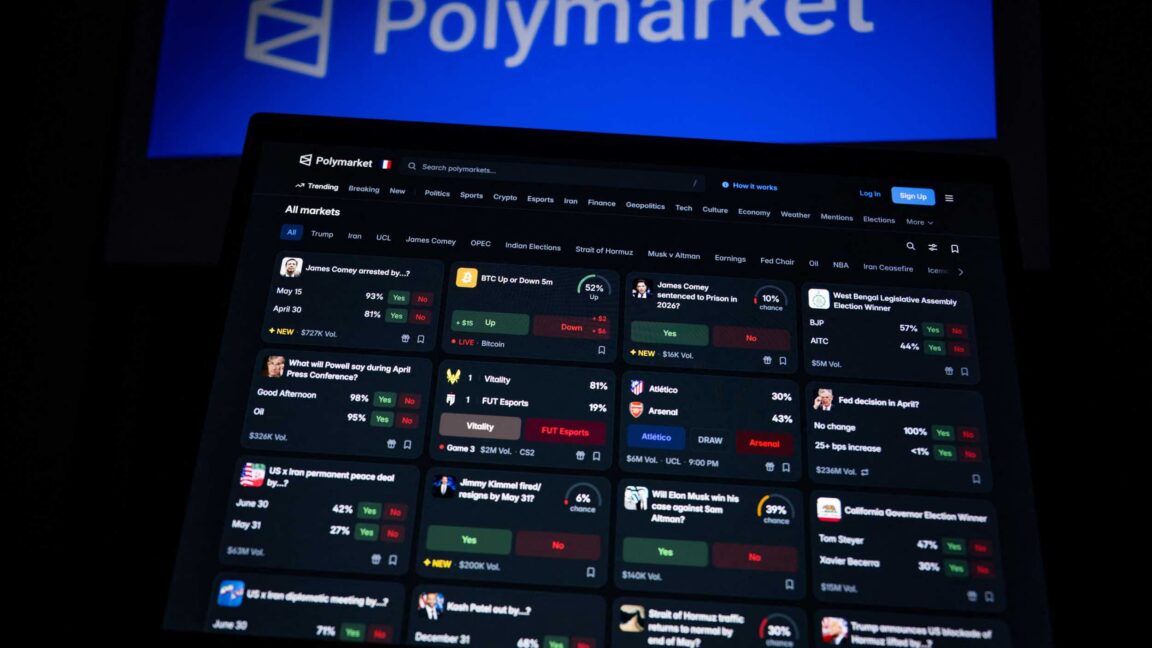
Both Kalshi and Polymarket, platforms known for their prediction markets, have strict rules against insider trading. However, the threat of criminal charges appears to serve as a stronger deterrent compared to merely facing bans from these platforms.
Internal Warnings from the White House
This development follows previous internal warnings from the Trump administration regarding the use of insider information in prediction markets. The Associated Press reported an incident where several new accounts on Polymarket placed timely bets on a U.S.-Iran ceasefire shortly before it was publicly announced by President Donald Trump in April, resulting in significant profits for those accounts.
The White House had cautioned its staff against exploiting confidential information for trading just as this report surfaced. Another noteworthy incident involved a teleprompter aide for Trump, who allegedly earned $100,000 by betting on the content of the President’s scripted remarks.
Despite these warnings, prediction markets have continued to thrive under the administration’s relatively lenient regulatory stance. The Trump administration has been actively challenging state authority to enact regulations on these markets, advocating that federal jurisdiction by the Commodity Futures Trading Commission supersedes any state laws. This has led to varied court interpretations, with state governments seeking greater legal backing to impose their restrictions on prediction-market gambling.
Editor’s Take
The recent memo from the Department of Defense highlights a vital intersection between military integrity and financial speculation. As prediction markets gain traction, the implications for operational security become more pronounced. Users must remain aware of the ethical and legal boundaries to navigate this emerging landscape responsibly. For businesses and developers in this space, the ongoing regulatory dialogue emphasizes the need for transparency and compliance to foster a trustworthy environment.
Source: arstechnica.com