


Jack Price enlisted in the Marines in Fall 2021, aware that a reliable vehicle was essential for navigating military bases. With a limited budget, he endured a tedious month of searching for a car until his mother found a 2010 Volkswagen Jetta on a colleague’s office listserv. The mechanically sound vehicle, which had just 60,000 miles on it and featured working air conditioning, a sunroof, and Bluetooth radio, was a steal at $6,000. Price paid in cash, embracing the car he later named the “Pewter Pebble.”
Now, five years later, the Jetta still serves its purpose, though Price admits to showing it little love. “I’ve completely driven it into the ground,” said the 30-year-old residing in Los Angeles. Despite the wear and tear, he remains unfazed, receiving a mix of good-natured ribbing from friends.
Historically, purchasing a new vehicle has signified a rite of passage for young Americans, symbolizing independence and responsibility. However, this path is becoming increasingly obstructed for younger millennials and Gen Z. The average price of a new vehicle now exceeds $50,000, fueled by consumers’ cravings for larger SUVs and pickup trucks. Notably, adults under 35 represented less than 10% of new vehicle registrations in 2024, marking a significant decline.
According to Experian, the average monthly car payment stands at $765 for new cars and $542 for used ones. Loan terms often extend to six and even seven years. Moreover, about 21% of new-car buyers now pay over $1,000 monthly, excluding additional expenses such as maintenance, fluctuating fuel prices, and high insurance premiums, particularly for drivers under 35.
Faced with burdens from student loans, steep housing costs, and a challenging job market, many young Americans view purchasing either a new or a more recent used car as unfeasible. Instead, a trend is emerging for the retro Y2K car—vehicles from the late 1990s and early 2000s that are gaining popularity as practical, stylish, and affordable options. “There’s definitely a golden era of cars from the late 90s and early 2000s that people just really want all of a sudden,” explains service adviser Charlie Spears.
Such vehicles, including classic Honda Accords and Toyota Camrys, are preferred for their reliability and affordability, often lasting 150,000 miles or more with proper care. These cars can often be purchased outright for a fraction of the cost of newer models, which have increasingly become seen as financial burdens.
However, the supply of affordable used vehicles is dwindling, with those priced under $15,000 dropping from 21% to 15% of available inventory, illustrating the heightened demand among consumers for budget-friendly options. “Part of the draw is the nostalgia factor—people wanting cars they grew up with,” says Keith Barry, an automotive expert from Consumer Reports.
On social media, Y2K cars have evolved into ironic status symbols, embodying resilience and ardor rather than luxury. Many owners embrace their vehicles’ quirks—busted air conditioning, failing windows—viewing them as unique personality traits. “I don’t know what kind of disease that is in the brain,” remarks a TikTok creator joking about her car’s fuel door, “but I don’t get frustrated. I’m like, ‘Oh, this is fun.’”
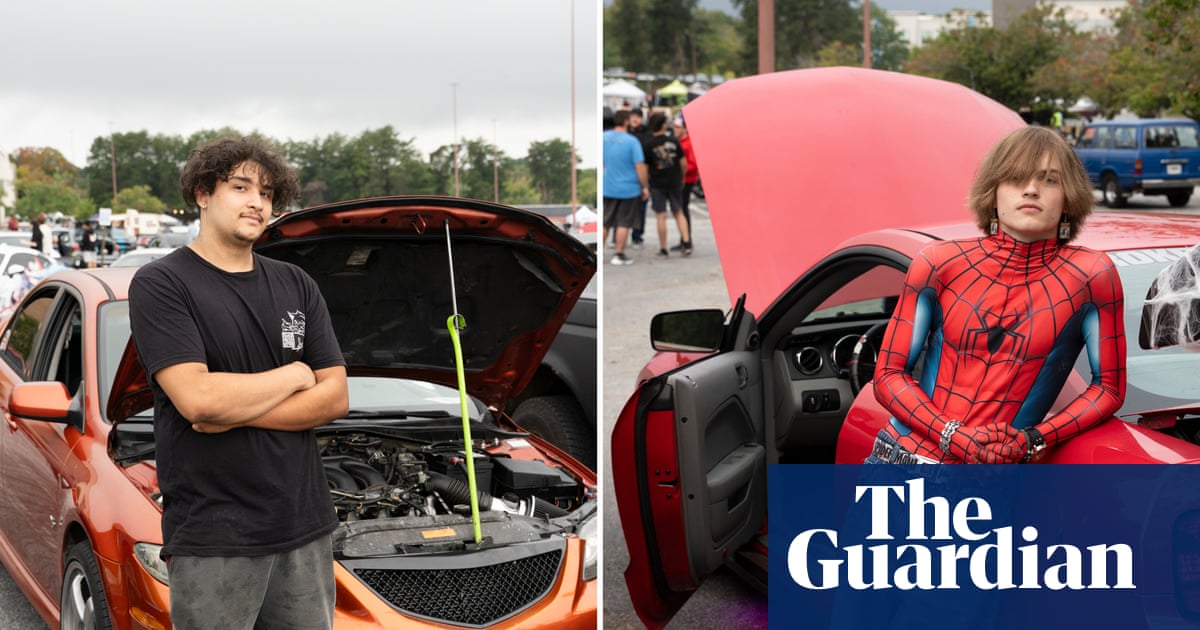
At events like the monthly Caffeine and Octane car show, Y2K vehicles attract considerable attention. While the lineup often includes vintage American muscle cars, JDM (Japanese Domestic Market) vehicles, and high-end models, Y2K cars undeniably stand out. Anthony DeNaples showcased his 2000 Buick Regal GS, purchased for $18,000. He values its rarity, and notes modern cars’ excessive safety systems often detract from driving enjoyment.
Camaraderie and shared experiences among Y2K car enthusiasts also reign supreme. For many, the ability to perform DIY repairs is a significant draw. Che Bidal, a 19-year-old car enthusiast, proudly spoke of restoring his 2004 Mazda6 for a minimal price, cementing the belief that new car payments are excessive compared to the exhilarating experience of restoring his vehicle.
While older vehicles present engaging restoration opportunities, modern cars offer advanced safety standards that give drivers peace of mind. The automotive industry has made some strides to accommodate younger buyers, introducing models like the Ford Maverick, a compact pickup starting under $30,000. Yet, even cutting-edge manufacturing and Chinese designs still find it challenging to meet the demand for affordable, feature-rich vehicles in the U.S. market.
In conclusion, Price’s experience with his well-loved Jetta highlights the importance of affordability and flexibility in vehicle ownership today. Despite a few repairs, the absence of a car loan enabled him to navigate job transitions and invest in experiences, like a recent European trip. “If I had a car payment and I lost my job,” he reflects, “I wouldn’t have the flexibility to hike a mountain.”
Editor’s Take
This trend underscores a significant shift in automotive ownership preferences among younger generations, driven by financial constraints and a spirit of DIY culture. As traditional models of car ownership become increasingly unattainable, the revival of vintage vehicles may redefine what independence and mobility mean for youth today.
Source: www.theguardian.com