
Streaming Platforms Crack Down on AI-Generated Music
As the landscape of music continues to evolve, streaming services, renowned artists, and fans are increasingly finding themselves at odds with the rise of AI-generated music. This tension is coming to a head as multiple stakeholders draw clear distinctions about the role of AI in music creation.
On Tuesday, Spotify revealed a significant shift in its music recommendations, having removed approximately 50 million tracks identified as “AI slop” over the past year. The company emphasized its commitment to high-quality content in a public statement, asserting that its editors will not promote music that falls under the categories of slop or spam.
Spotify has introduced “AI persona” badges for artist profiles that do not represent actual human beings, although it currently does not require labeling for individual AI-generated songs. Other platforms in the industry, however, have taken a stricter approach to filtering AI-generated music.
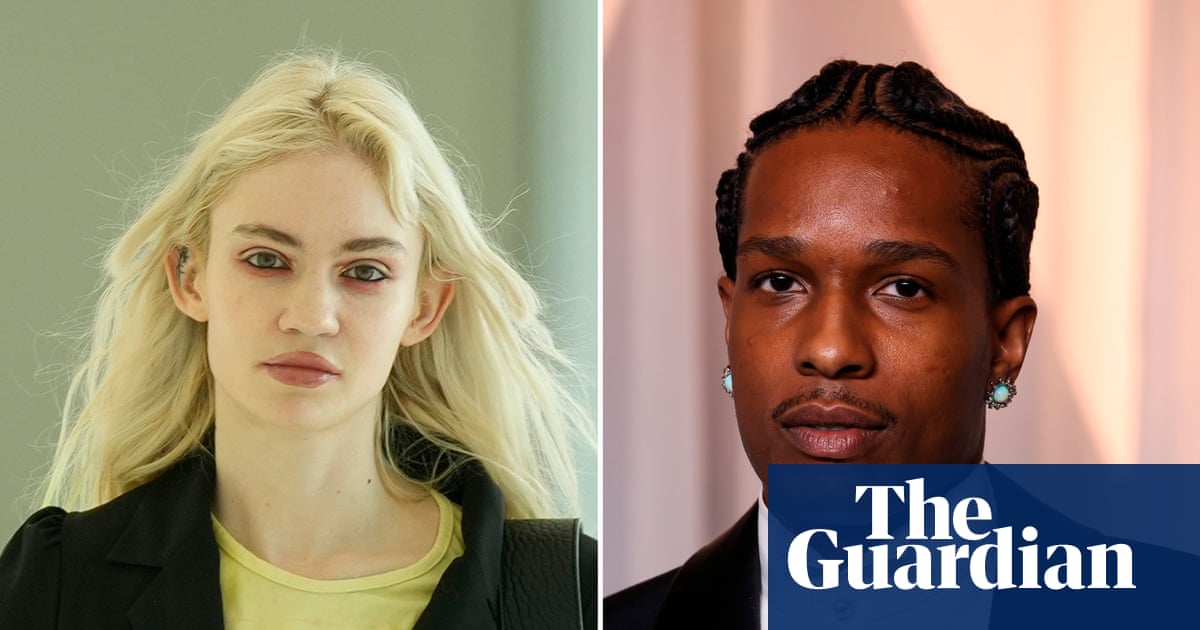
While Spotify is keen to engage with AI technologies, allowing users to create playlists using generative AI and pledging future tools for AI-generated remixes, the platform is also navigating a backlash from artists and fans alike. Even early proponents of AI in music, such as Grimes, have established limits on its usage. The singer, who is also known for her relationship with Elon Musk, has expressed her openness to AI-generated content but remains cautious about its implications.
In stark contrast, many fans exhibit little patience for AI-influenced music, actively leaning towards tracks that hark back to traditional, analog sounds. This trend has resulted in a surge of songs rooted in organic instrumentation that are currently dominating the Billboard charts, reflecting a clear preference for authenticity over artificiality.
Both A$AP Rocky, the rapper and partner of Rihanna, and Grimes share a common standpoint: they appreciate the potential of AI in music but prefer to create art from genuine human experience.
A$AP Rocky articulated his stance to Billboard, saying, “If somebody does a totally AI-generated song where all they did was prompt something, then I think that’s their thing. But who am I to say what’s standard and what’s not? I’m just doing me out here.” Similarly, Kelly Clarkson has also outlined her own boundaries while displaying an enthusiasm for AI technology in music.
Grimes is currently promoting her first album in six years, titled Psy Opera. She describes the project as capturing the “emotion of being thrust into the future.” Her team of 70, who she insists deserve credit for their contributions, underscores her view that while the album may be inspired by AI, it is not created by it.
Three years ago, Grimes even offered a free license of her voice for AI enthusiasts to experiment with. However, her reluctance to generate AI music herself suggests a belief, shared by many artists, that current AI capabilities do not yet measure up to human creativity and emotion.
– I have personally engaged with AI-generated content myself, such as the song Bomboclat Wallahi, which I discovered through captivating videos on Instagram. Despite its initial entertaining flair, the track left no lasting impression, reminiscent of how low-quality food satisfies momentarily but fails to nourish.
As artists articulate their nuanced approaches to AI, listeners are unequivocally voicing their preference for music that feels authentic. Recent Billboard charts reflect a growing trend of music that prioritizes simplicity and human emotive expression, featuring notable releases like Olivia Rodrigo’s “you seem pretty sad for a girl so in love” and Taylor Swift’s “The Life of a Showgirl.” Even the timeless Beatles album Rubber Soul made a surprise appearance in last week’s rankings, further indicating nostalgia for an era before AI influenced music production.
Editor’s Take
The growth of AI in music creation prompts vital discussions about authenticity in artistry. As concerns around quality and emotional depth become central, both consumers and creators must navigate the evolving musical landscape. This situation could shape new industry standards that prioritize human touch in an increasingly digitized world.
Source: www.theguardian.com