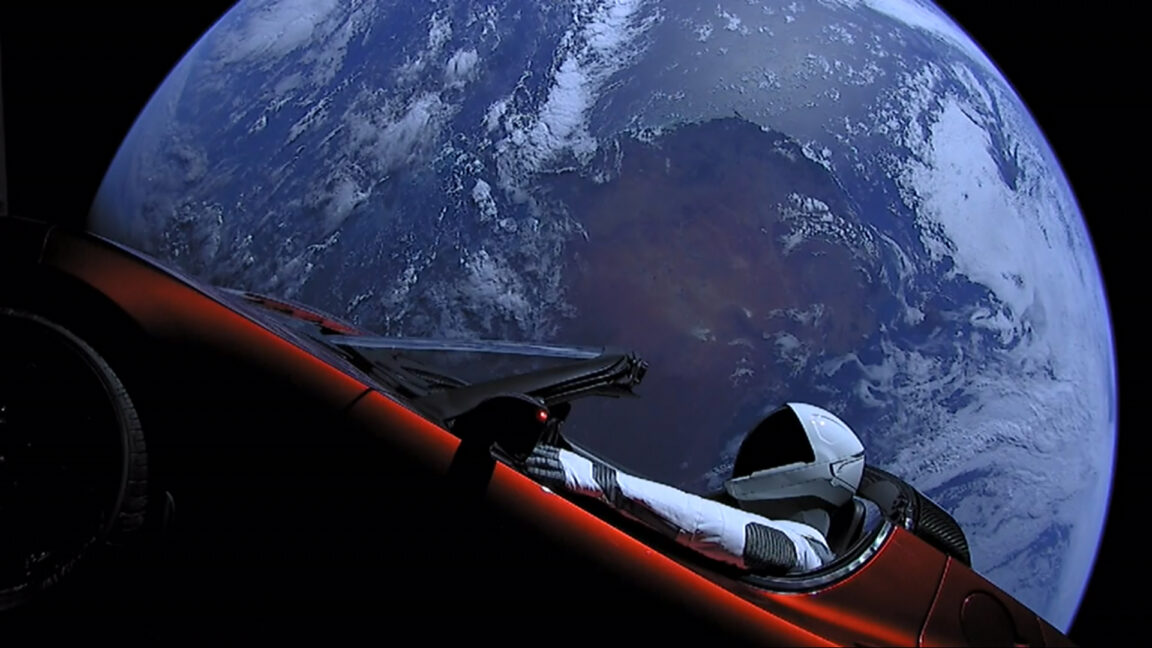

SpaceX has revealed through its financial documentation that a significant portion of its projected revenue will stem from high-tech orbital data centers designed to support computing needs for artificial intelligence on Earth. Meanwhile, Tesla is pursuing advancements in self-driving vehicles, robotics, and industrial tools, both of which are heavily dependent on cutting-edge computer chips and energy solutions. Notably, SpaceX could facilitate the necessary connectivity for Tesla‘s innovations.
The potential merger of these two titans is particularly appealing to Elon Musk, already recognized as the world’s wealthiest individual and the first trillionaire, as it would enhance his control over both companies.
According to documents related to SpaceX‘s IPO, Musk retains over 82 percent of the voting power within SpaceX, contrasting sharply with his approximate 20 percent voting stake at Tesla. A merger could enable Musk to consolidate a majority of voting shares in the resulting entity, contingent upon valuation discussions and negotiations. As of Musk’s latest announcements, SpaceX and Tesla boasted market valuations of approximately $2 trillion and $1.5 trillion, respectively.
Regulatory Challenges Ahead
This proposed merger is likely to encounter thorough examination by US regulators. Moreover, reports from Morningstar cite potential valuation disputes among Tesla shareholders as a significant hurdle. Musk indicated that for the merger to proceed, a majority of all Tesla shareholders (not limited to those with voting shares) must express approval. This consensus would only materialize if the involved committees could negotiate agreeable merger terms.
Political leaders who are cautious about Musk’s extensive influence may also express concerns about a unified corporation under his command.
While the exact ramifications for SpaceX‘s established space initiatives, including the long-term objective of colonizing Mars, remain unclear, it appears that a combined entity led by Musk would prioritize artificial intelligence and the requisite computational power for these goals. This could mean a shift away from Mars exploration and vehicle manufacturing towards a focus on technological advancements.
Editor’s Take
This potential merger signifies a pivotal moment in the tech landscape, creating a powerhouse that merges aerospace capabilities with automotive innovation. It could lead to groundbreaking advancements in AI and data processing, impacting businesses and developers alike. However, it raises questions about centralized control and the implications of Musk’s influence within tech ecosystems.
Source: arstechnica.com