

SpaceX has seen significant financial growth in its latest quarterly results, surprising many investors as it pivots from its traditional space operations toward a strong focus on artificial intelligence (AI). In the second quarter, AI now constitutes over 52% of its total income.
On Tuesday, the tech giant announced a remarkable revenue of $14.6 billion for the third quarter, as disclosed in its regulatory filing. This impressive figure reflects growth across all business segments, particularly the newly branded “Super Intelligence” division. This segment encompasses the recently integrated Cursor coding tool, the Grok bot, and the expanding neocloud infrastructure, which now delivers an impressive 1.7 GW of compute power.
The revenue increase was bolstered by around $1 billion from the resurgence in bitcoin prices and additional, unspecified income likely tied to investments made by SpaceX in various sectors.
Despite total capital expenditures reaching $19.6 billion—as SpaceX continues its ambitious second data center project, Colossus II, while also investing heavily in the Starship rocket—these revenue gains resulted in a net income of $4.4 billion. This marks a significant recovery from a loss of $1 billion reported in the same quarter last year. However, the company still trails with a net income loss of $413 million for the year’s first nine months.
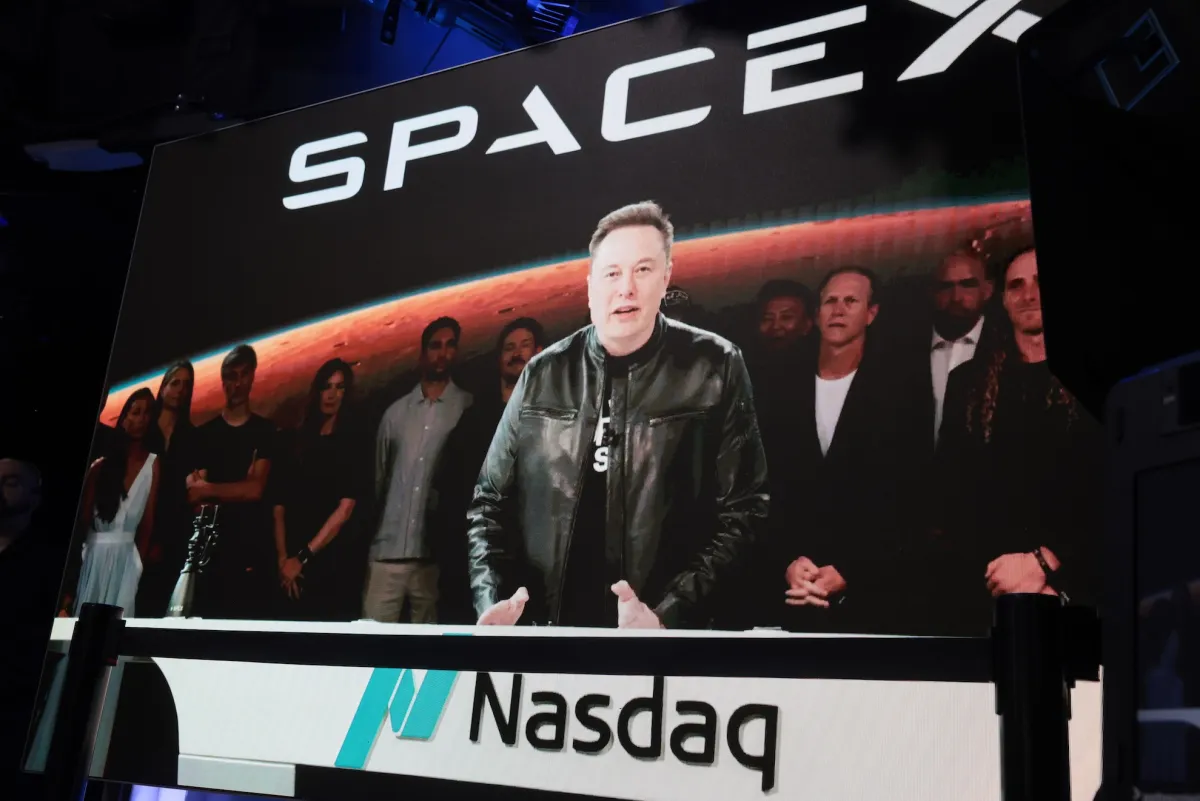
During a call discussing these financial results, CEO Elon Musk revealed that he is spending significant time in Memphis, TN, overseeing the launch of the Colossus II data center. He emphasized the importance of infrastructure in the development of superintelligence, stating, “The constraint on deployment of superintelligence is more in power and cooling and infrastructure than it is in chips.” He mentioned that a dedicated team of SpaceX engineers is addressing these challenges. Musk added that the capability to deploy the necessary infrastructure is significantly ahead of competitors, likening the disparity to “the New York Yankees playing in Little League.”
Musk expressed strong optimism regarding the future of SpaceX’s Super Intelligence division. He projected that the company’s annual recurring revenue could reach between $500 billion and $1 trillion by the end of 2027.
This is a developing story. Updates will follow as more information becomes available.
Editor’s Take
This shift in focus towards artificial intelligence signifies a critical transformation for SpaceX, positioning it as a formidable player in both the tech and AI landscapes. A successful pivot could inspire further innovations and investments across the industry, benefiting users and businesses eager for advanced solutions. As AI continues to evolve, the ripple effects of SpaceX’s strategies may redefine competition, emerging technologies, and operational standards globally.
Source: techcrunch.com