
U.S. Trade Group Targets Anbernic Over Piracy Concerns
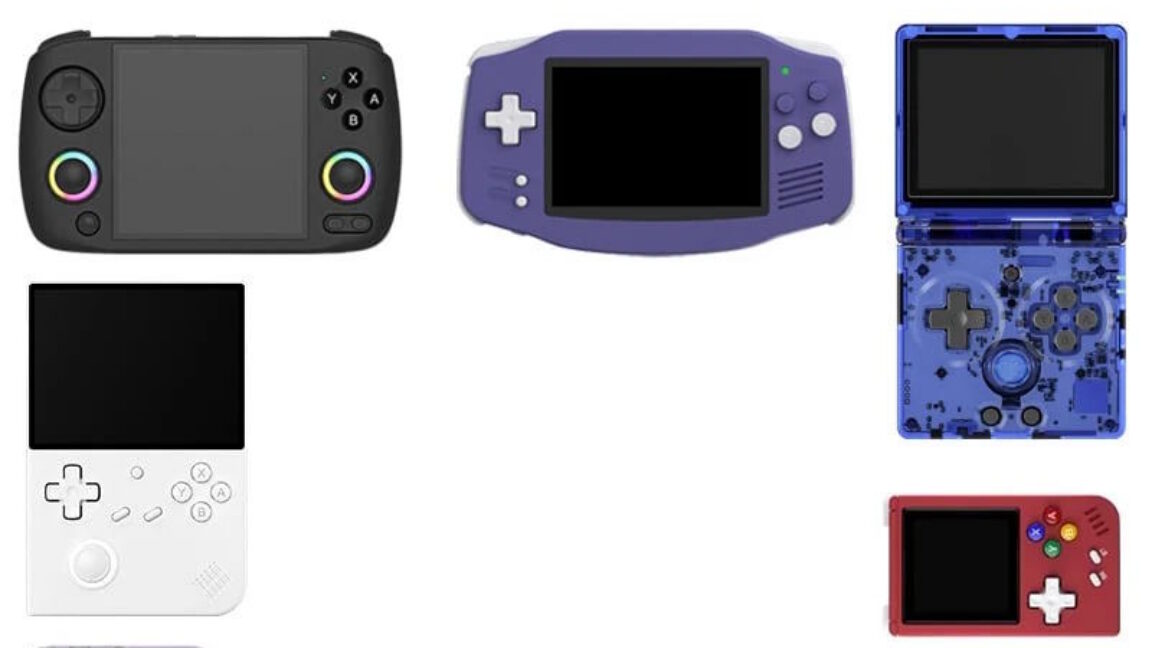
For several years, Chinese manufacturers have excelled in creating a niche market for handheld Android gaming devices, catering primarily to retro emulation and modern game streaming. Recently, however, the Entertainment Software Association (ESA), a prominent trade group in the gaming industry, has set its sights on one such manufacturer—Anbernic. The ESA is urging the U.S. Trade Representative (USTR) to add Anbernic to its list of “Notorious Markets,” which identifies entities involved in substantial copyright infringement and trademark counterfeiting.
As reported by TorrentFreak, this request was submitted to the USTR last week. The ESA represents major gaming publishers, including Nintendo, Microsoft, PlayStation, Amazon, Epic Games, Electronic Arts, Ubisoft, and others. In their statement, the ESA highlighted that Anbernic devices are often shipped or sold with removable memory cards preloaded with unauthorized copies of games owned by ESA members.
Although it’s common for various online retailers to bundle an SD card filled with ROMs alongside emulation hardware, reports suggest that Anbernic does not offer such products directly through its own website. Nevertheless, the ESA contends that the availability of these ROM-equipped Anbernic devices in regular retail settings normalizes hardware piracy by presenting illicit collections as legitimate consumer products. This, according to the ESA, qualifies Anbernic’s offerings as “superfakes,” a term used to describe high-quality counterfeit goods marketed on a commercial scale.
If Anbernic were added to the USTR’s Notorious Market List, it wouldn’t lead to immediate legal ramifications. However, inclusion on this list is intended to prompt authorities to intensify their efforts against piracy and counterfeiting. The USTR emphasizes that recognition on this list raises public awareness and aids in prioritizing intellectual property enforcement, ultimately protecting American businesses and workers. Furthermore, such a designation could potentially trigger a Section 301 investigation, paving the way for legal actions or restrictive controls on the importation of Anbernic devices.
Editor’s Take
This development signals a growing scrutiny of hardware that facilitates software piracy, reflecting broader trends in the gaming industry. For end-users, it may limit access to certain devices, while manufacturers could face stricter regulatory pressure. The outcome could reshape how businesses approach the balance between innovation and intellectual property rights, impacting developers and users alike.
Source: arstechnica.com