
Name: Wikipedia.
Age: 25.
Assessment: Often deemed patronizing and significantly biased.
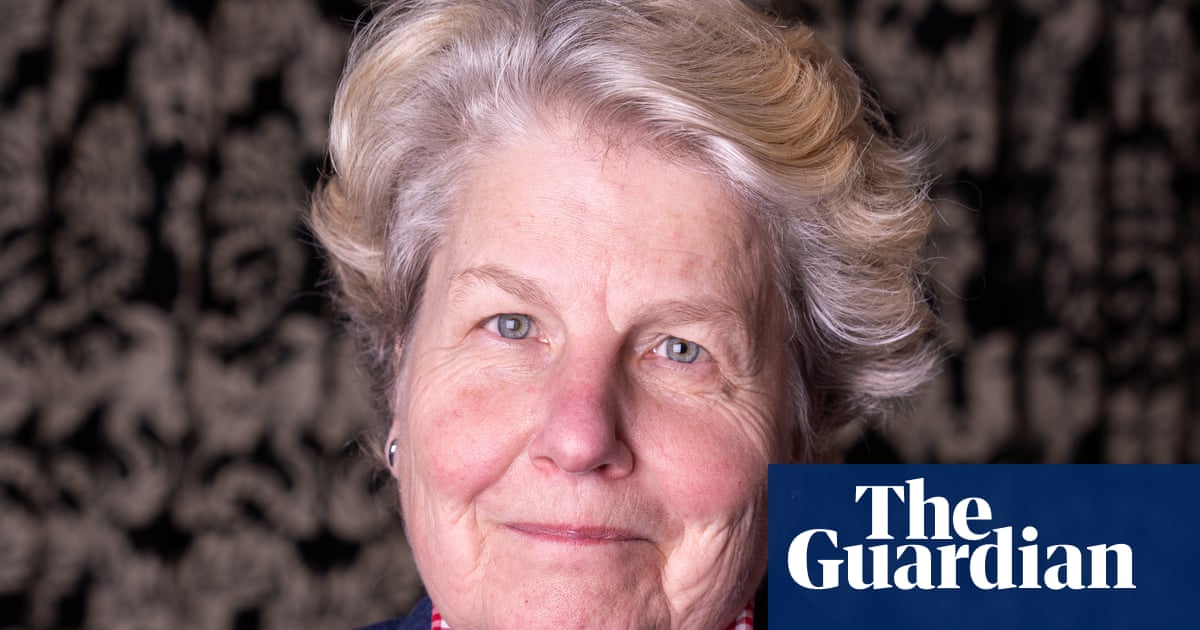
Reason for criticism: Well, that sentiment aligns with the views of Sandi Toksvig, who has expressed frustration regarding the platform’s representation.
And yet, it hosts over 65 million articles in more than 300 languages! It’s the largest repository of human knowledge ever created. True, but it notably falls short in its coverage of women.
According to Toksvig? Absolutely. She is currently on a global mission to secure funding for a more inclusive alternative.
Inclusive alternative? Yes. In collaboration with the University of Cambridge, her initiative, Mappa Mundi, aims to create an “interactive digital atlas” designed to preserve knowledge that has been overlooked or erased.
Is the knowledge being overlooked primarily about women? Indeed. She highlights the troubling case of Canadian physicist Donna Strickland, who faced repeated rejections from Wikipedia for her biographies until she was awarded a Nobel Prize.
That’s troubling. It extends beyond individual cases. The Wikimedia Foundation estimates that only 19% of Wikipedia biographies are dedicated to women. Toksvig attributes this imbalance to the demographic of contributors—predominantly “white, middle-aged, European men who have the necessary time and technology,” as she remarked at the Cheltenham Literature Festival.
I wasn’t aware of that. Furthermore, the site shows a bias toward wealthier nations. A 2013 study by the Oxford Internet Institute revealed that Wikipedia included more content about Germany than it did for both Africa and South America combined.
Isn’t Wikipedia also accused of being too left-wing? Indeed, a claim often voiced by Elon Musk, who has labeled it “Wokepedia” over recent years.
What has he done about it? He established his version—an AI-driven platform known as Grokipedia.
Is Grokipedia performing better? A recent paper indicated that articles on Grokipedia had a 13 times higher likelihood of citing sources that the English Wikipedia community has blacklisted.
What’s meant by a blacklisted source? During the study, it was noted that Grokipedia referenced the banned neo-Nazi site Stormfront 42 times.
Pivotal. Count me in for Mappa Mundi! Certainly. Toksvig’s initiative aims to curate and elevate content with positive intentions, potentially remedying Wikipedia’s oddly curated list of individuals who died on the toilet and ensuring more women are represented.
Do say: “Wikipedia exhibits systemic bias.”
Don’t say: “Finally, a point of agreement between Elon Musk and Sandi Toksvig.
Editor’s Take
Wikipedia’s structural biases have substantial implications for its users and the broader knowledge ecosystem. As initiatives like Mappa Mundi emerge, they could offer more balanced representations, potentially reshaping how knowledge is curated and accessed. This evolution calls into question the future of authoritative platforms in a digital age increasingly focused on inclusivity.
Source: www.theguardian.com