

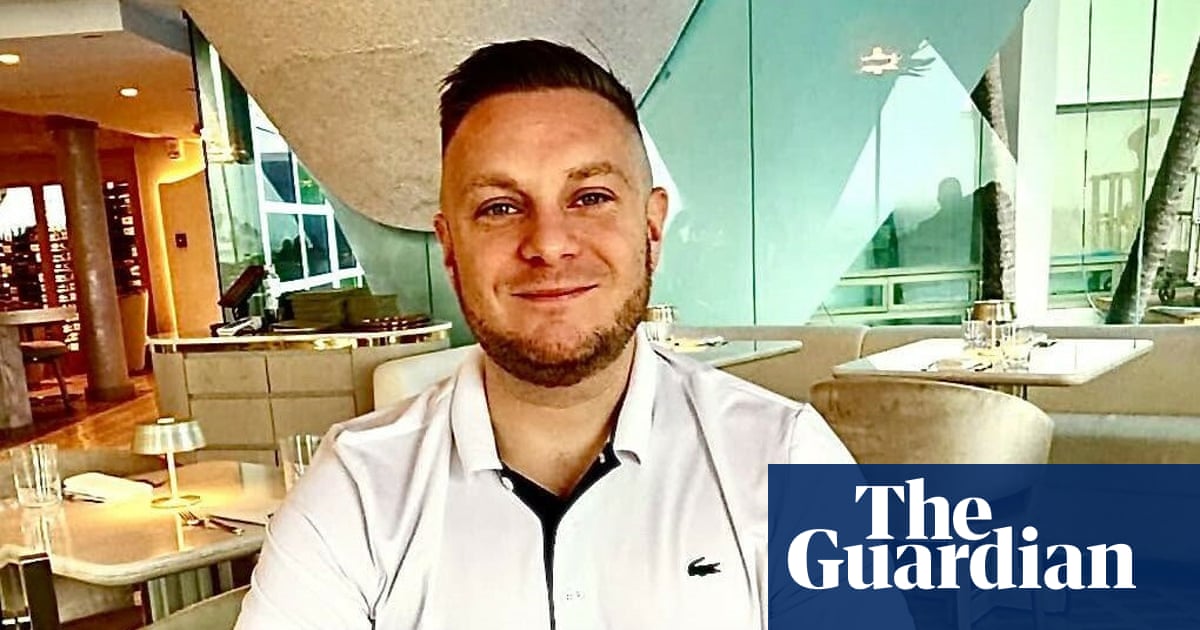
Recruitment Leader Allegedly Linked to Doxxing Campaign Against RNLI and Activists

The proprietor of a recruitment agency faces serious allegations of orchestrating a “doxxing” campaign targeting the Royal National Lifeboat Institution (RNLI), anti-racism activists, and business leaders engaged in recruiting individuals from black, Asian, and minority ethnic backgrounds.
Tom Watson, based in Worcester, is believed to be behind an X account dubbed “Big Time Charlie,” which was deactivated shortly after being identified by the advocacy group Hope Not Hate. The account amassed nearly 50,000 followers and had gained traction in recent weeks, amid harassment directed at RNLI staff by far-right activists over their role in rescuing individuals attempting to cross the Channel in small boats.
This account, known for its history of posting racist comments, reportedly utilized artificial intelligence to collect data from LinkedIn and other platforms, creating what it termed a “Traitorbase.” The account vanished almost immediately following Hope Not Hate’s claims regarding Watson’s involvement and after the Guardian reached out for his comments.
Similar to content found on Watson’s LinkedIn, the X account frequently expressed admiration for far-right member of parliament Rupert Lowe. It also claimed to have contributed £2,500 to Lowe’s Restore Britain party and became a member of its “Cromwell Club,” which is exclusive to certain donors.
Victims of the doxxing campaign shared their experiences with the Guardian, including Chantelle Lunt, a Green party councillor in Merseyside. Lunt, who has previously faced far-right targeting, reported the incident to the police after her personal details appeared online in connection with the account.
Lunt stated, “A person informed me that I had been doxxed; upon checking, I found details about me on a spreadsheet containing other individuals involved in Stand Up to Racism. The current climate is dreadful, and while I am accustomed to being targeted, there is heightened concern when such information is actively disseminated.”
A representative from a targeted charity remarked, “This incident underscores a calculated attempt to propagate misinformation that has regrettably gone unchecked on social media. It aims to create divisions and obstruct organizations dedicated to assisting vulnerable communities from operating effectively.” They stressed that addressing misinformation diverts resources from meaningful societal contributions.
Numerous businesses, both large and small, were also victims of doxxing through this account, which posted photographs and names of executives allegedly involved in the recruitment of minority ethnic employees.
One businessperson affected described their experience as “bizarre.” They noted, “Fortunately, it hasn’t escalated into any real issues, but it’s not something you expect to encounter. It’s a distinctly unpleasant act, particularly for someone operating their own business.”
Watson splits his time between the UK and the US and founded the recruitment firm Futura Energy Group, characterized as a specialized recruitment firm for companies in the AI sector. Archived records indicate that the Big Time Charlie account initially bore Tom Watson’s name, with various evidence linking him to it.
Regular references made by the account to locations like Puerto Rico, where Futura claims to operate, along with mentions of recruitment work in technical fields, further substantiate this link. On July 20, the account noted its presence in Zurich and shared a photo from the Vitznauerhof hotel. Two days later, Watson posted on his LinkedIn profile from Switzerland, including another photo from the same hotel.
Watson has been approached for further comments.
Editor’s Take
This situation raises crucial questions about accountability in the digital age. Doxxing not only endangers individuals but also stifles discourse around important social issues. The involvement of technology in disseminating misinformation highlights the need for stronger regulations on social media platforms. Users and businesses alike must be vigilant about their online presence and the potential ramifications of unchecked narratives.
Source: www.theguardian.com