

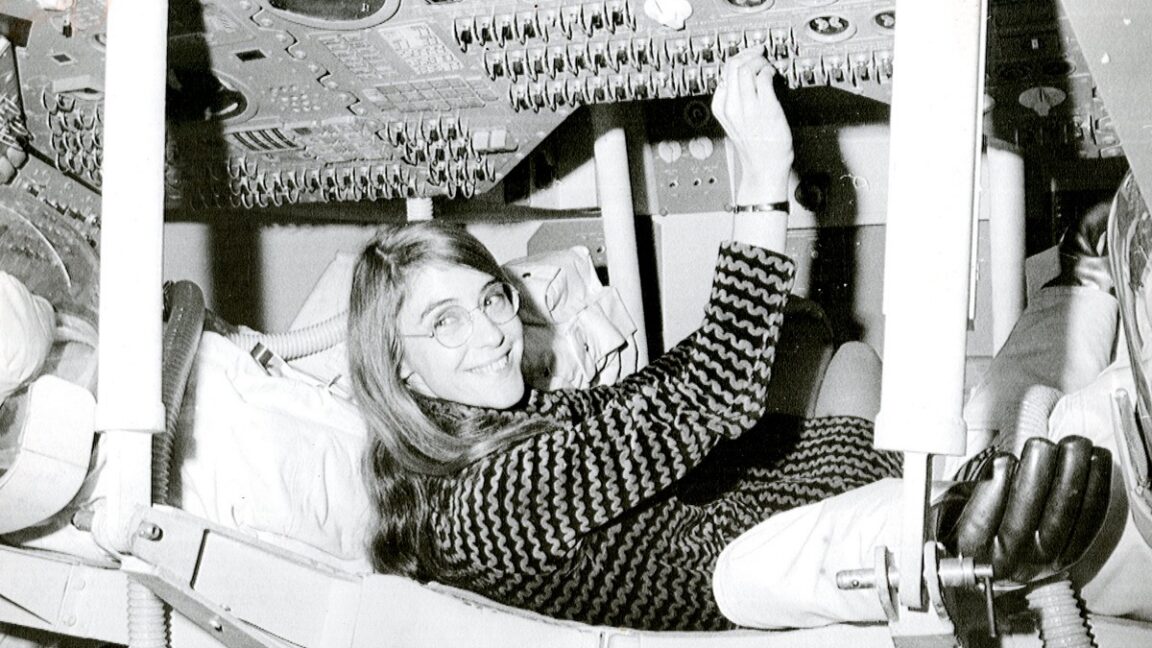

In an inspiring account of ingenuity and resilience, Margaret Hamilton, the renowned software engineer, played a critical role in the success of the Apollo space missions. Often bringing her 4-year-old daughter, Lauren, to the lab, Hamilton’s daughter’s innocent antics led to a revolutionary safeguard in space software development. During one visit, Lauren’s random button-pressing resulted in a system crash after she inadvertently initiated a pre-launch sequence. Although Hamilton alerted NASA about the need for a safeguard to prevent such mishaps during missions, her concerns were initially dismissed. This skepticism was put to the test during Apollo 8, when astronaut Jim Lovell faced a similar issue in the midst of the mission, resulting in lost navigational data. Hamilton was subsequently called upon to recover the data, humorously dubbing the error the “Lauren bug.”
By 1968, Hamilton had advanced to the position of assistant director overseeing the Command and Service Module team. Recognizing the potential for system overloads, she proposed adding a failsafe feature to the software’s “priority display” interface. This enhancement would ensure that the onboard guidance computer could effectively manage multiple tasks without compromising critical operations.
Credit:
Public domain
The significance of Hamilton’s work became evident during the iconic Apollo 11 mission in 1969. As the Eagle lunar module neared the Moon, astronaut Buzz Aldrin input code to display crucial information. Unexpected alarms from the onboard computer raised concerns about aborting the landing. Thanks to Hamilton’s foresight, the system successfully prioritized essential tasks, ensuring that the mission could continue. The alarm was a signal that the computer was managing its workload by prioritizing critical operations for a safe landing.
Reflecting on the mission later, Hamilton noted in a letter written in 1971 that the computer had been programmed to handle excess tasks intelligently. It could send alarms to indicate overload and take actions to recover from such conditions. Without this capability, she believed the success of Apollo 11 could have been jeopardized.
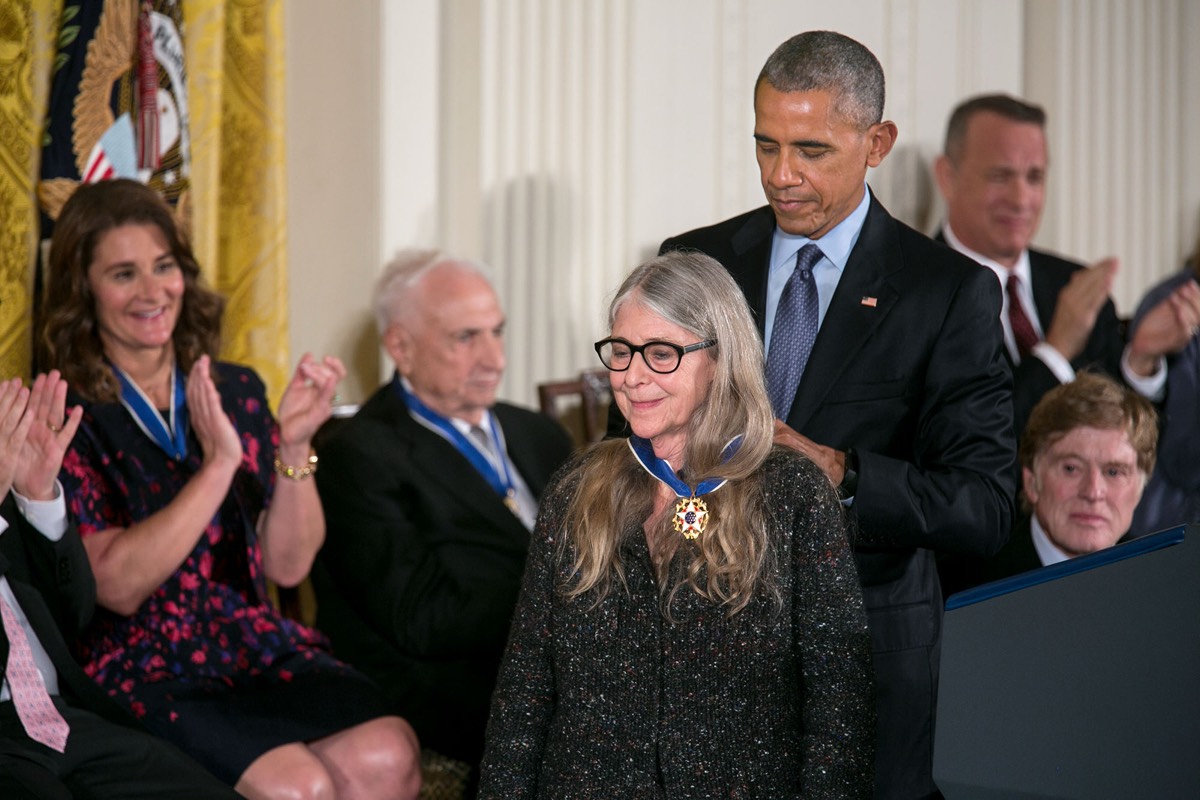
In 2015, the Apollo software that Hamilton played a pivotal role in developing was made available on GitHub. To honor the 50th anniversary of the Moon landing in 2019, Google orchestrated a remarkable event, where over 100,000 mirrors at its solar power farm in the Mojave Desert reflected moonlight to create a striking portrait of Hamilton.
Editor’s Take
This retrospective on Margaret Hamilton’s contributions highlights the critical intersection of software engineering and space exploration. Her work not only reflects the importance of rigorous software development but also serves as a reminder of the impact that individual innovators can have on groundbreaking missions. As we look toward the future of technology and exploration, Hamilton’s legacy prompts us to consider the ongoing need for adaptability and robustness in software systems.
Source: arstechnica.com