

Nvidia’s Shield TV Pro Sees $100 Price Increase Amid Surging Component Costs
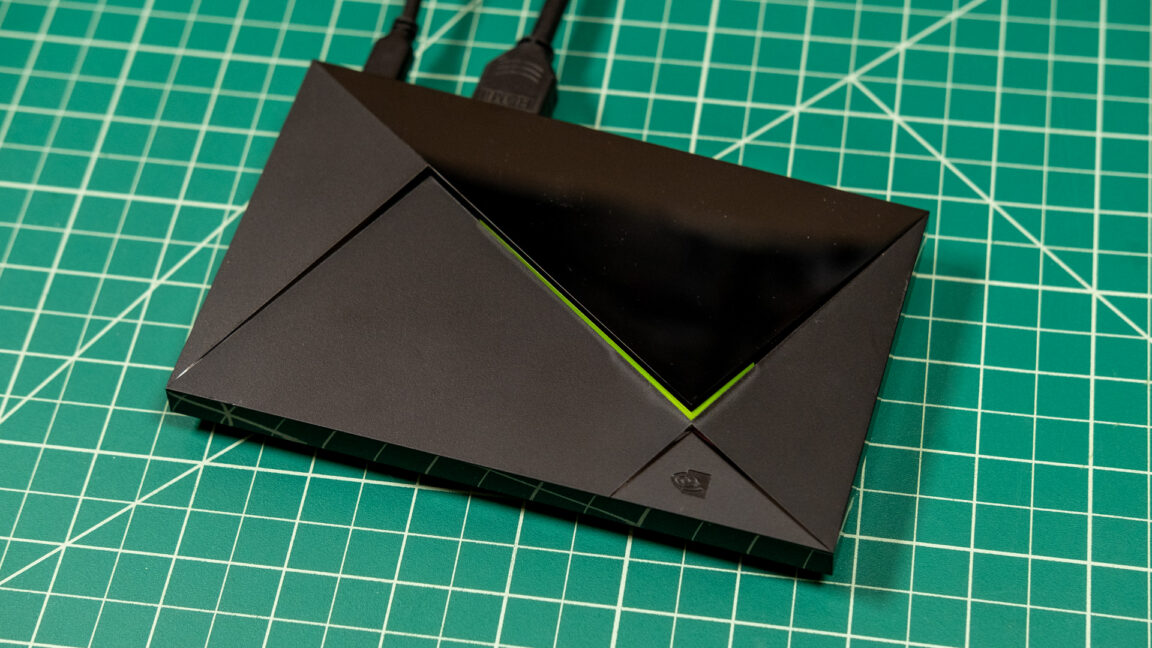
The rise of generative AI technologies has significantly impacted tech supply chains, resulting in a troubling trend: any device containing memory or storage is witnessing a price hike. This phenomenon is exemplified by the recent announcement from Nvidia, revealing that the Shield TV Pro will now cost an additional $100, bringing its new price to $299.99 effective immediately.
Originally launched in 2019, the latest version of the Shield streaming device operates on Android TV and features AI-driven upscaling alongside robust hardware decoding capabilities for a diverse range of media formats. Although equipped with the older Tegra X1+ processor, its performance remains competitive for a streaming device. The Shield TV Pro debuted at a retail price of $199.99, while its non-Pro variant was introduced at $149.99 before being discontinued.
Nvidia has directly linked this price increase to the rising costs associated with component manufacturing. “Starting October 2, SHIELD Pro will be priced at $299. The cost of components, including memory, has increased substantially across the industry,” a company spokesperson confirmed to Ars Technica.
During a prior conversation, Nvidia’s Andrew Bell characterized the Shield as a labor of love for the company. Yet, even passion projects must contend with financial realities. Bell indicated that Nvidia continues to produce and sell every unit of the Shield, but with diminishing stocks of older hardware, new units are now affected by the same supply chain challenges faced by modern smartphones and computers.
Editor’s Take
This price increase highlights the ongoing challenges facing the tech industry, particularly as supply chain constraints continue to affect costs. For consumers, this could mean higher prices for aging technology just as newer advancements in AI push the boundaries of possibilities. As developers and businesses adapt to these changes, it raises questions about the sustainability of tech investments in an era where AI is redefining performance benchmarks.
Source: arstechnica.com