

Google’s Project Suncatcher Prototype Satellite Successfully Launched into Orbit

Google’s Project Suncatcher Prototype Satellite Successfully Launched into Orbit
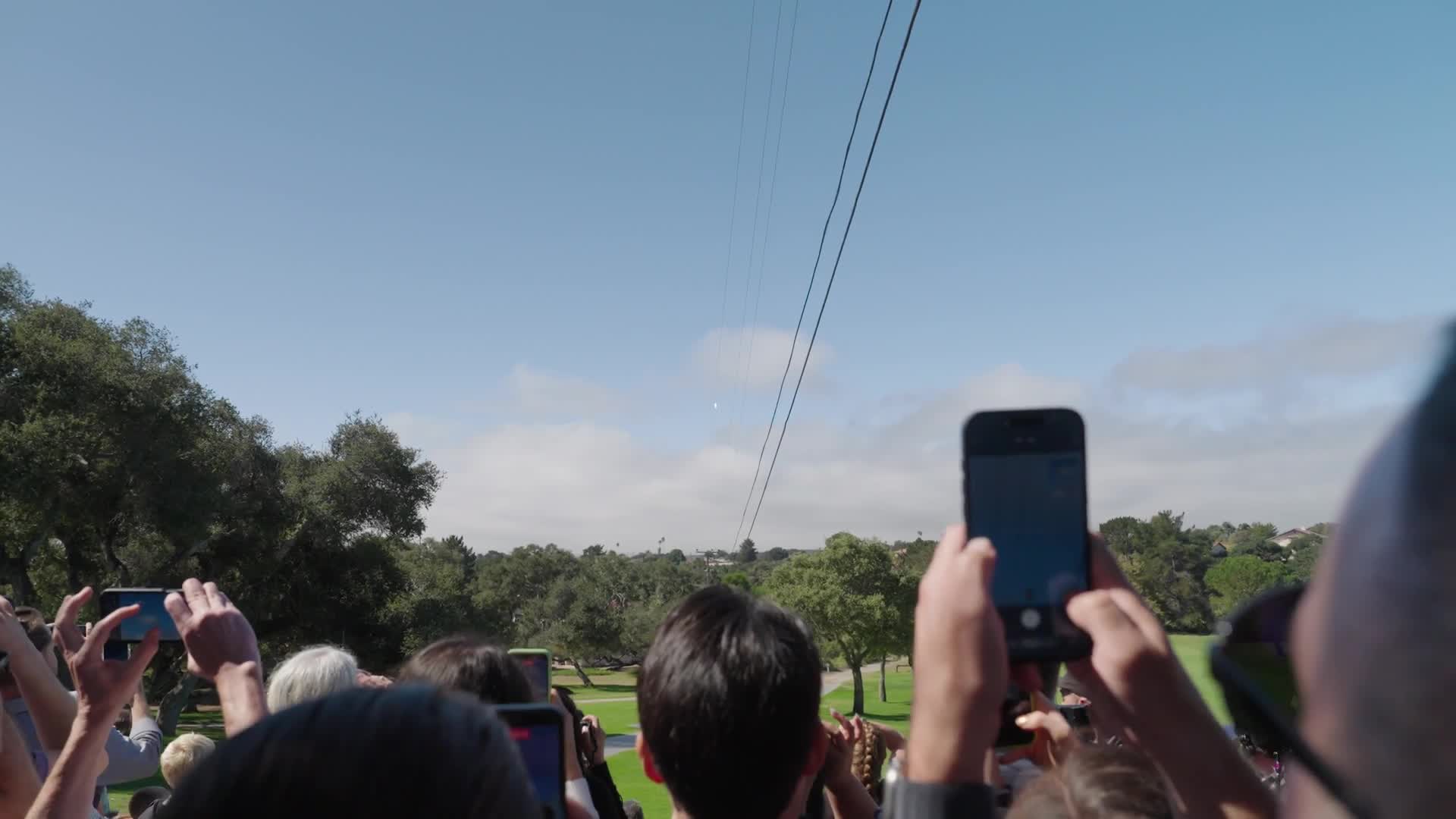
In a significant milestone for space-based machine learning research, Google’s prototype satellite for Project Suncatcher has been successfully launched into orbit. The satellite, designed in collaboration with the Earth-imaging firm Planet, was part of the Transporter-18 rideshare mission aboard a SpaceX Falcon 9 rocket.
The launch marks a pivotal step in a comprehensive long-term research initiative aimed at exploring the feasibility of establishing scalable machine learning infrastructure in space. Google’s team confirmed successful contact with the satellite shortly after its deployment, and initial reports indicate that it is functioning as expected.
What Project Suncatcher Entails
Project Suncatcher seeks to analyze how Google’s Tensor Processing Units (TPUs) can perform under the extreme conditions of spaceflight, including intense radiation and temperature fluctuations. Over the coming weeks, researchers will gather crucial data on the satellite’s performance, allowing them to refine their designs and enhance the robustness of future models.
The research methodology and findings are detailed in a peer-reviewed paper recently published in the journal Joule. This paper provides a comprehensive overview of the technological underpinnings of the mission and the planned experiments aimed at evaluating the TPUs’ capabilities in the unique environment of space.
Why This Matters
Testing machine learning systems in space may yield insights that are unattainable in terrestrial environments, potentially revolutionizing how algorithms process data across various applications. Google aims to leverage this mission’s findings to improve AI technologies both in space and on Earth, underscoring the interconnectedness of these realms.
As the mission unfolds, Google is expected to share additional insights and updates about the experiments being conducted. The data collected will not only inform enhancements to TPUs but could lead to broader applications in AI infrastructure in the future.
This ambitious project aligns with emerging trends in the tech sector, where companies are increasingly looking to harness space technology for enhancements in artificial intelligence. For those interested, this initiative echoes the capabilities offered by platforms to explore multiple AI tools in one place, enabling developers and researchers to work with various models that are optimized for different tasks.
As Google pushes the boundaries of what’s possible with satellite technology, the tech community will undoubtedly be watching closely, eager to see the insights that emerge from Project Suncatcher.