AI-Generated Images Raise Concerns for Election Integrity: How Can Voters Discern Truth?

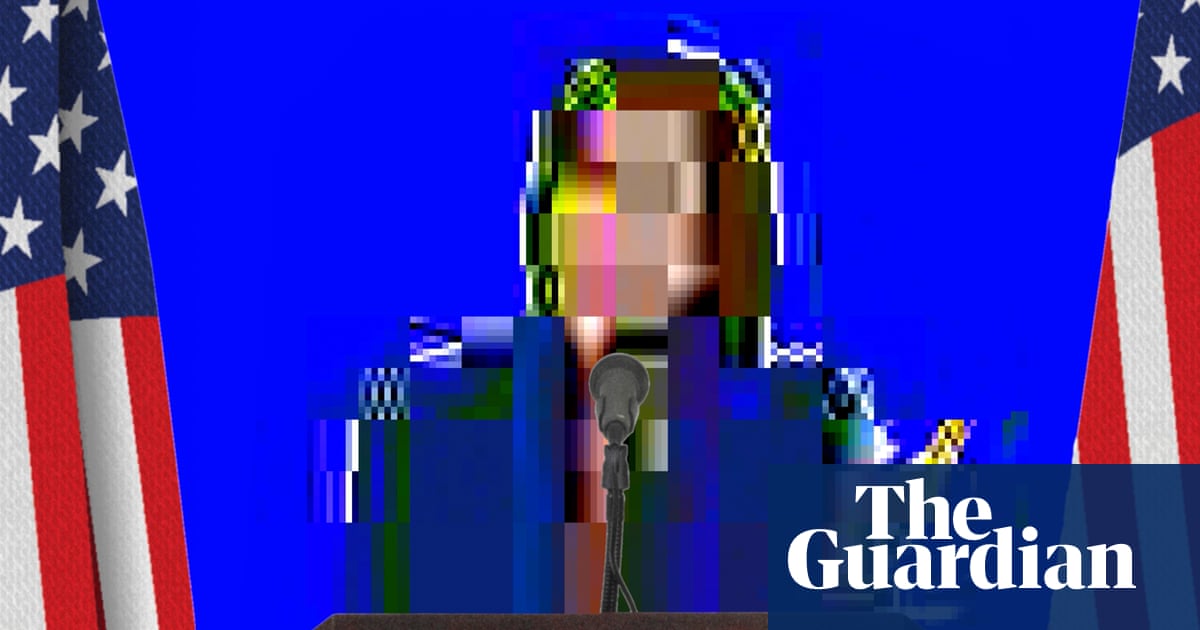
An image purportedly showing Bianca Motley Broom, the mayor of College Park, Georgia, sharing an intimate moment with a man who is not her husband has circulated widely across social media platforms, especially Facebook. Although the image has been identified as fake, it reached thousands before the misinformation was debunked.
Motley Broom expressed concern over the situation, stating, “It highlights a troubling aspect of our democracy and political dialogue. This also plays into outdated stereotypes about women in positions of power.” When she began her tenure six years ago, creating a doctored image required significant skill with photo-editing software. Now, a simple prompt to an AI image generator suffices.
The repercussions of deepfake technology and AI-driven misinformation have alarmed lawmakers, advocates, and the public alike. A recent survey conducted by Rad Campaign and Women Who Tech indicated that approximately 71% of respondents fear the impact of AI-generated disinformation on upcoming elections. Moreover, two-thirds of those surveyed expressed concern about AI’s role in sexualizing women.
According to Allyson Kapin, founder of Rad Campaign, “The results indicate that Americans are more worried about the implications of AI in deepfakes and election misinformation than its economic effects.”
The Trump administration has previously engaged with AI-generated images. For instance, in January, the White House shared a digitally altered photo of Nekima Levy Armstrong, who was arrested during a demonstration in Minnesota. The manipulation changed her appearance to show her as distraught.
Additionally, fake images of Zohran Mamdani, the mayor of New York, emerged from a parody account on X in February, purporting to depict him with Jeffrey Epstein. While Reuters utilized Google’s SynthID tool to debunk these images, they had already fueled conspiracy theories before this occurred.
Despite the widespread concern over deepfakes, apprehension regarding their use to sexualize individuals or sway elections has surged, overshadowing fears related to job displacement. “The public is deeply concerned,” added Kapin.
Fact from Fiction
In a video on Facebook, Raphael Warnock, a Democratic senator from Georgia, mentioned that he was recently depicted in deepfake images showing him in health distress and surrounded by grandchildren he does not have. He described these portrayals as amusing yet alarming.
“As these technologies evolve, distinguishing fact from fiction becomes increasingly challenging. There are bad actors aiming to mislead us,” Warnock remarked, highlighting the potential long-term effects on democracy, especially ahead of elections.
Warnock is part of a coalition of Senate Democrats organizing strategies to counter possible electoral misinformation. Key on their agenda is the challenge posed by misleading images and videos disseminated through social media.
Outgoing Republican Senator John Kennedy proposed a bill requiring AI companies to implement a “kill switch” to address rogue AI activity. However, his bill was blocked by Rand Paul of Kentucky, who deemed it too premature without further industry consultations.
Hakeem Jeffries, the Democratic House minority leader, called for urgent governmental action to regulate AI, emphasizing the necessity of “guardrails to protect citizens from nefarious actors,” labeling it a critical priority.
In discussions about AI regulation, state legislatures are grappling with bipartisan public backlash. Some regions, like Tennessee, have created laws such as the Elvis Act, aimed at shielding individuals from unauthorized AI-generated voice and image replication.
Most states mandate clear disclaimers when uses of AI alter the actions or images of political figures, though Georgia is notably lacking such regulations. Despite efforts to introduce deepfake protection bills for 2024 and 2025, no laws have yet been enacted.
Motley Broom suspects the deceitful image resulted from political enemies unhappy with her previous leadership roles, stating, “I am committed to advocating for my city and will not be intimidated by internet trolls.”
While she may pursue legal recourse under defamation laws, she acknowledged the complexities posed by First Amendment protections. “Such attacks should have consequences,” she emphasized. “I hope legislators consider the balance between First Amendment rights and an individual’s right against false accusations.” She concluded, “This is only the beginning.”
Editor’s Take
The prevalence of AI-generated misinformation poses significant challenges for democratic processes and societal trust. As the technology evolves, so does the potential for malicious use, particularly targeting public figures. The response from lawmakers indicates a growing recognition of these risks, underscoring the urgency for appropriate regulations. Balancing innovation with accountability will be crucial as we navigate this evolving landscape.
Source: www.theguardian.com