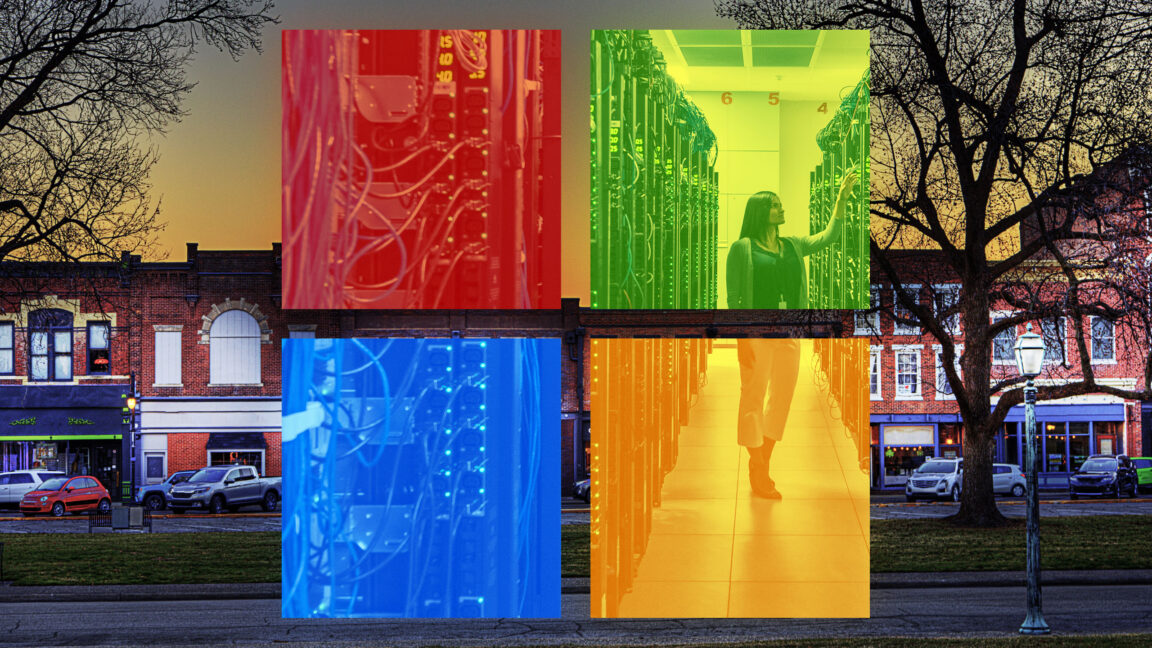

We Make Indiana, a grassroots organization, is actively engaging local officials to support a fair share agreement regarding the construction of a new Microsoft data center in Indiana. To gain traction, the group is leveraging plans proposed by a county economic development director that aims to establish a “tax increment financing” (TIF) district around the Microsoft site. While Microsoft has not openly endorsed the TIF plan, community members believe it could facilitate the company’s expansion and offer additional incentives.
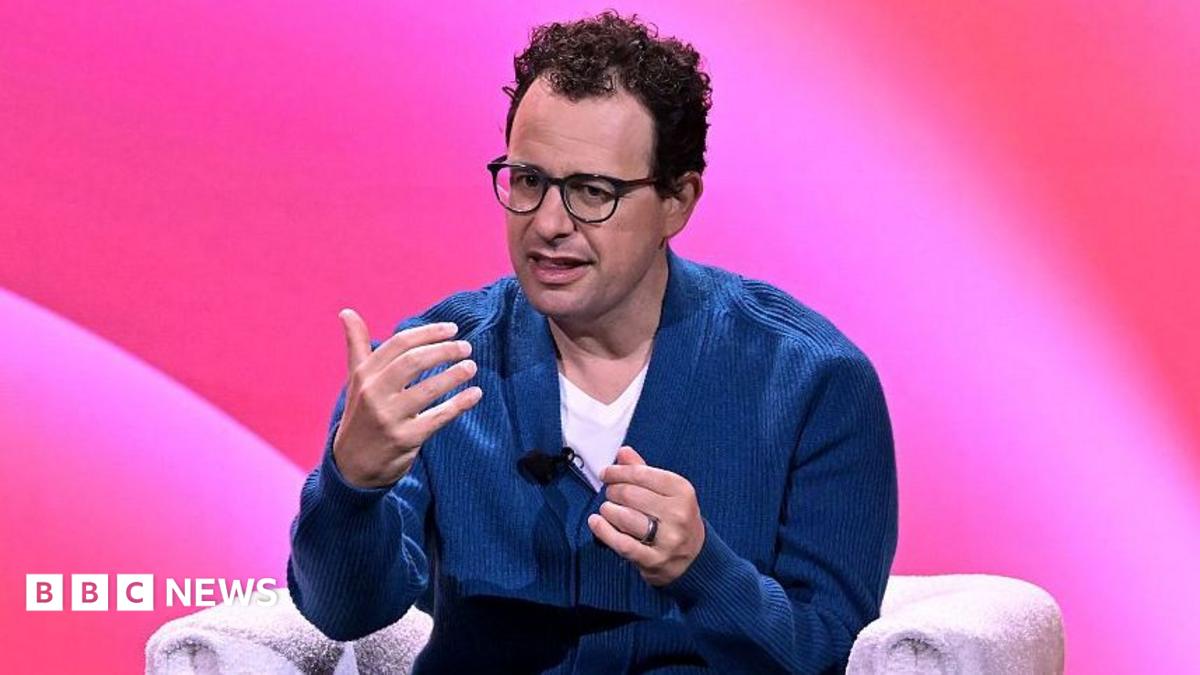
“We are exploring whether the TIF can be leveraged with Microsoft, advocating for a message like ‘No TIF without a Fair Share,’” stated Stoner, a representative from We Make Indiana.
However, Microsoft has expressed skepticism about We Make Indiana’s claim to represent the entire community. Contrarily, Stoner insists that addressing broader community issues is central to their mission. The fair share agreement’s formation involved extensive discussions with community leaders, faith groups, and local residents to clarify their demands.
Members of the group hold varied opinions on artificial intelligence, with some opposing it outright, while others remain neutral. Yet, We Make Indiana has already achieved significant success; a proposed data center from Meta was halted after the organization rallied hundreds to sway local authorities to reject the proposal at a lengthy public meeting.
The conflict surrounding Microsoft is not aimed at halting the data center’s construction, scheduled to begin this fall and operational by 2029. Instead, the focus is on ensuring environmental sustainability and equitable community investment, as highlighted by Stoner.
“We seek development that does not jeopardize our environment and electricity costs, and that invests fairly,” he elaborated.
We Make Indiana may be more influential than Microsoft perceives, as Stoner noted the group has been organizing since 2024, drawing on initiatives from a previous group founded in 2018 called Faith in Indiana. This experience has enabled them to garner bipartisan support for their policy initiatives. Engaging with corporate entities like Microsoft marks a new frontier for the organization, which stands ready to mobilize its faith community supporters if the tech giant remains unresponsive.
“This is fundamentally a question of power: Do they need to engage with us, or do they believe they can operate independently?” Stoner questioned.
Stoner further criticizes the practice of granting tax incentives to AI firms while simultaneously cutting funding for public services like transportation and childcare, arguing that such policies disproportionately benefit wealthy corporations at the expense of low-income citizens. Looking forward, he aims to advocate for the elimination of sales tax exemptions in the state and hopes that the fair share agreement becomes a pivotal topic in the upcoming fall elections.
Editor’s Take
This situation underscores a critical interplay between community advocacy and corporate interests in the tech industry. As Microsoft moves forward with its data center, the push for a fair share agreement highlights the importance of ensuring equitable investment in local resources. For users and developers alike, outcomes here could set precedents for how tech companies engage with communities, particularly regarding environmental and social responsibilities.
Source: arstechnica.com