
Credit:
Andrew Harnik/Getty Images
The recent congressional hearings surrounding the Smithsonian have sparked fierce debate and intense backlash against the administration. Notably, David Blight, a prominent historian from Yale, drew a provocative comparison, likening the White House’s criticisms of the Smithsonian to tactics used by the Nazi regime. He remarked that the administration’s approach might echo the propaganda strategies of Joseph Goebbels, who aimed to exert control over cultural institutions.
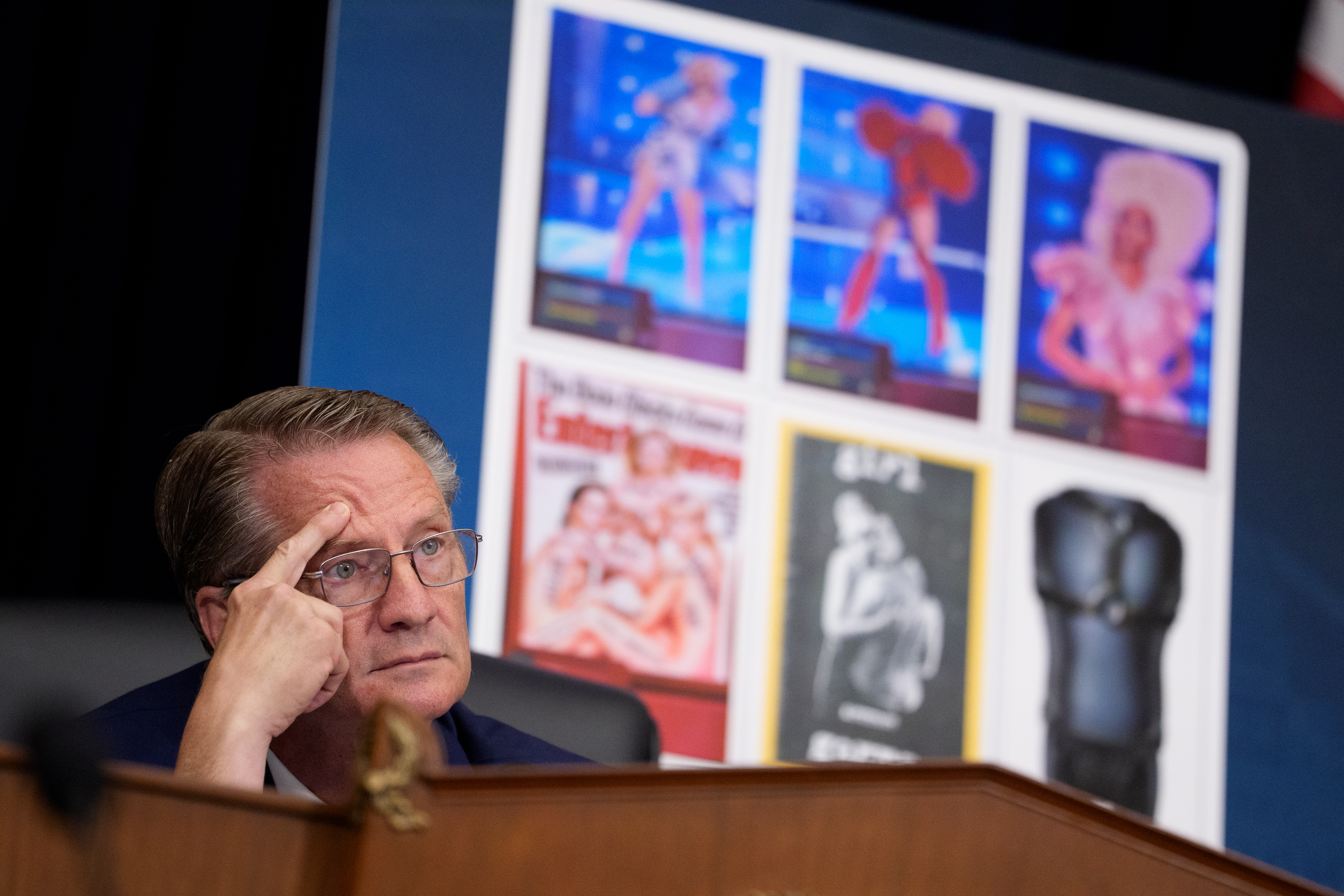
During the proceedings, Rep. Jasmine Crockett, a Democrat from Texas, opened with a sharp retort, dubbing the situation the “White Pride Committee.” Meanwhile, Rep. Kweisi Mfume, a Democrat from Maryland, expressed unwavering support for the Smithsonian, declaring, “We will not let you destroy that museum.” His impassioned pledge underscored the emotional stakes involved, vowing to protect the institution “no matter how long it takes.”
The subsequent hearing, convened by the House Administration Committee, reiterated the ongoing strife, revealing a fractured bipartisan consensus regarding the Smithsonian’s future.
Amidst this political tumult, visitors continue to flock to the Smithsonian’s iconic exhibits. One of the highlights is the enormous Star-Spangled Banner, the historical flag that inspired Francis Scott Key to pen the national anthem. Displayed under dim lighting to preserve its integrity, the flag elicits awe and reverence from visitors. As one attendee remarked, “Oh my God, it’s huge,” highlighting the profound impact it has on those who see it.
Yet, while the museum continues to inspire and educate, its quest for a clear identity has made it a focal point for political criticism. Currently, there are three vacancies among the nine citizen positions on the Board of Regents. The decisions made by the remaining board members, including Chief Justice John Roberts, will have significant implications for the institution’s trajectory, particularly with the impending replacement of Lonnie Bunch as secretary.
Editor’s Take
This ongoing conflict over the Smithsonian highlights the deepening divisions in the political landscape, particularly concerning cultural institutions. The implications of this struggle could reshape how museums engage with history and identity. For users and businesses alike, this situation reflects broader trends in cultural narratives, affecting public perceptions and educational priorities.
Source: arstechnica.com