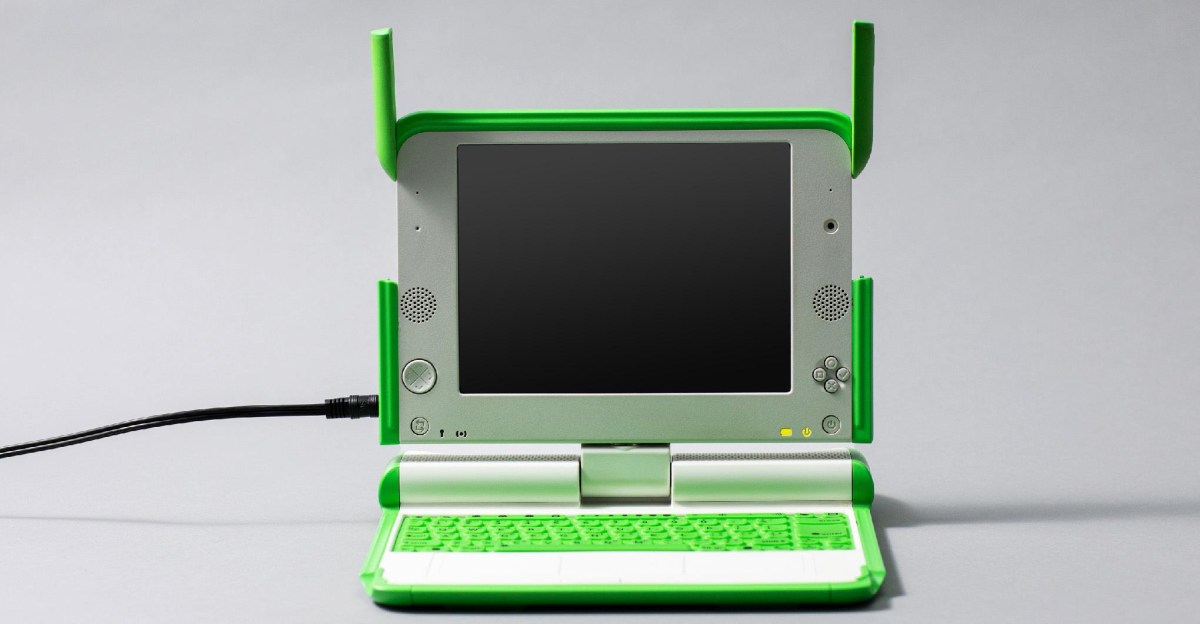

The ambition was monumental: envisioning a world where every child has a computer at their fingertips. This vision captivated many leaders in Silicon Valley, who believed that if all children could access technology, many global issues could be resolved. However, the One Laptop Per Child (OLPC) initiative, along with its hallmark product, the XO-1 laptop, revealed complexities that were often underestimated.
In the latest episode of Version History, host David Pierce discusses the shortcomings of the OLPC project with Adi Robertson from The Verge and noted tech journalist David Imel. They explore why the initiative failed to achieve its goals, examine the innovative design of the XO-1, and ponder whether such computer donation programs can find success in the future.
As we reach the midpoint of the fifth season of Version History, the series has been delving into the influential technological innovations in education. If you missed earlier episodes featuring insights from the lead game designer of Oregon Trail or the fondness that Nilay Patel of The Verge has for his TI-82 graphing calculator, those discussions are also worth a listen.
For those interested in diving deeper into the history of OLPC, we have prepared resources to help you explore further.
Editor’s Take
The story of OLPC serves as a crucial lesson in the intersection of technology and education. While the aspiration to provide every child with a computer is commendable, this case highlights the importance of practical implementation and contextual understanding. For tech companies and developers, it underscores the need to consider local conditions and user needs when creating educational tools, ensuring that technology serves as a bridge rather than a barrier.
Source: www.theverge.com